Cartilage
Cartilage is a vital connective tissue found throughout the body, playing a crucial role in joint function and structural support. This article explores its composition, diverse types, essential functions, and how the body responds to its damage.
Key Takeaways
- Cartilage is a flexible connective tissue essential for smooth joint movement and structural support.
- There are three main types: hyaline, elastic, and fibrocartilage, each with distinct properties and locations.
- It lacks blood vessels and nerves, which significantly limits its ability to self-repair.
- Damage can result from injury, overuse, or degenerative conditions like osteoarthritis, leading to pain and reduced mobility.
- Natural healing is limited, often requiring medical intervention for significant damage.
What is Cartilage and Its Functions?
Cartilage is a resilient and flexible connective tissue found in various parts of the body, including joints, the ear, nose, and respiratory tract. Unlike other connective tissues, it is avascular (lacks blood vessels), aneural (lacks nerves), and alymphatic (lacks lymphatic vessels). Its primary functions involve providing support, enabling smooth movement between bones, absorbing shock, and maintaining the shape of certain body structures.
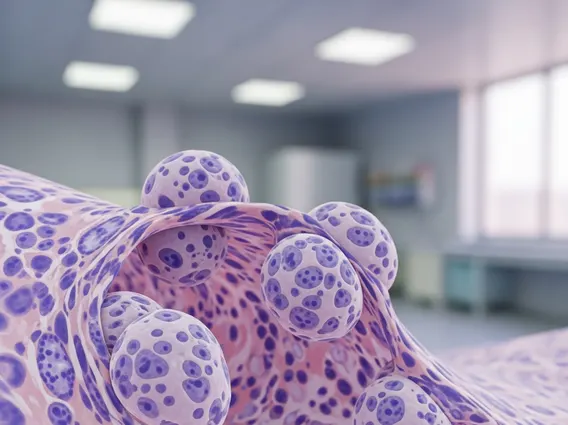
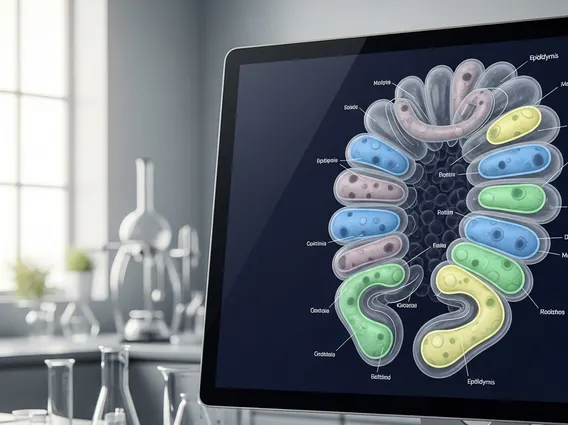
This specialized tissue is composed of cells called chondrocytes, which are embedded in an extracellular matrix rich in collagen and elastic fibers, as well as a ground substance containing proteoglycans. These components give cartilage its unique properties of strength, elasticity, and resistance to compression. In joints, cartilage reduces friction between bones, allowing for effortless motion and distributing mechanical loads evenly across the joint surface.
Types of Cartilage in the Human Body
The human body contains three primary types of cartilage in the human body, each adapted for specific roles based on its composition and mechanical properties. These types differ mainly in the proportion of collagen and elastic fibers within their extracellular matrix.
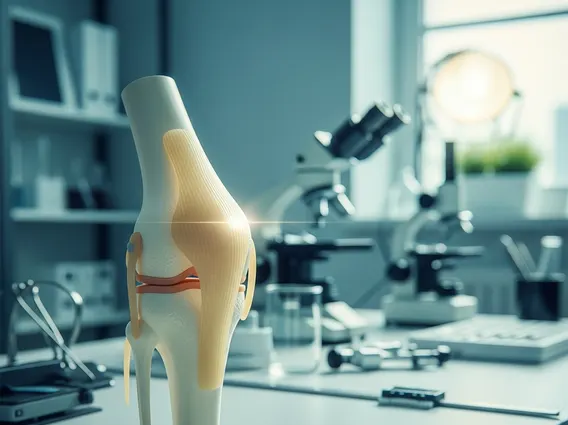
- Hyaline Cartilage: This is the most common type, found in the articular surfaces of joints (e.g., knees, hips), the nose, trachea, larynx, and the ends of ribs. It provides smooth, low-friction surfaces for joint movement and structural support. Its matrix contains fine collagen fibers, making it strong yet flexible.
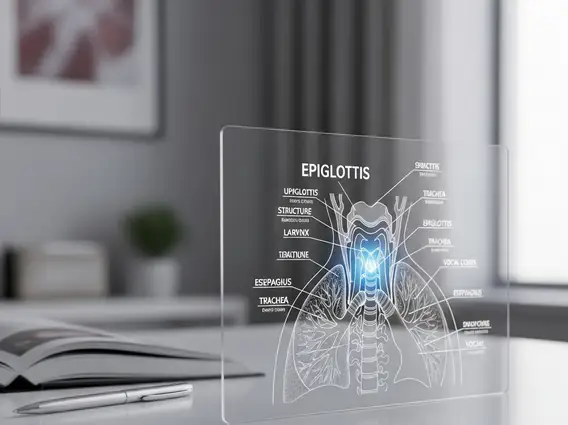
- Elastic Cartilage: Characterized by a high concentration of elastic fibers, this type offers greater flexibility and elasticity than hyaline cartilage. It is found in structures requiring significant bending and shape retention, such as the external ear (pinna), epiglottis, and parts of the larynx.
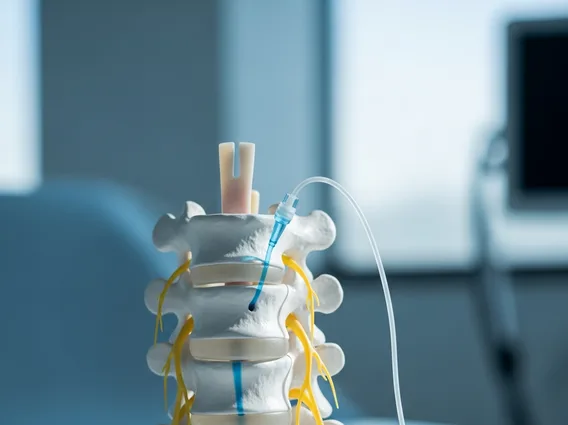
- Fibrocartilage: The strongest and most rigid type, fibrocartilage contains thick bundles of collagen fibers, giving it high tensile strength and resistance to compression. It is typically found in areas subjected to heavy stress, such as the intervertebral discs of the spine, the menisci of the knee, and the pubic symphysis. It acts as a shock absorber and provides robust support.
Cartilage Damage: Symptoms, Causes, and Natural Healing
Cartilage damage symptoms and causes vary depending on the location and severity of the injury. Common symptoms include joint pain, swelling, stiffness, a grinding or clicking sensation (crepitus) during movement, and reduced range of motion. In severe cases, the joint may lock or give way.
Causes of cartilage damage are diverse and can include acute injuries from sudden trauma, repetitive stress from overuse, and degenerative conditions like osteoarthritis, which involves the progressive breakdown of articular cartilage over time. Inflammatory conditions and certain genetic factors can also contribute to cartilage degradation.
Regarding cartilage’s natural healing capacity, the ability for self-repair is extremely limited. Because cartilage lacks a direct blood supply, it cannot readily receive the nutrients and immune cells necessary for significant repair. Small, superficial injuries might heal partially through fibrous tissue formation, but this new tissue is often inferior in quality to the original cartilage and less effective at bearing weight and absorbing shock. Larger or deeper defects typically do not heal on their own, leading to chronic pain and further joint degeneration if left untreated. Medical interventions, ranging from physical therapy to surgical procedures like microfracture or cartilage transplantation, are often necessary to manage symptoms and improve joint function.