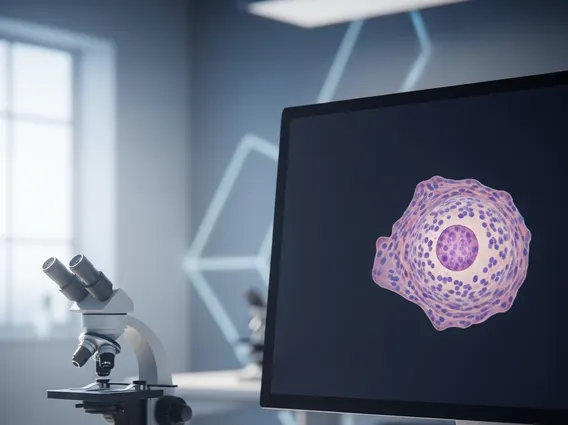
Key Takeaways
- Squamous Cell Carcinoma is the second most common type of skin cancer, primarily linked to UV exposure.
- Early detection is crucial, as symptoms often include persistent red, scaly patches, open sores, or elevated growths.
- Causes of squamous cell carcinoma are predominantly UV radiation, but also include genetic factors and a weakened immune system.
- Squamous cell carcinoma treatment options range from surgical removal (like Mohs surgery) to non-surgical methods such as radiation or topical therapies.
- Squamous cell carcinoma prevention involves consistent sun protection and regular skin self-exams, leading to an excellent squamous cell carcinoma prognosis when detected early.
What is Squamous Cell Carcinoma?
Squamous Cell Carcinoma (SCC) is a common form of skin cancer that develops in the squamous cells, which are flat, scale-like cells found in the middle and outer layers of the skin. It is the second most common type of skin cancer, after basal cell carcinoma, and is primarily caused by prolonged exposure to ultraviolet (UV) radiation from the sun or tanning beds. Understanding what is squamous cell carcinoma involves recognizing it as an uncontrolled growth of abnormal cells that can appear on any part of the body, though it is most frequent on sun-exposed areas like the face, ears, neck, hands, and arms. While generally not life-threatening when caught early, SCC has a greater potential than basal cell carcinoma to spread to other parts of the body if left untreated.
Understanding SCC Types
The presentation of types of squamous cell carcinoma can vary, influencing both diagnosis and treatment. Most SCCs are invasive, meaning the abnormal cells have grown beyond the epidermis into deeper skin layers. However, some may start as a pre-cancerous lesion called actinic keratosis, which can progress to SCC over time. Another form is SCC in situ, also known as Bowen’s disease, where the cancer cells are confined to the outermost layer of the skin and have not yet invaded deeper tissues. Rarer variants include verrucous carcinoma, a slow-growing type that resembles a large wart, and keratoacanthoma, which grows rapidly and then may spontaneously regress, though it is often treated as SCC due to its similar appearance and potential for aggressive behavior. The specific type often dictates the urgency and approach of treatment.
Causes and Risk Factors for SCC
The primary driver behind the development of Squamous Cell Carcinoma is cumulative exposure to ultraviolet (UV) radiation. This includes sunlight and artificial sources like tanning beds, which damage the DNA in skin cells, leading to uncontrolled cell growth. However, several other factors contribute to the causes of squamous cell carcinoma, making certain individuals more susceptible. These risk factors can be broadly categorized into environmental and genetic influences, often working in combination to increase the likelihood of developing SCC. Recognizing these factors is crucial for effective prevention and early detection strategies.
Environmental and Genetic Influences
Environmental factors play a significant role in the etiology of SCC. Chronic sun exposure is the most prominent, particularly for individuals with a history of severe sunburns. Other environmental contributors include exposure to certain chemicals, such as arsenic, and radiation therapy. Human papillomavirus (HPV) infection, particularly certain high-risk strains, has also been linked to SCC in specific areas, such as the genital region. Genetically, individuals with fair skin, light hair, and blue or green eyes are at a higher risk due to less protective melanin. A weakened immune system, often seen in organ transplant recipients or those with HIV/AIDS, significantly increases susceptibility. Genetic syndromes like xeroderma pigmentosum also predispose individuals to SCC due to impaired DNA repair mechanisms. Age is another factor, as the risk of SCC increases with cumulative sun exposure over a lifetime.
Recognizing Squamous Cell Carcinoma Symptoms
Identifying Squamous Cell Carcinoma symptoms early is vital for effective treatment and a positive prognosis. SCC often manifests on sun-exposed areas of the body, such as the face, ears, neck, scalp, lips, and hands. Common signs include a persistent red, scaly patch that may crust or bleed, an open sore that doesn’t heal, or a raised growth with a central depression. These lesions can sometimes be tender or itchy. Unlike some other skin conditions, SCC lesions typically persist and may grow larger over time. They can also appear as wart-like growths or firm, red nodules. Any new or changing skin lesion, especially one that is non-healing, should prompt medical evaluation to rule out SCC or other forms of skin cancer.
When to Seek Medical Attention
Prompt medical attention is crucial if you notice any suspicious skin changes. You should seek a dermatologist’s opinion if you observe any of the following: a new skin growth that is growing rapidly, a sore that does not heal within two weeks, a persistent red or scaly patch that bleeds or crusts, or any mole or lesion that changes in size, shape, color, or texture. Regular self-skin exams are recommended to become familiar with your skin and detect any abnormalities early. According to the American Academy of Dermatology, early detection of SCC significantly improves treatment outcomes and reduces the risk of the cancer spreading. Do not delay in consulting a healthcare professional if you have concerns, as timely diagnosis is a key factor in successful management.
Squamous Cell Carcinoma Treatment Options
Effective Squamous Cell Carcinoma treatment options are available, with the choice depending on several factors including the size, location, and aggressiveness of the tumor, as well as the patient’s overall health. The primary goal of treatment is to completely remove or destroy the cancerous cells while minimizing damage to surrounding healthy tissue. When detected and treated early, the cure rate for SCC is very high, often exceeding 95%, according to the American Cancer Society. Treatment approaches can be broadly categorized into surgical and non-surgical methods, each with specific indications and benefits.
Surgical and Non-Surgical Approaches
Surgical removal is the most common and effective treatment for SCC. Excisional surgery involves cutting out the tumor along with a small margin of healthy tissue. For more complex or recurrent tumors, Mohs micrographic surgery is often recommended. This specialized procedure involves removing the cancer layer by layer and examining each layer under a microscope until no cancer cells remain, preserving as much healthy tissue as possible and boasting a high cure rate. Other surgical methods include curettage and electrodesiccation, where the cancer is scraped off and the base is burned with an electric needle. Non-surgical approaches include radiation therapy, which uses high-energy beams to destroy cancer cells, often used for tumors that are difficult to remove surgically or for patients who are not candidates for surgery. Topical chemotherapy (e.g., 5-fluorouracil cream) can be used for very superficial SCCs, while photodynamic therapy involves applying a light-sensitizing drug to the skin, followed by exposure to a special light to destroy cancer cells. For advanced or metastatic SCC, systemic therapies like targeted drugs or immunotherapy may be considered.
Prevention and Prognosis of SCC
Effective Squamous Cell Carcinoma prevention strategies are crucial given that the majority of cases are linked to UV radiation exposure. Adopting sun-safe behaviors significantly reduces the risk of developing this common skin cancer. Regular skin self-exams and professional dermatological check-ups are also vital for early detection, which is key to a favorable outcome. The squamous cell carcinoma prognosis is generally excellent when the cancer is identified and treated in its early stages. However, prognosis can vary based on factors such as tumor size, depth of invasion, location, the patient’s immune status, and whether the cancer has spread.
Reducing Your Risk
Reducing your risk of SCC primarily involves diligent sun protection. This includes seeking shade, especially during peak sun hours (10 a.m. to 4 p.m.), wearing protective clothing such as long-sleeved shirts, pants, and wide-brimmed hats, and regularly applying broad-spectrum sunscreen with an SPF of 30 or higher. The Skin Cancer Foundation states that consistent use of sunscreen can reduce the risk of SCC by about 40%. Avoiding tanning beds and sunlamps is also critical, as they emit harmful UV radiation. Additionally, individuals with a history of SCC or significant risk factors should undergo regular skin examinations by a dermatologist to monitor for new or recurrent lesions. Early detection through these measures dramatically improves the chances of successful treatment and a positive long-term outlook.
Squamous Cell Carcinoma FAQs
While Squamous Cell Carcinoma is generally localized and highly curable when detected early, it does have the potential to metastasize (spread) to lymph nodes and distant organs if left untreated. This risk is higher for larger, deeper, or recurrent tumors, as well as for SCCs located on certain high-risk areas like the lips, ears, or in individuals with weakened immune systems. Regular self-exams and prompt medical evaluation of suspicious lesions are crucial to prevent potential spread and ensure a positive prognosis.
The frequency of skin checks for Squamous Cell Carcinoma depends on individual risk factors. For the general population, annual professional skin exams are often recommended, especially if you have a history of significant sun exposure or multiple moles. Individuals with a personal history of skin cancer, a strong family history, or a weakened immune system may require more frequent check-ups, typically every 3-6 months. Regular self-skin exams at home, performed monthly, are also highly encouraged to detect any new or changing lesions between professional visits.
While the vast majority of Squamous Cell Carcinoma cases are directly linked to chronic ultraviolet (UV) radiation exposure from the sun or tanning beds, it is not the sole cause. Other factors can contribute, including exposure to certain chemicals (like arsenic), radiation therapy, chronic non-healing wounds, and certain types of human papillomavirus (HPV) infection. Individuals with weakened immune systems or specific genetic predispositions may also develop SCC with less UV exposure. Therefore, while sun protection is paramount, other risk factors should also be considered.