Key Takeaways
- A bowel obstruction is a medical emergency requiring prompt attention due to the risk of serious complications.
- Common symptoms include severe abdominal pain, vomiting, bloating, and inability to pass gas or stool.
- Causes range from adhesions and hernias to inflammatory conditions and, significantly, cancer.
- Diagnosis involves physical examination and imaging, with treatment often requiring hospitalization for conservative management or surgery.
- Recovery involves careful dietary adjustments and monitoring to prevent recurrence.
What is a Bowel Obstruction?
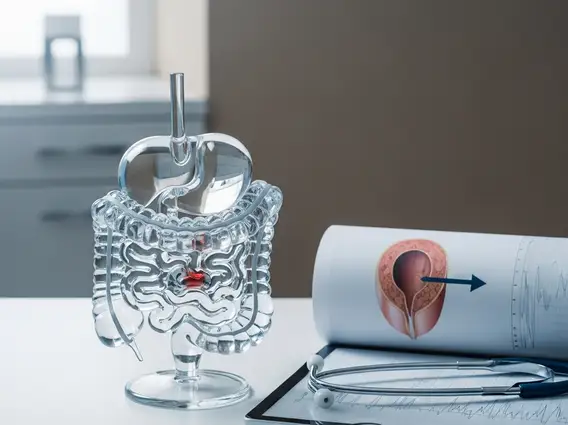
A bowel obstruction occurs when there is a partial or complete blockage in either the small or large intestine, impeding the normal flow of intestinal contents. This condition can rapidly become life-threatening if not addressed, as the trapped material can lead to increased pressure, reduced blood flow to the affected bowel segment, and potentially rupture.
Types of Intestinal Blockages
Intestinal blockages are broadly categorized into two main types:
- Mechanical Obstruction: This type involves a physical barrier that blocks the intestine. Common mechanical causes include adhesions (scar tissue from previous surgery), hernias, tumors, inflammatory bowel disease, or a twisted bowel (volvulus).
- Functional Obstruction (Ileus): Also known as paralytic ileus, this occurs when the intestinal muscles stop working properly, even without a physical blockage. This can be caused by abdominal surgery, certain medications, infections, or electrolyte imbalances.
Why it’s a Medical Emergency
A bowel obstruction is considered a medical emergency because of the potential for severe complications. If the blockage completely cuts off blood supply to a section of the intestine, it can lead to tissue death (ischemia), perforation (a hole in the bowel), and a widespread infection known as peritonitis or sepsis. According to the National Institute of Diabetes and Digestive and Kidney Diseases (NIDDK), small bowel obstructions are a common cause of hospital admissions, highlighting their prevalence and serious nature.
Recognizing Bowel Obstruction Symptoms
Early recognition of bowel obstruction symptoms is vital for prompt treatment and improved outcomes. The symptoms can vary depending on the location and completeness of the blockage, but certain warning signs are common.
Common Warning Signs
The most frequently reported symptoms of a bowel obstruction include:
- Abdominal Pain and Cramping: Often intermittent and colicky, meaning it comes and goes in waves, but can become constant and severe.
- Nausea and Vomiting: Vomiting may become more frequent and can contain bile or, in severe cases, fecal matter, especially with lower obstructions.
- Abdominal Distension: The abdomen may appear swollen or bloated due to the buildup of gas and fluid.
- Inability to Pass Gas or Stool: This is a key indicator, particularly with complete obstructions, as nothing can move past the blockage.
- Loss of Appetite: A general disinterest in food often accompanies these symptoms.
When to Seek Urgent Medical Care
Any individual experiencing a combination of these symptoms should seek immediate medical attention. Delaying care can lead to critical complications such as bowel ischemia, perforation, and sepsis, which significantly increase morbidity and mortality. It is crucial to contact emergency services or go to the nearest emergency room if these symptoms develop suddenly or worsen rapidly.
Causes of Bowel Obstruction and Cancer Link
Understanding the various causes of bowel obstruction is essential for accurate diagnosis and effective treatment. While some causes are benign, others, such as cancer, highlight the importance of comprehensive evaluation.
Non-Cancerous Causes of Blockage
Several conditions can lead to a bowel obstruction without involving cancer:
- Adhesions: These are bands of scar tissue that form after abdominal surgery, often the most common cause of small bowel obstructions.
- Hernias: A portion of the intestine can protrude through a weak spot in the abdominal wall, becoming trapped and causing a blockage.
- Inflammatory Bowel Disease (IBD): Conditions like Crohn’s disease can cause chronic inflammation and scarring, narrowing the intestine and leading to obstruction.
- Diverticulitis: Inflammation of small pouches (diverticula) in the colon can lead to scarring and narrowing, causing large bowel obstruction.
- Volvulus: A twisting of the intestine on itself, which can cut off blood supply and block the passage of contents.
- Intussusception: A condition where one part of the intestine slides into another, much like a telescope, common in children but can occur in adults.
How Cancer Leads to Obstruction
The link between Bowel Obstruction and Cancer is significant, particularly in older adults. Cancer can cause bowel obstruction in several ways:
- Direct Tumor Growth: A tumor growing within the bowel lumen can physically block the passage of contents. Colorectal cancer is a common culprit, accounting for a substantial percentage of large bowel obstructions.
- External Compression: Tumors in nearby organs (e.g., ovarian, pancreatic cancer) can grow large enough to press on the intestine from the outside, causing compression and obstruction.
- Metastatic Disease: Cancer that has spread to the abdomen can cause blockages by forming new tumors on or around the bowel, or by causing inflammation and adhesions.
- Functional Impairment: In some cases, cancer or its treatment can affect the nerves controlling bowel function, leading to a functional obstruction (ileus).
According to the American Cancer Society, colorectal cancer is a leading cause of large bowel obstruction, especially in individuals over 60, underscoring the need for cancer screening and awareness when evaluating bowel obstruction.
Diagnosing and Treating Bowel Obstruction
Effective management of a bowel obstruction relies heavily on accurate diagnosis and timely intervention. The approach to diagnosing bowel obstruction and its subsequent bowel obstruction treatment are critical for patient recovery.
Diagnostic Procedures
When a bowel obstruction is suspected, healthcare providers typically perform a series of diagnostic tests:
- Physical Examination: The doctor will assess for abdominal tenderness, distension, and listen for bowel sounds.
- Imaging Tests:
- Abdominal X-rays: Often the first step, these can reveal dilated loops of bowel and air-fluid levels, indicating a blockage.
- Computed Tomography (CT) Scan: This is the most definitive imaging test, providing detailed images that can pinpoint the exact location, cause, and severity of the obstruction.
- Barium Enema or Small Bowel Follow-Through: In some cases, contrast studies may be used to visualize the intestine.
- Blood Tests: These help assess for dehydration, electrolyte imbalances, infection, and signs of organ damage.
Treatment Approaches and Outcomes
The treatment for bowel obstruction depends on its cause, location, and severity. Initially, patients are often admitted to the hospital for conservative management:
- Intravenous (IV) Fluids: To correct dehydration and electrolyte imbalances.
- Nasogastric (NG) Tube: A tube inserted through the nose into the stomach to decompress the bowel by suctioning out gas and fluids, relieving pressure and vomiting.
- Pain Medication: To manage discomfort.
Regarding the question, “can bowel obstruction clear itself?”, partial obstructions, especially those caused by adhesions, may resolve with conservative measures. However, complete obstructions or those causing signs of bowel damage typically require surgical intervention. Surgery aims to remove the blockage, repair any damaged bowel segments, or bypass the obstruction. The outcome largely depends on the promptness of diagnosis and treatment, with early intervention significantly improving prognosis and reducing the risk of complications.
Life After Bowel Obstruction: Diet and Recovery
Recovering from a bowel obstruction, whether treated conservatively or surgically, involves a careful transition back to normal activities and a specific focus on diet after bowel obstruction to promote healing and prevent recurrence.
Dietary Adjustments for Healing
After a bowel obstruction, the digestive system needs time to heal and regain normal function. Dietary recommendations typically include:
- Gradual Reintroduction of Foods: Starting with clear liquids, then progressing to full liquids, soft foods, and eventually a low-fiber diet.
- Low-Fiber Diet: Initially, avoiding high-fiber foods helps prevent irritation and reduces the bulk of stool, making it easier for the bowel to process. Examples include white bread, refined cereals, cooked vegetables without skins, and lean proteins.
- Small, Frequent Meals: Eating smaller portions more often can be easier on the digestive system than large meals.
- Adequate Hydration: Drinking plenty of fluids is crucial to prevent dehydration and help keep stool soft.
- Avoiding Trigger Foods: Patients may need to identify and avoid foods that cause discomfort or bloating.
It is crucial to follow the specific dietary advice provided by your healthcare team, as individual needs can vary greatly based on the cause of the obstruction and the type of treatment received.
Preventing Future Episodes
Preventing future episodes of bowel obstruction often involves managing underlying conditions and making lifestyle adjustments:
- Managing Underlying Conditions: For individuals with inflammatory bowel disease, strict adherence to treatment plans can reduce inflammation and scarring.
- Careful Diet: Maintaining a balanced diet, potentially with continued attention to fiber intake as advised by a doctor or dietitian, can be beneficial.
- Regular Follow-ups: Attending all scheduled medical appointments allows for monitoring and early detection of any potential issues.
- Awareness of Symptoms: Being vigilant for any recurrence of bowel obstruction symptoms and seeking immediate medical attention if they appear.
For those whose obstruction was due to adhesions, there is always a risk of recurrence, and surgical options to minimize adhesion formation may be discussed with a surgeon.
Bowel Obstruction FAQs
If you suspect a bowel obstruction, seek immediate medical attention. This typically involves going to the nearest emergency room. Do not eat or drink anything, as this can worsen symptoms or complicate potential surgical interventions. Be prepared to describe your symptoms, their onset, and any relevant medical history, especially previous abdominal surgeries or existing medical conditions. Prompt diagnosis and treatment are crucial to prevent serious complications.
Recovery time after bowel obstruction surgery varies depending on the severity of the obstruction, the extent of the surgery, and the individual’s overall health. Generally, hospital stays can range from a few days to over a week. Full recovery, including a return to normal activities and diet, might take several weeks to a few months. Following post-operative instructions, including dietary guidelines and activity restrictions, is essential for a smooth recovery and to minimize complications.
A bowel obstruction is a serious medical condition that can become life-threatening if not treated promptly. While some partial obstructions may resolve with conservative management, complete obstructions or those leading to complications like bowel ischemia (lack of blood flow) or perforation (a hole in the bowel) are medical emergencies. These complications can lead to severe infection (sepsis) and organ failure, significantly increasing mortality risk. Early diagnosis and intervention are key to preventing these severe outcomes.