Natural Remedies for Bowel Obstruction
A bowel obstruction is a serious medical condition in which the normal movement of intestinal contents is partially or fully blocked. While severe cases always require prompt medical attention, mild or partial obstructions may benefit from supportive care that helps ease discomfort and encourage gut motility.
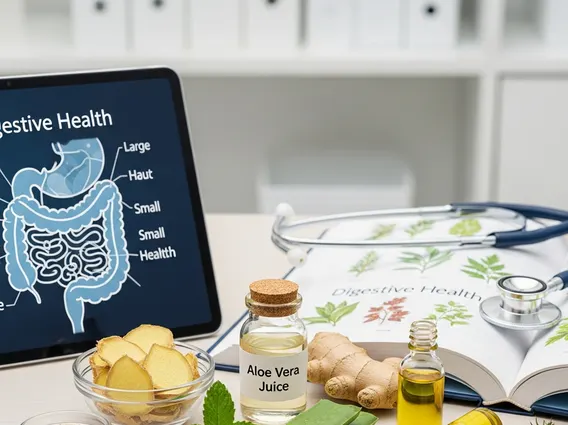
Key Takeaways
- Natural remedies for bowel obstruction are supportive measures only and should never replace professional medical evaluation.
- Hydration and a carefully selected diet are among the most accessible tools for easing mild intestinal blockage symptoms.
- Certain herbal approaches, such as ginger and peppermint, may help reduce nausea and cramping associated with partial obstructions.
- Recognizing warning signs—such as complete inability to pass gas, severe abdominal pain, or vomiting—is critical for knowing when to seek emergency care.
- Any home-based approach should be discussed with a qualified healthcare provider before use.
Natural Remedies for Bowel Obstruction to Ease Mild Symptoms
Bowel obstruction occurs when the small or large intestine is partially or fully blocked, preventing the normal passage of digested food, fluids, and gas. According to clinical data, adhesions from prior abdominal surgery account for approximately 60–70% of small bowel obstruction cases in adults, making it a relatively common post-surgical complication. In mild or partial cases, certain supportive strategies may reduce discomfort while the body attempts to resolve the blockage naturally.
Gentle physical movement is one of the simplest home-based strategies that may support intestinal function. Light walking stimulates peristalsis—the wave-like muscle contractions that push contents through the digestive tract. Patients with a partial obstruction who are cleared by a physician for light activity may find that short, slow walks after meals help reduce bloating and gas buildup. This is not a cure, but it may assist the gut in continuing to move contents forward.
Applying a warm compress or heating pad to the abdomen can also provide temporary relief from cramping and muscle tension associated with intestinal blockage. Heat promotes localized circulation and helps relax abdominal muscles, which may reduce the intensity of spasms. This approach should be used with caution, however, as heat application is inappropriate if inflammation, fever, or signs of bowel perforation are present. Always consult a physician before applying any form of heat therapy to the abdominal area.
Positioning may further support comfort. Lying on the left side, for example, is a position that some gastroenterologists recommend to encourage the movement of gas through the colon due to anatomical factors. Gentle abdominal massage in a clockwise direction—following the path of the colon—is another low-risk technique that may stimulate motility in mild cases. These methods address symptom management rather than the underlying cause and must be pursued with professional guidance.
Foods and Hydration Strategies That Support Intestinal Blockage Relief
Dietary choices play a meaningful role in managing the symptoms of a partial bowel obstruction. Understanding which foods to eat with a bowel obstruction is essential, as the wrong choices can worsen the blockage or increase discomfort. In general, low-fiber, easily digestible foods place the least mechanical burden on an obstructed intestine and are therefore preferred during symptomatic periods.
Adequate fluid intake is equally important. Dehydration worsens constipation and thickens intestinal contents, making it harder for partially blocked passages to clear. Clear liquids—such as broths, diluted fruit juices without pulp, and water—are typically the first dietary recommendation when obstruction symptoms are present. The goal is to maintain hydration without adding bulk that could worsen the blockage. Carbonated beverages should be avoided, as they introduce gas that may increase bloating and abdominal pressure.
Foods that are low in residue and easy to digest are generally the safest options during a symptomatic episode. These include white rice, plain crackers, cooked eggs, and peeled, cooked fruits such as applesauce. High-fiber foods, raw vegetables, seeds, nuts, and legumes should be avoided entirely during an active obstruction, as fiber can accumulate and worsen the blockage. Dairy products may also cause issues in individuals with underlying lactose sensitivity.
| Food Category | Examples | Recommendation |
|---|---|---|
| Clear liquids | Broth, water, diluted juice | Encouraged to maintain hydration |
| Low-residue foods | White rice, plain crackers, cooked eggs | Appropriate in mild cases |
| Cooked soft fruits | Applesauce, canned peaches (no skin) | Generally well tolerated |
| High-fiber foods | Raw vegetables, legumes, seeds, nuts | Avoid during active symptoms |
| Carbonated beverages | Sparkling water, sodas | Avoid due to gas production |
Small, frequent meals are preferable to large ones, as they reduce the volume load placed on the intestine at any single time. Eating slowly and chewing food thoroughly also reduces the size of food particles entering the digestive tract, which can ease transit. These dietary modifications are part of a broader approach to natural ways to treat bowel obstruction symptoms and should always be implemented under medical supervision.
Herbal and Home-Based Approaches to Bowel Obstruction Natural Treatment
Several herbal remedies have traditionally been used to support digestive health and relieve gastrointestinal discomfort. While scientific evidence specifically targeting bowel obstruction is limited, some botanicals have demonstrated effects on gut motility, nausea, and inflammation in broader gastrointestinal research. These options may serve as complementary support in mild cases but are not substitutes for medical treatment.
Ginger is among the most studied herbal remedies for bowel obstruction relief and related digestive symptoms. Research published in gastroenterology journals has shown that ginger contains bioactive compounds—particularly gingerols and shogaols—that stimulate gastric motility and reduce nausea. Ginger tea, made from freshly grated root steeped in hot water, is a gentle way to incorporate this herb. It may help reduce nausea and mild cramping that often accompany partial intestinal blockages.
Peppermint has also been studied for its antispasmodic effects on the gastrointestinal tract. The active compound menthol relaxes smooth muscle in the intestinal wall, which may help relieve spasms and gas. Peppermint tea or diluted peppermint oil capsules—enteric-coated to prevent early dissolution—are common preparations. However, peppermint should be used cautiously in individuals with gastroesophageal reflux, as it may relax the lower esophageal sphincter and worsen reflux symptoms.
Fennel seed tea is another traditional option used to reduce intestinal gas and bloating. Fennel contains compounds like anethole that are thought to have mild carminative and antispasmodic properties. Similarly, chamomile tea has a long history of use for abdominal discomfort due to its mild anti-inflammatory and muscle-relaxing effects. While these botanicals are generally considered safe for short-term use in otherwise healthy adults, bowel obstruction natural treatment at home using herbs should always be disclosed to a treating physician, particularly given the potential for herb-drug interactions.
Probiotics represent another area of interest in gut health support. Some research suggests that maintaining a healthy gut microbiome may support intestinal motility and reduce inflammation. Fermented foods such as plain yogurt with live cultures are a food-based source of beneficial bacteria. However, during an active obstruction, fermented or high-residue foods should only be introduced after medical clearance, as the benefit-to-risk balance depends on the severity and location of the blockage.
When Natural Remedies Are Not Enough: Recognizing Medical Emergencies
A bowel obstruction that is not addressed promptly can escalate into a life-threatening emergency. Home remedies for intestinal blockage may provide temporary comfort in very mild, physician-confirmed partial obstructions, but they carry no benefit—and significant risk—when applied to a complete or strangulated blockage. Strangulation, which occurs when the blood supply to the affected bowel segment is cut off, requires immediate surgical intervention and carries a mortality rate that rises sharply with delayed treatment.
Several warning signs indicate that an individual must seek emergency medical care without delay. These include:
- Complete inability to pass gas or stool
- Severe, rapidly worsening abdominal pain or distension
- Persistent vomiting, especially if it becomes feculent (feces-like in odor)
- High fever accompanied by abdominal tenderness
- Signs of shock, such as rapid heart rate, low blood pressure, or altered consciousness
These symptoms suggest that the obstruction may be complete, strangulated, or associated with perforation—conditions that are beyond the scope of any home-based approach. The National Institute of Diabetes and Digestive and Kidney Diseases (NIDDK) notes that bowel obstruction is a medical emergency in many presentations and emphasizes that diagnosis requires imaging studies and clinical evaluation that only a hospital setting can provide.
It is also important to recognize that self-treating with laxatives or enemas during an active bowel obstruction is dangerous. These interventions can increase pressure within an already compromised bowel segment and may contribute to perforation. Similarly, consuming solid foods in an attempt to “push through” a blockage can worsen the situation significantly. Any home-based strategy should be implemented only after a physician has confirmed a partial obstruction and explicitly cleared the patient for conservative management.
Frequently Asked Questions
Can a bowel obstruction resolve on its own without medical treatment?
Some partial bowel obstructions—particularly those caused by adhesions or localized inflammation—may resolve with conservative management, including bowel rest, hydration, and close monitoring in a medical setting. However, this determination must be made by a physician using imaging and clinical assessment. Attempting to resolve a bowel obstruction at home without a confirmed diagnosis is unsafe, as complete or strangulated obstructions require surgical intervention and cannot improve without it.
Are herbal teas safe to drink during a bowel obstruction?
Mild herbal teas such as ginger, peppermint, or chamomile are generally low-risk for most adults and may provide symptomatic relief from nausea or cramping in very mild cases. However, they should not be consumed during a confirmed complete obstruction. Always consult a healthcare provider before using any herbal preparation, particularly if you take prescription medications, as herb-drug interactions are possible and can affect how the body processes certain treatments.
What is the difference between a partial and a complete bowel obstruction?
A partial bowel obstruction allows some gas or liquid stool to pass beyond the blockage, while a complete obstruction prevents any material from moving through. Partial obstructions may be managed conservatively in some cases, whereas complete obstructions typically require hospitalization and often surgery. Symptoms tend to be more severe with a complete blockage, including total absence of gas passage and pronounced abdominal distension. Medical imaging is necessary to distinguish between the two.
Disclaimer: The information in this article is intended for educational purposes only and does not constitute medical advice. Natural and herbal approaches to bowel obstruction symptoms are supportive in nature and do not replace professional medical evaluation or treatment. Always consult a qualified healthcare provider before initiating any home-based or complementary therapy. This content complies with FDA guidelines and is not intended to diagnose, treat, cure, or prevent any disease.