
Calbindin
Calbindin refers to a family of calcium-binding proteins essential for maintaining calcium balance within the body. These proteins play a vital role in various physiological processes, particularly in cellular calcium transport and buffering.
Key Takeaways
- Calbindin is a crucial calcium-binding protein found in various tissues, including the intestines, kidneys, and brain.
- Its primary function involves buffering and transporting calcium ions within cells, preventing calcium toxicity and facilitating calcium movement.
- Calbindin is integral to calcium homeostasis, ensuring stable calcium levels necessary for nerve function, bone health, and muscle contraction.
- There are different forms of Calbindin, such as Calbindin-D28k and Calbindin-D9k, each with specific tissue distributions and roles.
What is Calbindin?
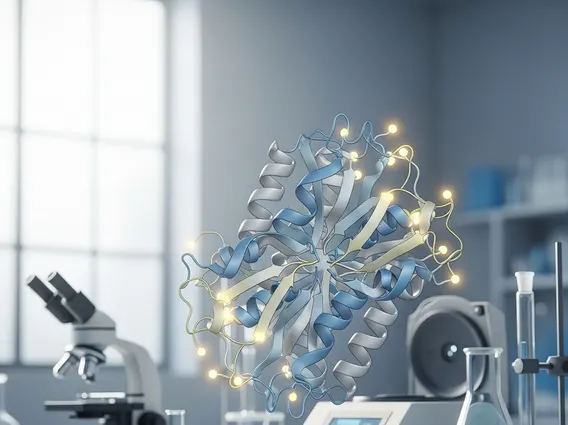
Calbindin is a group of intracellular calcium-binding proteins widely distributed throughout the body. These proteins are characterized by their EF-hand motifs, which are specific structural domains capable of binding calcium ions with high affinity. The presence of these binding sites allows Calbindin to act as a calcium buffer, managing the concentration of free calcium within cells.
A comprehensive calbindin protein overview reveals that two primary forms are recognized: Calbindin-D28k (approximately 28 kilodaltons) and Calbindin-D9k (approximately 9 kilodaltons). Calbindin-D28k is predominantly found in the brain, kidneys, and certain endocrine cells, while Calbindin-D9k is abundant in the intestines, placenta, and kidneys. Their distinct distributions suggest specialized functions tailored to the needs of different tissues, primarily related to calcium handling and protection against calcium overload.
Calbindin’s Role in Calcium Homeostasis
The primary calbindin function in body is to regulate intracellular calcium levels, which is critical for numerous physiological processes. Calcium is a ubiquitous second messenger involved in muscle contraction, nerve impulse transmission, hormone secretion, and bone mineralization. Maintaining precise calcium concentrations, known as calcium homeostasis, is therefore paramount for overall health.
Calbindin contributes significantly to the calbindin role in calcium regulation by facilitating the absorption of dietary calcium in the intestines and its reabsorption in the kidneys. In intestinal epithelial cells, Calbindin-D9k binds to absorbed calcium, preventing its accumulation to toxic levels and actively transporting it across the cell to the bloodstream. Similarly, in the kidneys, Calbindin-D28k aids in the reabsorption of calcium from the glomerular filtrate, preventing excessive calcium loss in urine.
Beyond its role in absorption and reabsorption, Calbindin also plays a protective role in neurons. High intracellular calcium levels can trigger cell death, a process known as excitotoxicity. Calbindin-D28k in the brain acts as a calcium buffer, sequestering excess calcium and helping to maintain neuronal viability, particularly during periods of intense neuronal activity or stress. This buffering capacity is crucial for preventing neurological damage.
The multifaceted roles of Calbindin highlight its importance in systemic calcium management. Without adequate Calbindin, the body’s ability to absorb, transport, and buffer calcium would be severely compromised, leading to potential imbalances that could affect bone density, nerve function, and overall cellular health. For instance, disruptions in calcium homeostasis can contribute to conditions like osteoporosis or neurological disorders. According to the World Health Organization (WHO), maintaining optimal calcium levels is vital for preventing bone-related diseases globally.
Here are some key areas where Calbindin exerts its influence:
- Intestinal Calcium Absorption: Calbindin-D9k binds calcium in the duodenum, facilitating its transport from the lumen into the bloodstream.
- Renal Calcium Reabsorption: Calbindin-D28k assists in the reabsorption of calcium in the distal tubules of the kidneys, preventing its excretion.
- Neuronal Protection: Calbindin-D28k buffers intracellular calcium in neurons, protecting them from excitotoxicity and maintaining synaptic function.
- Endocrine Regulation: Present in certain endocrine cells, it may modulate calcium-dependent hormone release.



















