
Bulbar Conjunctivitis
Bulbar Conjunctivitis is a common eye condition affecting the transparent membrane covering the white part of the eye. Understanding its nature, symptoms, and appropriate management is crucial for maintaining ocular health.
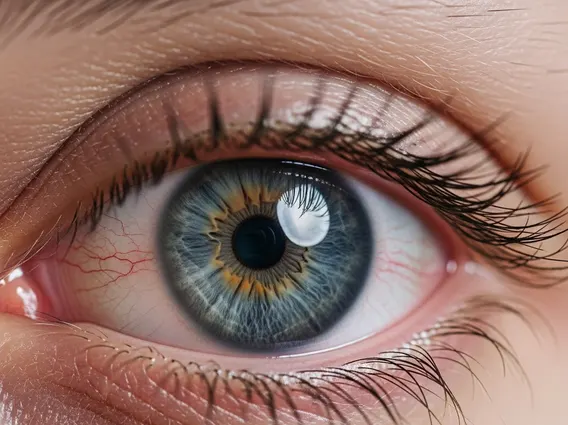
Key Takeaways
- Bulbar Conjunctivitis is an inflammation of the conjunctiva covering the sclera, often causing redness and irritation.
- It is distinct from palpebral conjunctivitis, which affects the inner eyelids.
- Common symptoms include redness, itching, tearing, and a gritty sensation.
- Causes range from viral and bacterial infections to allergies and irritants.
- Treatment typically involves addressing the underlying cause, with options like eye drops or compresses.
What is Bulbar Conjunctivitis?
Bulbar Conjunctivitis refers to the inflammation of the bulbar conjunctiva, the clear, thin membrane that covers the sclera (the white part of the eye) and the inner surfaces of the eyelids. This condition is a form of conjunctivitis, commonly known as “pink eye,” specifically targeting the conjunctiva that overlies the eyeball. When this membrane becomes inflamed, the blood vessels within it dilate, leading to the characteristic redness and irritation. It can affect one or both eyes and is a frequently encountered ophthalmic issue. While often benign and self-limiting, understanding what is Bulbar Conjunctivitis is essential for proper diagnosis and management, as its symptoms can overlap with more serious eye conditions, making accurate identification crucial.
Symptoms and Causes of Bulbar Conjunctivitis
Recognizing the bulbar conjunctivitis symptoms is key to timely intervention. These symptoms can vary in intensity depending on the underlying cause but commonly include:
- Redness in the white part of the eye, often appearing as bloodshot eyes.
- Itching or a burning sensation.
- Excessive tearing or watery discharge.
- A gritty feeling, as if there is sand in the eye.
- Mild sensitivity to light (photophobia).
- Swelling of the conjunctiva (chemosis).
- Crusting of the eyelids, especially upon waking, more common in bacterial infections.
The causes of bulbar conjunctivitis are diverse, categorized into infectious and non-infectious origins. Infectious causes are typically viral or bacterial. Viral conjunctivitis, often associated with the common cold, is highly contagious and usually produces watery discharge. Bacterial conjunctivitis tends to cause a thicker, pus-like discharge. Non-infectious causes include allergies (pollen, dust mites), environmental irritants (smoke, pollution, chlorine), foreign bodies, dry eyes, and improper contact lens use.
Treatment for Bulbar Conjunctivitis
The appropriate bulbar conjunctivitis treatment largely depends on its underlying cause. A healthcare professional will diagnose the specific type to recommend the most effective course of action. For viral conjunctivitis, which often resolves on its own within a week or two, treatment is primarily supportive, involving artificial tears and cold compresses to relieve discomfort. Antibiotic eye drops are ineffective against viruses. In cases of bacterial conjunctivitis, antibiotic eye drops or ointments are typically prescribed to eliminate the infection; completing the full course is crucial. For allergic conjunctivitis, treatment focuses on avoiding the allergen and may include antihistamine eye drops or oral antihistamines. Irritant conjunctivitis usually improves once the irritant is removed. In all cases, good hygiene practices, such as frequent hand washing and avoiding touching the eyes, are vital. If symptoms persist or worsen, or if there is severe pain or vision changes, immediate medical attention is necessary.



















