Bowel
The bowel, an essential part of the digestive system, plays a crucial role in nutrient absorption and waste elimination. Understanding its function and maintaining its health is vital for overall well-being.
Key Takeaways
- The bowel comprises the small and large intestines, responsible for digestion and waste processing.
- Its anatomy and function are complex, involving nutrient absorption, water reabsorption, and stool formation.
- Various issues, from common discomforts to serious conditions, can affect bowel health.
- Maintaining a healthy bowel involves dietary choices, hydration, physical activity, and stress management.
- Regular medical check-ups and prompt attention to symptoms are key for preventing and managing bowel problems.
What is the Bowel?
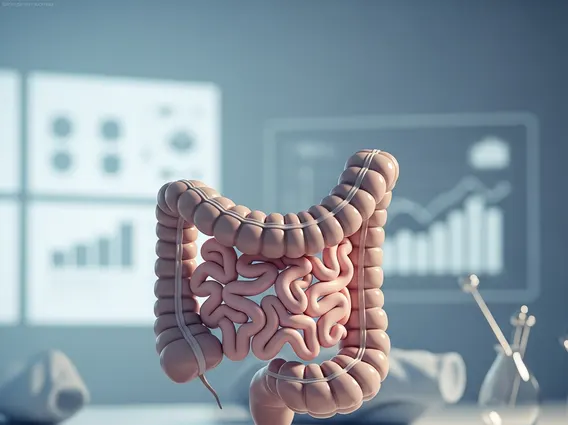
The Bowel refers to the long, tubular organ that extends from the stomach to the anus, forming a major part of the digestive tract. It is primarily responsible for the digestion and absorption of nutrients from food, as well as the elimination of waste products from the body. Comprising two main sections—the small intestine and the large intestine—the bowel performs distinct yet interconnected roles crucial for maintaining health. The small intestine handles most nutrient absorption, while the large intestine focuses on water reabsorption and forming stool for excretion.
Bowel Anatomy, Function, and Common Problems
The intricate bowel function and anatomy are central to the digestive process. The small intestine, approximately 20 feet long, is where most chemical digestion and nutrient absorption occur, aided by enzymes and bile. Its inner surface is lined with villi and microvilli, vastly increasing the surface area for efficient absorption. Following this, the large intestine, about 5 feet long, receives undigested food and water. Here, water and electrolytes are reabsorbed, and beneficial bacteria ferment remaining material, producing certain vitamins and facilitating the formation of stool. This process typically takes 24 to 72 hours, depending on individual factors.
Several types of bowel problems can arise, ranging from mild and temporary discomforts to chronic and severe conditions. These issues can significantly impact quality of life and may require medical attention. According to the National Institute of Diabetes and Digestive and Kidney Diseases (NIDDK), millions of Americans are affected by digestive diseases each year.
Common bowel problems include:
- Constipation: Characterized by infrequent bowel movements or difficulty passing stools.
- Diarrhea: Frequent, loose, watery stools, often caused by infections, food intolerances, or certain medications.
- Irritable Bowel Syndrome (IBS): A chronic condition involving abdominal pain, cramping, bloating, and changes in bowel habits (diarrhea, constipation, or both). It affects an estimated 10-15% of the global population.
- Inflammatory Bowel Disease (IBD): A group of chronic inflammatory conditions, primarily Crohn’s disease and ulcerative colitis, which cause inflammation and damage to the digestive tract lining.
- Diverticular Disease: Conditions where small, bulging pouches (diverticula) form in the lining of the large intestine, which can become inflamed (diverticulitis).
Tips for a Healthy Bowel
Maintaining a healthy bowel is fundamental for overall digestive health and well-being. Implementing certain lifestyle choices can significantly reduce the risk of developing bowel problems and improve existing conditions. Here are some essential healthy bowel tips:
- Increase Fiber Intake: Consume a diet rich in dietary fiber from fruits, vegetables, whole grains, and legumes. Fiber adds bulk to stool, aiding regular bowel movements and preventing constipation. Aim for 25-30 grams of fiber daily.
- Stay Hydrated: Drink plenty of water throughout the day. Adequate fluid intake helps keep stools soft and facilitates their passage through the digestive tract.
- Engage in Regular Physical Activity: Exercise stimulates the muscles of the intestines, promoting regular bowel movements. Even moderate activity, like a daily walk, can be beneficial.
- Manage Stress: Stress can significantly impact bowel function, contributing to conditions like IBS. Practices such as meditation, yoga, or deep breathing can help mitigate stress effects.
- Establish a Routine: Try to have bowel movements at a consistent time each day. Listening to your body’s signals and not delaying bowel movements can prevent issues.
- Limit Processed Foods and Sugars: These foods often lack fiber and can disrupt the balance of gut bacteria, potentially leading to digestive discomfort.
- Avoid Smoking and Excessive Alcohol: Both smoking and heavy alcohol consumption are detrimental to digestive health and can exacerbate bowel problems.
By adopting these practices, individuals can support optimal bowel function and contribute to a healthier digestive system. If persistent bowel symptoms occur, consulting a healthcare professional is always recommended for proper diagnosis and treatment.