Kava Kava
Kava Kava is a traditional beverage or herbal supplement derived from the roots of a plant native to the Pacific Islands. It has been used for centuries in cultural ceremonies and for its purported calming effects.
Key Takeaways
- Kava Kava is a plant-derived substance from the Pacific Islands, traditionally used for its relaxing properties.
- It is primarily known for its potential to alleviate stress and anxiety, and improve sleep quality.
- Potential risks include liver toxicity, especially with excessive use or interaction with other substances.
- Traditional preparation involves steeping the root in water, creating a non-alcoholic beverage.
- Always consult a healthcare professional before using Kava Kava, especially if you have underlying health conditions or are taking other medications.
What is Kava Kava? Plant Origin and Characteristics
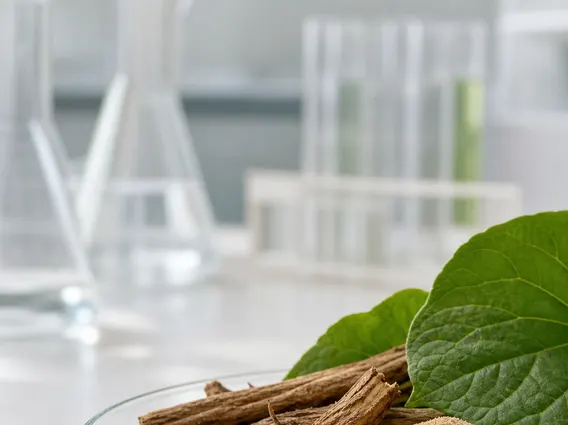
Kava Kava refers to a tropical plant scientifically known as Piper methysticum, meaning “intoxicating pepper.” It is indigenous to the Western Pacific islands, including Vanuatu, Fiji, Tonga, and Hawaii, where it holds significant cultural and ceremonial importance. The plant is a member of the pepper family and is characterized by its large, heart-shaped leaves and woody stems. The active compounds responsible for its effects are called kavalactones, which are concentrated in the plant’s roots.
The cultivation of Kava Kava has a long history, spanning over 3,000 years, deeply embedded in the social fabric of Pacific Islander communities. Traditional kava kava plant information highlights its role in rituals, social gatherings, and as a mild sedative. The plant thrives in well-drained soil and humid climates, typically reaching heights of 3-6 meters. Different varieties of Kava Kava exist, each with varying concentrations of kavalactones, influencing their potency and effects.
Kava Kava Uses, Benefits, and Potential Risks
Kava Kava has been traditionally consumed for its anxiolytic (anxiety-reducing) and sedative properties. Historically, it was used in ceremonies to promote relaxation, facilitate social interaction, and induce a state of calm. In modern contexts, people explore what is kava kava used for primarily as an herbal remedy for stress, anxiety, and insomnia.
The potential kava kava benefits and risks are subjects of ongoing research. Some studies suggest that Kava Kava may be effective in reducing symptoms of generalized anxiety disorder. Its kavalactones are believed to interact with neurotransmitters in the brain, producing a calming effect without significantly impairing mental clarity in moderate doses. However, it is crucial to be aware of the associated risks.
Potential benefits often cited include:
- Temporary relief from mild to moderate anxiety.
- Promotion of relaxation and a sense of well-being.
- Aid in improving sleep quality for some individuals.
Conversely, significant risks and side effects have been reported, particularly concerning liver health. The U.S. Food and Drug Administration (FDA) has issued warnings regarding the potential for severe liver damage associated with Kava Kava products, especially those made from parts of the plant other than the root, or when consumed in excessive amounts or with alcohol. Other potential side effects include digestive upset, headaches, dizziness, and skin rashes. It is not recommended for individuals with liver conditions, pregnant or breastfeeding women, or those taking medications that affect the liver or central nervous system.
How to Prepare Kava Kava
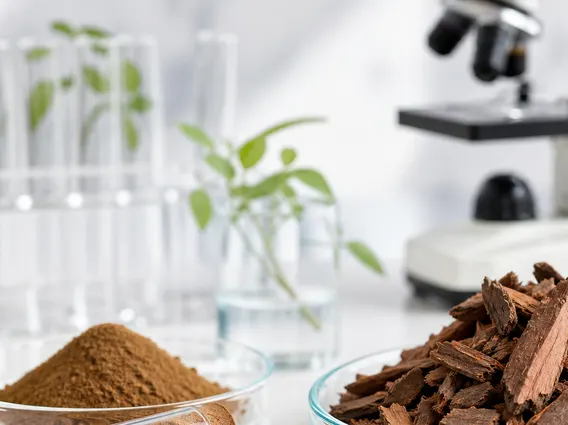
Understanding how to prepare Kava Kava is essential for both traditional consumption and modern use. Traditionally, the preparation involves grinding or pounding the dried or fresh roots of the Kava Kava plant into a fine powder. This powder is then placed into a porous cloth bag and steeped in cold water, often in a large wooden bowl. The mixture is kneaded and squeezed repeatedly to extract the kavalactones into the water, creating a murky, earthy-tasting beverage.
In contemporary settings, Kava Kava is available in various forms, including powdered root, tinctures, and encapsulated extracts. While these forms offer convenience, it is important to ensure that products are sourced from reputable suppliers and contain only the root material to minimize potential health risks. Regardless of the form, it is always advisable to start with a low dose to assess individual tolerance and to consult with a healthcare professional before incorporating Kava Kava into your regimen, especially if you are considering it for medicinal purposes or have existing health conditions. This information is for supportive purposes only and does not replace professional medical treatment or advice.