
Keloid
Keloids are a type of raised scar that can develop after skin injury, often growing larger than the original wound. Understanding their characteristics and management is crucial for individuals affected by them.
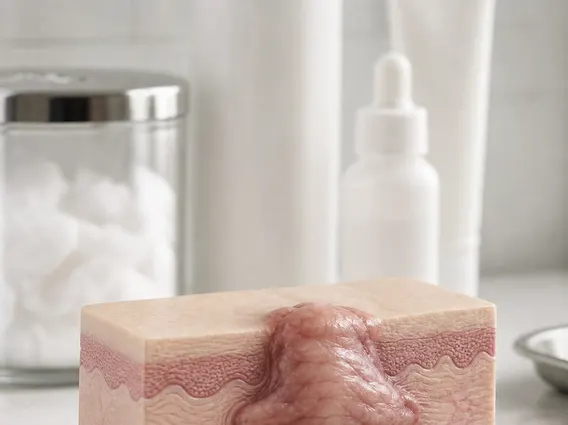
Key Takeaways
- Keloids are firm, raised scars that extend beyond the boundaries of the initial skin injury.
- They result from an overproduction of collagen during the healing process and do not regress spontaneously.
- Distinguishing keloids from hypertrophic scars is important, as keloids grow beyond the wound while hypertrophic scars remain within the wound margins.
- Genetic predisposition and darker skin tones are significant risk factors for keloid development.
- Treatment options aim to reduce size and symptoms, often involving a combination of therapies, but recurrence is common.
What is a Keloid?
A Keloid is a type of benign, raised scar that forms after skin damage. Unlike normal scars that flatten over time, keloids grow aggressively, extending beyond the original wound site. They are characterized by their firm, rubbery texture and can appear shiny or dome-shaped, with colors ranging from pink to red or dark brown. This excessive growth is due to an overproduction of collagen during the healing process, where the body continues to deposit fibrous tissue long after the wound has closed.
Keloids can develop from various types of skin trauma, including surgical incisions, acne, burns, piercings, vaccinations, and even minor scratches. They do not spontaneously regress and can continue to grow for months or even years, often causing cosmetic disfigurement, discomfort, and sometimes functional impairment if located near joints.
Keloid Causes, Symptoms, and Hypertrophic Scar Differences
The precise mechanisms behind keloid causes and symptoms are not fully understood, but several factors contribute to their development. Genetic predisposition plays a significant role, with individuals having a family history of keloids being more susceptible. They are also more prevalent in people with darker skin tones, particularly those of African, Asian, and Hispanic descent. Common triggers include any form of skin injury, such as cuts, surgical incisions, burns, acne, chickenpox, insect bites, and ear piercings.
Symptoms associated with keloids can vary. While primarily a cosmetic concern, keloids can also cause physical discomfort. Patients often report itching, pain, tenderness, or a burning sensation in the affected area. If a keloid forms over a joint, it can restrict movement. The psychological impact due to their appearance can also be significant.
It is crucial to differentiate between a keloid and a hypertrophic scar, as their management strategies differ. The distinction between a keloid vs hypertrophic scar lies primarily in their growth patterns and behavior. Hypertrophic scars are also raised and red but remain confined to the boundaries of the original wound and often show some degree of spontaneous regression over time. Keloids, conversely, invade surrounding healthy skin and rarely regress without intervention.
| Feature | Keloid | Hypertrophic Scar |
|---|---|---|
| Growth Beyond Wound | Yes, extends into healthy skin | No, confined to wound margins |
| Spontaneous Regression | Rarely | Often, partially or fully |
| Recurrence After Excision | High (50-80%) | Lower (approx. 5-10%) |
| Appearance | Firm, rubbery, often shiny, dome-shaped | Red, raised, often linear |
| Time of Onset | Months to years after injury | Weeks to months after injury |
Keloid Treatment Options
Addressing the question of how to treat keloids involves a range of approaches, often used in combination, as no single treatment is universally effective. The primary goals of treatment are to reduce the size, flatten the scar, alleviate associated symptoms like itching and pain, and improve cosmetic appearance. Complete eradication without recurrence remains a significant challenge.
Common treatment modalities include:
- Corticosteroid Injections: Intralesional injections of corticosteroids are a first-line treatment, helping to reduce inflammation and flatten the keloid.
- Cryotherapy: Freezing the keloid with liquid nitrogen can reduce its size and soften its texture, often used in conjunction with other therapies.
- Surgical Excision: While surgery can remove the keloid, it carries a high risk of recurrence, often necessitating adjunctive therapies like radiation or corticosteroid injections post-operation to minimize regrowth.
- Laser Therapy: Pulsed dye lasers can reduce redness and flatten keloids, while CO2 lasers may be used for debulking.
- Radiation Therapy: Low-dose radiation, typically administered immediately after surgical removal, can significantly reduce recurrence rates.
- Silicone Sheets and Gels: These topical treatments are often used for prevention or to reduce the size and symptoms of existing keloids, promoting hydration and pressure.
- Pressure Therapy: Applying continuous pressure to the keloid with specialized garments can help flatten it, particularly effective for larger keloids or those on the earlobes.
Given the complexity and high recurrence rate of keloids, it is essential to consult with a dermatologist or plastic surgeon to determine the most appropriate and personalized treatment plan. Early intervention and a multi-modal approach often yield the best outcomes.



















