Junctional Epidermolysis Bullosa
Junctional Epidermolysis Bullosa is a severe and rare genetic skin disorder characterized by extreme skin fragility and recurrent blistering. This condition significantly impacts the quality of life for affected individuals, often presenting from birth.
Key Takeaways
- Junctional Epidermolysis Bullosa (JEB) is a rare genetic disorder causing severe skin blistering and fragility.
- It results from mutations in genes responsible for proteins that anchor the epidermis to the dermis.
- Symptoms include widespread blistering, particularly on the skin and mucous membranes, often evident at birth.
- Treatment focuses on supportive care, wound management, pain control, and nutritional support.
- Research into gene and cell therapies offers hope for future targeted treatments.
What is Junctional Epidermolysis Bullosa?
Junctional Epidermolysis Bullosa (JEB) is a group of inherited disorders characterized by the formation of blisters and erosions in response to minimal trauma. This occurs due to defects in the proteins that form the dermal-epidermal junction, the area where the outer layer of skin (epidermis) connects to the underlying layer (dermis). The skin becomes extremely fragile, leading to painful wounds that can affect not only the skin but also internal mucous membranes, such as those lining the mouth, esophagus, and respiratory tract.
JEB is considered one of the more severe forms of epidermolysis bullosa, with varying degrees of severity depending on the specific genetic mutation. It is a very rare condition, affecting approximately 1 in 200,000 to 1 in 1,000,000 live births worldwide, according to the National Organization for Rare Disorders (NORD).
Symptoms and Genetic Causes of Junctional Epidermolysis Bullosa
The presentation of junctional epidermolysis bullosa symptoms typically begins at birth or shortly thereafter, with severe and widespread blistering. These blisters can occur spontaneously or as a result of minor friction or trauma. The primary symptoms are:
- Fragile skin and recurrent blistering, often leading to chronic wounds.
- Blistering and erosions in mucous membranes, including the mouth, throat, and esophagus, causing feeding difficulties and pain.
- Dental abnormalities, such as enamel hypoplasia, making teeth prone to decay.
- Dystrophic or absent nails (nail dystrophy).
- Hair loss (alopecia), which can be localized or widespread.
- Chronic anemia due to blood loss from extensive wounds.
- Growth delays and malnutrition, often exacerbated by feeding difficulties.
- Eye involvement, including corneal erosions and scarring.
The underlying causes of junctional epidermolysis bullosa are specific genetic mutations inherited in an autosomal recessive pattern. This means that an individual must inherit two copies of the mutated gene (one from each parent) to develop the condition. The most common genes implicated are LAMB3, LAMA3, and LAMC2, which encode subunits of laminin-332, a protein essential for anchoring the epidermis to the dermis. Mutations in the COL17A1 gene, which codes for type XVII collagen, can also lead to JEB. These genetic defects disrupt the structural integrity of the dermal-epidermal junction, making the skin susceptible to separation and blistering.
Junctional Epidermolysis Bullosa Treatment Options
Currently, there is no cure for Junctional Epidermolysis Bullosa, so junctional epidermolysis bullosa treatment options are primarily supportive and aimed at managing symptoms, preventing complications, and improving quality of life. A multidisciplinary team approach is essential, involving dermatologists, wound care specialists, nutritionists, pain management specialists, and genetic counselors.
Key aspects of management include:
- Wound Care: Meticulous and gentle wound care is crucial to prevent infection and promote healing. This involves using non-adhesive dressings, topical antibiotics for infected areas, and regular dressing changes.
- Pain Management: Chronic pain is common, requiring appropriate analgesics and strategies to minimize discomfort during wound care.
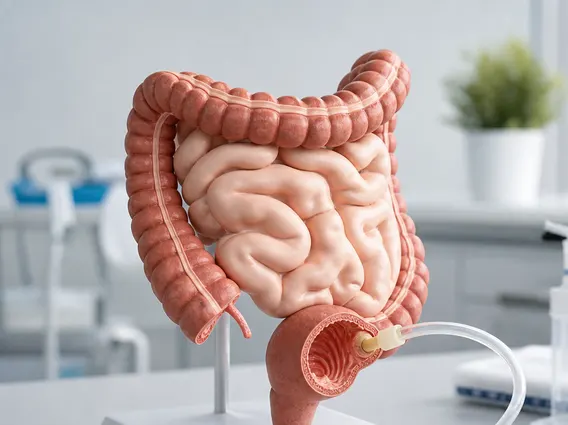
- Nutritional Support: Many individuals experience feeding difficulties and malnutrition due to oral and esophageal blistering. Nutritional supplementation, often through gastrostomy tubes, may be necessary to ensure adequate growth and healing.
- Infection Control: Preventing and treating secondary bacterial infections in open wounds is vital, as infections can worsen the condition and lead to sepsis.
- Physical Therapy: To maintain mobility and prevent contractures, especially around joints.
- Emerging Therapies: Research is ongoing into potential disease-modifying treatments, including gene therapy, cell-based therapies (e.g., stem cell transplantation), and protein replacement therapies. These approaches aim to correct the underlying genetic defects or replace the missing proteins, offering hope for more targeted interventions in the future.
It is important to note that any mention of alternative or complementary therapies is for informational purposes only and should not replace conventional medical treatment and advice from healthcare professionals.