
Radioactive Iodine
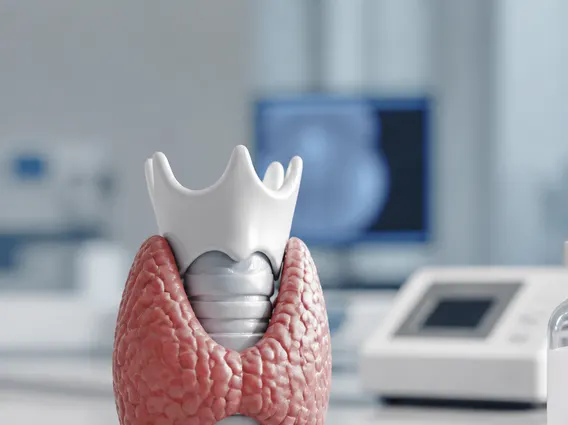
Radioactive Iodine is a specialized medical treatment that utilizes a radioactive isotope of iodine to target and treat specific conditions, primarily those affecting the thyroid gland. This therapy leverages the thyroid’s natural ability to absorb iodine, making it a highly effective and targeted approach in oncology and endocrinology.
Key Takeaways
- Radioactive Iodine (RAI) is a therapeutic agent containing a radioactive isotope, most commonly Iodine-131.
- It is primarily used to treat thyroid conditions, including hyperthyroidism and certain types of thyroid cancer.
- RAI works by being selectively absorbed by thyroid cells, where its emitted radiation destroys target tissue.
- Patients undergoing RAI treatment must follow specific radiation safety precautions to protect others.
- Common side effects are generally mild and temporary, such as neck tenderness, nausea, or dry mouth.
What is Radioactive Iodine (RAI)?
Radioactive Iodine (RAI) refers to a form of iodine that contains a radioactive isotope, most commonly Iodine-131 (I-131). This medical substance is used diagnostically and therapeutically due to its unique properties. The thyroid gland, a vital endocrine organ, naturally absorbs iodine from the bloodstream to produce thyroid hormones. When a patient ingests RAI, the thyroid gland takes up the radioactive iodine in the same way it would stable iodine. Once concentrated in the thyroid cells, the radioactive emissions from I-131 can be used to destroy specific tissues or to image the gland, making it an invaluable tool in nuclear medicine.
How Radioactive Iodine Works and Its Medical Applications
The mechanism of how radioactive iodine works is based on the thyroid gland’s specific iodine uptake. After oral administration, RAI is absorbed into the bloodstream and then preferentially taken up by thyroid cells, whether they are healthy, overactive, or cancerous. The I-131 isotope emits beta particles, which are short-range radiation, effectively destroying the cells that have absorbed it while minimizing damage to surrounding tissues. This targeted approach makes RAI particularly effective for thyroid-related conditions.
The primary uses of radioactive iodine in medicine are focused on treating thyroid disorders. These applications include:
- Hyperthyroidism: RAI is a common and effective treatment for an overactive thyroid gland, such as in Graves’ disease. It reduces the production of thyroid hormones by destroying a portion of the overactive thyroid cells, leading to a gradual return to normal thyroid function.
- Thyroid Cancer: Following surgical removal of the thyroid gland for cancer, RAI therapy is often used to ablate (destroy) any remaining thyroid tissue, including microscopic cancer cells that may not have been removed during surgery or have spread to other parts of the body. This helps prevent recurrence and treats metastatic thyroid cancer.
The effectiveness of RAI therapy in these conditions stems from the thyroid’s unique metabolic pathway for iodine, allowing for highly localized radiation delivery.
Potential Side Effects of Radioactive Iodine Treatment
While generally safe and effective, radioactive iodine treatment side effects can occur. These side effects are typically mild and temporary, though some can be more persistent. Understanding these potential effects is crucial for patients undergoing therapy.
Common side effects often include:
- Neck Tenderness and Swelling: Inflammation of the thyroid gland can cause discomfort in the neck area.
- Nausea and Vomiting: Some individuals may experience gastrointestinal upset shortly after receiving the dose.
- Dry Mouth and Taste Changes: Salivary glands can absorb some radioactive iodine, leading to temporary dryness or altered taste perception.
- Fatigue: Patients may feel tired or lethargic for a few days or weeks following treatment.
Less common or long-term side effects may include a temporary decrease in white blood cell count. For patients treated for hyperthyroidism, a common long-term outcome is the development of hypothyroidism (underactive thyroid), which requires lifelong thyroid hormone replacement therapy. Patients are provided with detailed instructions on managing these side effects and on radiation safety precautions to minimize exposure to others during the period of radioactivity.



















