
Radiation Necrosis
Radiation Necrosis is a serious, delayed complication that can occur after radiation therapy, particularly when treating brain tumors. It involves the damage and death of healthy tissue in the irradiated area, leading to various neurological symptoms.
Key Takeaways
- Radiation Necrosis is a delayed side effect of radiation therapy, characterized by tissue damage.
- It primarily affects the brain and can manifest months to years after treatment.
- Symptoms often mimic tumor recurrence, including headaches, seizures, and neurological deficits.
- Diagnosis relies on advanced imaging techniques like MRI and sometimes biopsy.
- Treatment options range from corticosteroids to anti-angiogenic drugs and surgical intervention.
What is Radiation Necrosis?
Radiation Necrosis refers to a form of tissue damage that develops as a delayed side effect following radiation therapy. This condition occurs when healthy tissue, particularly in the brain, is irreversibly damaged by the radiation intended to treat cancer. Unlike acute side effects that appear during or shortly after treatment, radiation necrosis can manifest months or even years post-treatment, making its diagnosis challenging. It is a non-cancerous lesion characterized by the death of cells and blood vessels in the irradiated area, leading to inflammation and swelling.
The exact mechanisms underlying what is Radiation Necrosis are complex, involving vascular damage, demyelination, and glial cell injury. This damage can disrupt normal brain function, leading to a range of neurological impairments. While radiation therapy is a crucial tool in cancer treatment, understanding and managing complications like radiation necrosis are vital for patient care and quality of life.
Symptoms and Causes of Radiation Necrosis
The presentation of radiation necrosis symptoms causes can vary widely depending on the location and extent of the affected brain tissue. Common symptoms often mimic those of a recurrent tumor, which can complicate diagnosis. Patients may experience persistent headaches, seizures, focal neurological deficits such as weakness or numbness on one side of the body, cognitive changes, memory problems, or personality alterations. The severity of these symptoms is often related to the size and location of the necrotic lesion and the degree of associated brain swelling (edema).
The primary cause of radiation necrosis is exposure to therapeutic radiation. Several factors contribute to its development, including the total dose of radiation delivered, the size of individual radiation fractions, the volume of healthy tissue irradiated, and individual patient susceptibility. For instance, higher doses and larger irradiated volumes increase the risk. Certain concurrent treatments, such as chemotherapy, can also heighten the risk of radiation necrosis brain side effects. While it is an unfortunate complication, advancements in radiation planning and delivery techniques aim to minimize radiation exposure to healthy brain tissue, thereby reducing the incidence of this condition.
The delayed onset of symptoms, typically between 3 months and 3 years after radiation therapy, is a hallmark of radiation necrosis. This latency period underscores the importance of long-term follow-up for patients who have undergone brain irradiation.
Diagnosis and Treatment for Radiation Necrosis
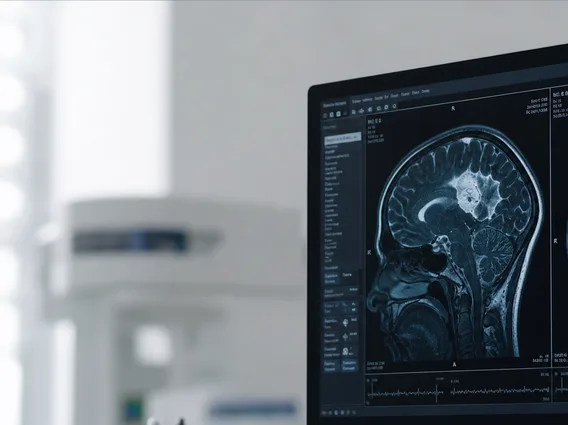
Effective radiation necrosis diagnosis treatment relies on accurately differentiating it from tumor recurrence, as their management strategies differ significantly. The diagnostic process typically begins with advanced imaging. Magnetic Resonance Imaging (MRI) is the cornerstone, often including specialized sequences such as perfusion MRI and MR spectroscopy, which can help distinguish between active tumor growth and necrotic tissue based on metabolic and blood flow characteristics. Positron Emission Tomography (PET) scans, particularly with specific tracers, can also aid in this differentiation. In some cases, a stereotactic biopsy may be necessary to obtain tissue for pathological examination to confirm the diagnosis definitively.
Treatment for radiation necrosis is primarily aimed at alleviating symptoms, reducing inflammation, and preserving neurological function. Common therapeutic approaches include:
- Corticosteroids: Medications like dexamethasone are often used to reduce brain swelling and inflammation, providing symptomatic relief.
- Anti-angiogenic Agents: Bevacizumab, a monoclonal antibody, has shown efficacy in reducing edema and improving symptoms by targeting vascular endothelial growth factor (VEGF), which plays a role in the pathogenesis of radiation necrosis.
- Hyperbaric Oxygen Therapy (HBOT): This therapy involves breathing pure oxygen in a pressurized chamber, which can promote healing and reduce tissue damage in some patients.
- Surgical Resection: For localized and symptomatic lesions that do not respond to medical management, surgical removal of the necrotic tissue may be considered to relieve mass effect and improve neurological function.
The choice of treatment depends on the severity of symptoms, the size and location of the lesion, and the patient’s overall health. A multidisciplinary team approach, involving neuro-oncologists, radiation oncologists, and neurosurgeons, is often crucial for optimal management.



















