
Radiation Fibrosis
Radiation Fibrosis is a significant late-onset complication that can arise after radiation therapy, a common treatment for various cancers. It involves the progressive hardening and scarring of tissues in the irradiated area, leading to a range of functional impairments.
Key Takeaways
- Radiation Fibrosis is a chronic, progressive hardening of tissues resulting from radiation therapy.
- It can manifest months to years after treatment, affecting various body parts depending on the radiation site.
- Symptoms vary widely but often include pain, stiffness, reduced mobility, and organ dysfunction.
- Diagnosis relies on clinical examination, patient history, and imaging studies.
- Treatment primarily focuses on managing symptoms, improving function, and preventing further progression, as the condition is often irreversible.
What is Radiation Fibrosis?
Radiation Fibrosis refers to a pathological process characterized by the excessive accumulation of fibrous connective tissue in areas previously exposed to therapeutic radiation. This condition is a chronic and progressive side effect of radiation therapy, which is used to destroy cancer cells. While radiation is effective in targeting tumors, it can also damage healthy surrounding tissues, leading to a cascade of cellular and molecular events that culminate in fibrosis. The development of this condition can occur months, or even years, after the completion of radiation treatment, making it a long-term concern for cancer survivors.
The underlying causes of radiation fibrosis involve a complex interplay of factors, including direct cellular damage, chronic inflammation, and impaired tissue repair mechanisms. Radiation exposure can activate fibroblasts, cells responsible for producing collagen, leading to an overproduction and deposition of collagen fibers. This process stiffens and thickens tissues, reducing their elasticity and functionality. The severity and location of radiation fibrosis depend on several factors, such as the total radiation dose, the fraction size, the volume of tissue irradiated, and individual patient sensitivities.
Recognizing Radiation Fibrosis: Symptoms and Diagnosis
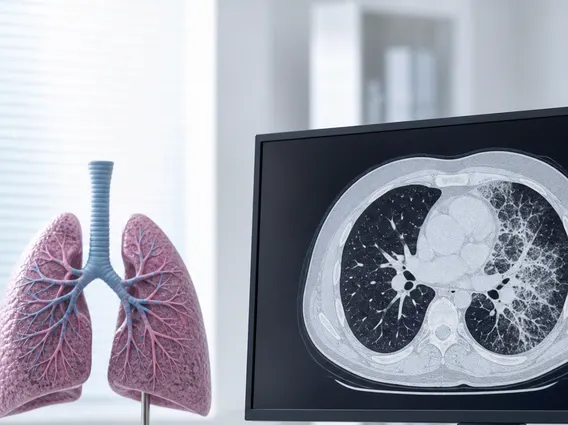
Recognizing radiation fibrosis symptoms is crucial for early intervention and management. The specific manifestations of radiation fibrosis are highly dependent on the body part that received radiation. For instance, radiation to the head and neck can lead to trismus (difficulty opening the mouth), dysphagia (difficulty swallowing), and lymphedema. Radiation to the chest may cause lung fibrosis, leading to shortness of breath, or esophageal strictures. Pelvic radiation can result in bowel or bladder dysfunction.
Common symptoms across various affected areas may include:
- Persistent pain or discomfort in the irradiated region.
- Stiffness, tightness, or a feeling of hardening in the affected tissues.
- Reduced range of motion in joints or limbs.
- Swelling (lymphedema) due to impaired lymphatic drainage.
- Functional impairment of organs, such as difficulty breathing, swallowing, or bowel/bladder control.
- Skin changes, including thickening, discoloration, or ulceration.
Diagnosis typically involves a thorough clinical examination, a detailed review of the patient’s radiation therapy history, and imaging studies such as MRI, CT scans, or ultrasound. These imaging techniques can help visualize the extent of tissue scarring and assess organ involvement. In some cases, a biopsy of the affected tissue may be performed to confirm the diagnosis and rule out other conditions.
Managing and Treating Radiation Fibrosis
Managing and radiation fibrosis treatment often focuses on alleviating symptoms, improving functional capacity, and preventing further progression, as the condition is largely irreversible. A multidisciplinary approach involving oncologists, physical therapists, pain management specialists, and other relevant specialists is often beneficial.
Treatment strategies can include:
- Physical Therapy and Rehabilitation: Exercises, stretching, and manual therapy can help improve range of motion, reduce stiffness, and manage pain. Occupational therapy may assist with adapting daily activities.
- Medications: Pharmacological interventions may include anti-inflammatory drugs, pain relievers, and specific agents like pentoxifylline and vitamin E, which have been studied for their potential to reduce fibrosis by improving blood flow and reducing inflammation.
- Topical Treatments: Creams or ointments may be used for skin-related symptoms.
- Surgical Interventions: In severe cases where fibrosis causes significant functional impairment or organ obstruction, surgical procedures may be considered to release scar tissue, reconstruct affected areas, or implant devices to aid function.
- Lymphedema Management: For patients experiencing lymphedema, specialized therapies such as manual lymphatic drainage, compression garments, and exercise are essential.
It is important to note that any information regarding alternative or complementary therapies should be considered supportive only and does not replace conventional medical treatment. Patients should always consult with their healthcare providers to develop a comprehensive and individualized treatment plan.



















