Epidermolysis Bullosa
Epidermolysis Bullosa (EB) is a group of rare genetic disorders characterized by extremely fragile skin and mucous membranes that blister and tear from minor friction or trauma. This debilitating condition can significantly impact a person’s quality of life, often requiring extensive daily care.
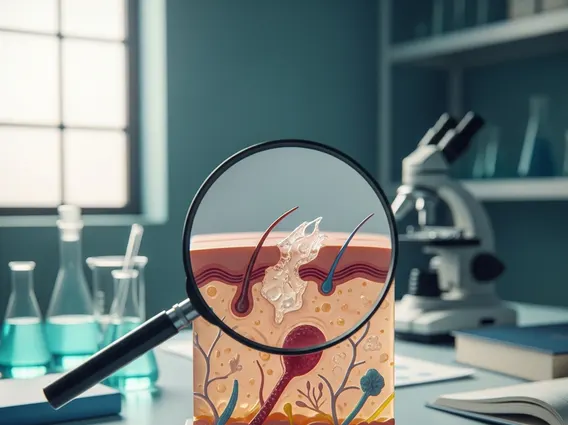
Key Takeaways
- Epidermolysis Bullosa is a rare genetic disorder causing fragile skin and blistering.
- It results from mutations in genes responsible for producing proteins that bind skin layers together.
- Symptoms range from mild blistering to severe, widespread wounds affecting internal organs.
- There are several main types, including Epidermolysis Bullosa Simplex, Dystrophic Epidermolysis Bullosa, Junctional Epidermolysis Bullosa, and Kindler Syndrome.
- Treatment focuses on wound care, pain management, infection prevention, and supportive therapies, with ongoing research for curative options.
What is Epidermolysis Bullosa?
Epidermolysis Bullosa refers to a group of inherited disorders that cause the skin to be extremely fragile, leading to recurrent blistering and tearing with minimal friction or trauma. These conditions arise from genetic mutations that disrupt the production of proteins essential for anchoring the layers of the skin together. Consequently, the skin’s outer layers separate easily, forming painful blisters and open wounds. According to the National Institutes of Health, Epidermolysis Bullosa affects approximately 1 in 50,000 live births in the United States, with an estimated global prevalence of around 500,000 people.
The severity of Epidermolysis Bullosa varies widely, from mild cases where blistering is limited to hands and feet, to severe forms that can affect large areas of the body, including internal linings such as the mouth, esophagus, and digestive tract. This can lead to significant complications, including malnutrition, infection, and chronic pain, profoundly impacting daily life and requiring specialized medical care.
Understanding Epidermolysis Bullosa: Symptoms, Causes, and Types
The manifestations of Epidermolysis Bullosa can differ significantly depending on the specific genetic mutation and the type of EB. Common epidermolysis bullosa symptoms and causes stem from the skin’s inability to withstand mechanical stress. The primary symptom across all types is fragile skin that blisters easily. Other symptoms can include:
- Painful blisters on the skin, often filled with fluid.
- Thickened skin on the palms and soles (hyperkeratosis).
- Nail abnormalities, including thickening, disfigurement, or loss of nails.
- Dental problems, such as enamel defects and tooth decay.
- Scarring, which can lead to fusion of fingers and toes (mitten deformities).
- Difficulty eating and swallowing due to blistering in the mouth and esophagus.
- Anemia and malnutrition due to chronic inflammation and impaired nutrient absorption.
- Increased risk of skin infections and, in severe cases, squamous cell carcinoma.
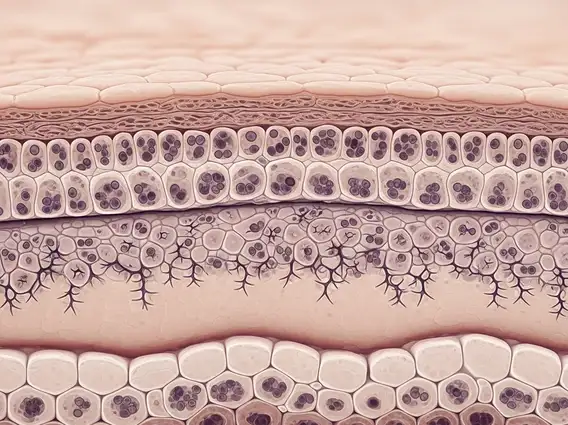
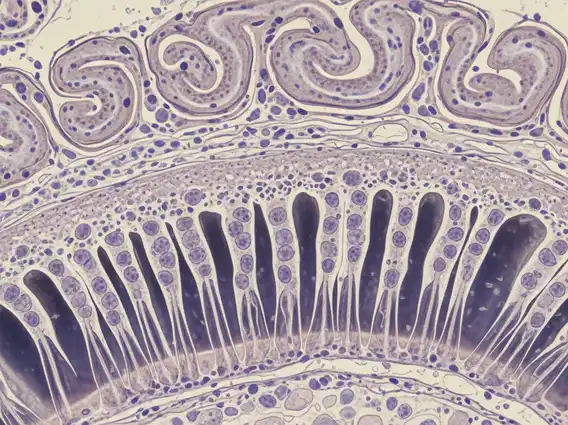
The underlying cause of Epidermolysis Bullosa is genetic. It is caused by mutations in genes that provide instructions for making proteins that form the structural components of the skin, such as collagen, laminin, and keratin. These proteins are crucial for maintaining the integrity and adhesion between the epidermis (outer layer) and the dermis (inner layer) of the skin. When these proteins are defective or absent, the skin becomes fragile and prone to blistering.
There are four main types of Epidermolysis Bullosa, classified based on the layer of skin where blistering occurs and the specific gene mutation involved. These include Epidermolysis Bullosa Simplex (EBS), which causes blistering within the epidermis; Junctional Epidermolysis Bullosa (JEB), where blistering occurs at the junction between the epidermis and dermis; Dystrophic Epidermolysis Bullosa (DEB), characterized by blistering below the junction, within the dermis; and Kindler Syndrome, which involves blistering at multiple levels. Each type has varying degrees of severity and specific clinical features.
Epidermolysis Bullosa Treatment and Management
Currently, there is no definitive cure for Epidermolysis Bullosa, so Epidermolysis Bullosa treatment options focus primarily on managing symptoms, preventing complications, and improving the patient’s quality of life. Treatment is highly individualized and often involves a multidisciplinary team of specialists, including dermatologists, wound care nurses, pain management specialists, nutritionists, and genetic counselors. Key aspects of management include meticulous wound care to prevent infection and promote healing, which may involve specialized dressings and bandages.
Pain management is crucial, often requiring oral medications, and nutritional support is vital to combat malnutrition and promote healing, sometimes necessitating feeding tubes. Physical and occupational therapy can help maintain mobility and prevent contractures. Surgical interventions may be required for complications such as fused digits or esophageal strictures. Research into gene therapy, cell-based therapies, and protein replacement therapies offers promising avenues for future treatments, aiming to correct the underlying genetic defects or replace missing proteins to strengthen the skin.