
Epidermal Growth Factor Receptor Gene
The Epidermal Growth Factor Receptor (EGFR) gene plays a crucial role in regulating cell growth, division, and survival. Understanding its function is vital, particularly in the context of various diseases, including cancer.
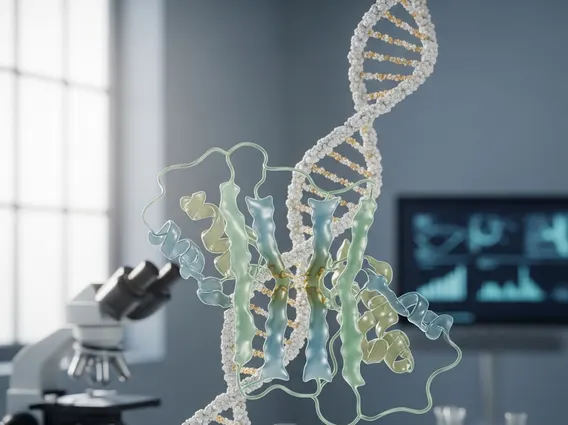
Key Takeaways
- The Epidermal Growth Factor Receptor (EGFR) gene codes for a protein that acts as a receptor on cell surfaces.
- This receptor is essential for normal cellular processes like growth, proliferation, and differentiation.
- Mutations in the EGFR gene can lead to uncontrolled cell growth, contributing to cancer development.
- EGFR mutations are significant biomarkers in certain cancers, guiding targeted therapy decisions.
- Targeted therapies specifically designed to block mutated EGFR pathways have improved outcomes for many cancer patients.
What is the Epidermal Growth Factor Receptor (EGFR) Gene?
The Epidermal Growth Factor Receptor Gene, often abbreviated as EGFR gene, is a gene located on chromosome 7 in humans. This gene provides instructions for making a protein called the Epidermal Growth Factor Receptor (EGFR). The EGFR protein is a type of receptor tyrosine kinase, meaning it’s a protein found on the surface of cells that can bind to specific growth factors, such as epidermal growth factor (EGF).
When EGF or similar growth factors bind to the EGFR protein, it triggers a cascade of signaling pathways inside the cell. These pathways are critical for various cellular functions, including cell growth, proliferation (cell division), differentiation (specialization of cells), and survival. Essentially, the epidermal growth factor receptor gene explained is a master switch for cell communication and development, ensuring cells grow and divide appropriately under normal physiological conditions.
Function and Clinical Importance of the EGFR Gene
The normal EGFR gene function and role involves maintaining cellular homeostasis by precisely regulating cell signaling. It acts like an antenna, receiving external signals that tell the cell when to grow, divide, or repair itself. This tightly controlled process is fundamental for tissue development, wound healing, and the replacement of old cells.
However, mutations in the EGFR gene can disrupt this delicate balance. These mutations can lead to an overactive EGFR protein that signals continuously, even in the absence of growth factors. This unchecked signaling promotes uncontrolled cell growth and division, a hallmark of cancer. The importance of EGFR gene in oncology is profound because these mutations are frequently found in several types of cancer, most notably non-small cell lung cancer (NSCLC).
For instance, activating EGFR mutations are present in approximately 10-15% of NSCLC patients in Western populations and up to 50% in East Asian populations, according to data from the National Cancer Institute. Identifying these specific mutations through genetic testing is crucial because it allows for personalized treatment strategies. Patients with EGFR-mutated cancers can often benefit from targeted therapies, such as tyrosine kinase inhibitors (TKIs), which specifically block the activity of the mutated EGFR protein, thereby inhibiting cancer cell growth and improving patient outcomes. These targeted therapies represent a significant advance, moving away from conventional chemotherapy to more precise interventions that leverage the understanding of specific genetic alterations.
Beyond NSCLC, EGFR mutations or overexpression can also be observed in other cancers, including:
- Colorectal cancer
- Head and neck squamous cell carcinoma
- Glioblastoma
- Breast cancer
The development of drugs that specifically target EGFR has revolutionized cancer treatment for many patients, highlighting the critical role of the EGFR gene as a therapeutic target in precision medicine.



















