Hereditary Hemochromatosis
Hereditary hemochromatosis is a genetic disorder characterized by the body absorbing too much iron from the diet, leading to iron overload. This excess iron can accumulate in various organs, potentially causing serious health problems if left untreated.
Key Takeaways
- What is hereditary hemochromatosis: An inherited condition causing excessive iron absorption and accumulation in the body.
- It is primarily caused by genetic mutations, most commonly in the HFE gene.
- Hereditary hemochromatosis symptoms often appear in middle age and can include fatigue, joint pain, and liver issues.
- Early diagnosis is crucial to prevent organ damage from iron overload.
- The main hereditary hemochromatosis treatment is therapeutic phlebotomy, which involves regularly removing blood to reduce iron levels.
What is Hereditary Hemochromatosis?
What is hereditary hemochromatosis refers to an inherited disorder where the body absorbs an excessive amount of iron from the digestive tract. This surplus iron is then stored in organs such as the liver, heart, pancreas, and joints. Over time, this iron buildup can become toxic, leading to organ damage and a range of health complications.
This condition is one of the most common genetic disorders in people of Northern European descent. According to the Centers for Disease Control and Prevention (CDC), approximately 1 in 300 non-Hispanic whites in the United States have two copies of the C282Y mutation, which is the most common genetic cause of hemochromatosis. While many individuals with the genetic predisposition may not develop severe symptoms, early detection and management are vital to prevent irreversible organ damage.
Symptoms and Causes of Hemochromatosis
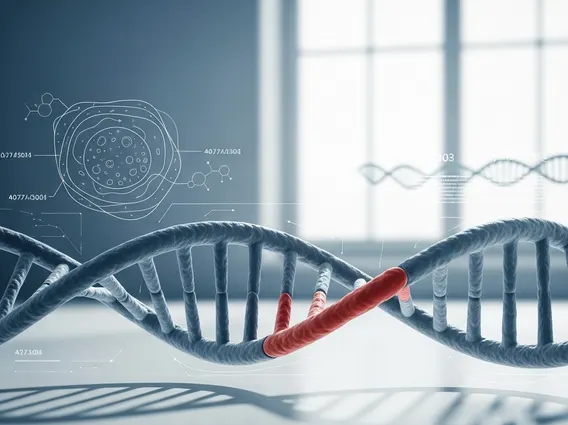
The primary causes of hereditary hemochromatosis are genetic mutations, most commonly in the HFE gene. Individuals inherit two copies of the mutated gene (one from each parent) to develop the condition. The most frequent mutations are C282Y and H63D. These genetic changes disrupt the body’s ability to regulate iron absorption, leading to a gradual accumulation of iron over many years.
Hereditary hemochromatosis symptoms can be varied and often do not manifest until significant iron accumulation has occurred, typically between ages 40 and 60 for men and after menopause for women. Symptoms are often non-specific, making early diagnosis challenging. Common symptoms include:
- Chronic fatigue and weakness
- Joint pain, particularly in the knuckles of the first two fingers
- Abdominal pain
- Liver problems, which can progress to cirrhosis or liver cancer
- Heart problems, such as cardiomyopathy or irregular heartbeats
- Diabetes, due to iron damage to the pancreas
- Skin darkening, often described as a “bronze” or grayish tint
- Loss of libido or impotence in men, and irregular periods in women
Because symptoms are often vague and mimic other conditions, hemochromatosis is sometimes diagnosed incidentally through routine blood tests that show elevated iron levels.
Treatment for Hereditary Hemochromatosis
The primary hereditary hemochromatosis treatment aims to reduce iron levels in the body and prevent or reverse organ damage. The most common and effective treatment is therapeutic phlebotomy, which is essentially a controlled bloodletting procedure similar to donating blood.
During phlebotomy, a pint of blood is removed from the body, which helps to reduce the total iron stores. Initially, phlebotomy may be performed weekly or bi-weekly until iron levels, specifically ferritin, return to a normal range. Once iron levels are normalized, maintenance phlebotomy is typically required every 2 to 4 months for life to prevent iron re-accumulation. Regular monitoring of iron levels is crucial to guide the frequency of treatment.
In cases where phlebotomy is not possible due to other health conditions, iron chelation therapy may be used. This involves medications that bind to iron in the body, allowing it to be excreted. Additionally, individuals with hereditary hemochromatosis are often advised to avoid iron supplements, multivitamins containing iron, and excessive alcohol consumption, as these can exacerbate iron overload and liver damage. Dietary changes, such as limiting red meat and avoiding raw shellfish, may also be recommended to support overall management of the condition.