External Right Atrial Catheter
An External Right Atrial Catheter is a vital medical device used in various clinical settings to provide direct access to the heart’s right atrium. This article offers a comprehensive overview, explaining its function, applications, and essential patient considerations.
Key Takeaways
- An External Right Atrial Catheter provides direct venous access to the right atrium for medication, fluid, or monitoring.
- It is crucial for long-term treatments like chemotherapy, parenteral nutrition, and hemodialysis.
- The catheter works by being inserted into a large vein and advanced into the right atrium, allowing for efficient delivery or sampling.
- Proper patient care, including site maintenance and complication awareness, is essential for its safe and effective use.
- Regular monitoring and adherence to medical guidelines are vital for patients with this type of catheter.
What is an External Right Atrial Catheter?
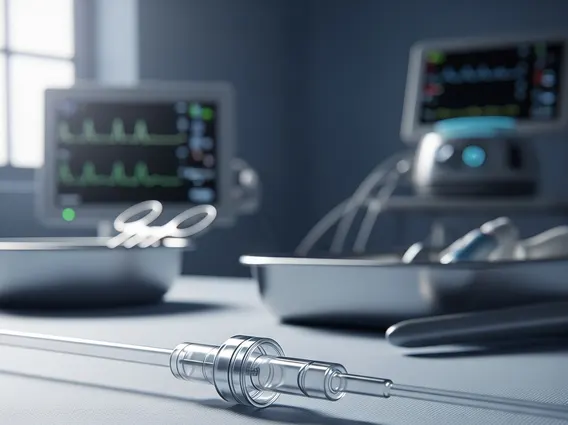
The term what is External Right Atrial Catheter refers to a type of central venous catheter specifically designed to terminate in the right atrium of the heart, with its external portion accessible outside the body. This medical device provides a reliable and long-term access point to the central venous system. The External right atrial catheter explanation involves understanding its structure, which typically includes a flexible tube inserted into a large vein, such as the subclavian, jugular, or femoral vein, and then carefully guided into the right atrium. This placement allows for the direct and efficient administration of medications, fluids, and nutrients, as well as the withdrawal of blood samples for diagnostic purposes. Its design often includes multiple lumens, enabling simultaneous delivery of different therapies without requiring multiple venipunctures.
Purpose and How the Catheter Works
The primary purpose of an external right atrial catheter is to facilitate long-term intravenous access when peripheral veins are unsuitable or when therapies require central venous delivery. What is external right atrial catheter used for includes a range of critical medical applications. For instance, it is frequently employed for extended courses of chemotherapy, prolonged antibiotic treatments, total parenteral nutrition (TPN), and for patients requiring frequent blood transfusions or hemodialysis. The mechanism of How does external right atrial catheter work involves its careful insertion by a trained healthcare professional. After local anesthesia, the catheter is threaded through a large vein, with its tip positioned within the right atrium. This central placement ensures rapid dilution of administered substances, minimizing irritation to smaller veins and reducing the risk of phlebitis. The external portion of the catheter is then secured to the skin, often tunneled under the skin for a short distance to create a barrier against infection, and capped with sterile connectors for access.
- Long-term administration of medications (e.g., chemotherapy, antibiotics)
- Delivery of total parenteral nutrition (TPN)
- Frequent blood sampling for diagnostic tests
- Hemodialysis access
- Monitoring central venous pressure
Patient Care and Considerations
For patients with this device, a comprehensive External right atrial catheter patient guide is crucial for ensuring safety and preventing complications. Proper care involves meticulous site management to prevent infection, which is a significant risk. Patients and caregivers are instructed on how to keep the insertion site clean and dry, typically involving regular dressing changes using sterile techniques. It is also vital to monitor for signs of infection, such as redness, swelling, pain, pus, or fever, and to report them immediately to a healthcare provider. Patients must also be educated on how to protect the catheter from damage or dislodgement, avoiding activities that could pull on the line. Flushing the catheter regularly, as prescribed, is essential to maintain patency and prevent blockages. Understanding the potential complications, such as infection, thrombosis, or catheter malfunction, empowers patients to seek timely medical attention. Adherence to these guidelines significantly contributes to the catheter’s longevity and the patient’s overall well-being during treatment.