Cryotherapy
Cryotherapy is a medical and wellness treatment that involves exposing the body, or parts of it, to extremely cold temperatures for a short duration. This technique has gained attention for its potential to alleviate various conditions and enhance recovery.
Key Takeaways
- Cryotherapy involves brief, controlled exposure to sub-zero temperatures, typically using liquid nitrogen vapor or refrigerated air.
- The primary mechanism involves triggering physiological responses like vasoconstriction, nerve signal reduction, and anti-inflammatory effects.
- Potential benefits of cryotherapy include pain relief, reduced inflammation, and accelerated muscle recovery.
- Common cryotherapy side effects are temporary skin redness, numbness, and tingling, with more severe risks being rare when administered correctly.
- Individuals with underlying health conditions should consult a healthcare professional before undergoing cryotherapy.
What is Cryotherapy?
What is cryotherapy refers to the therapeutic application of cold temperatures to the body. This method intentionally lowers skin temperature to stimulate physiological responses that are believed to promote healing and well-being. It can be administered in various forms, including whole-body cryotherapy (WBC) in specialized chambers, localized cryotherapy targeting specific areas, and cryofacials for skin rejuvenation.
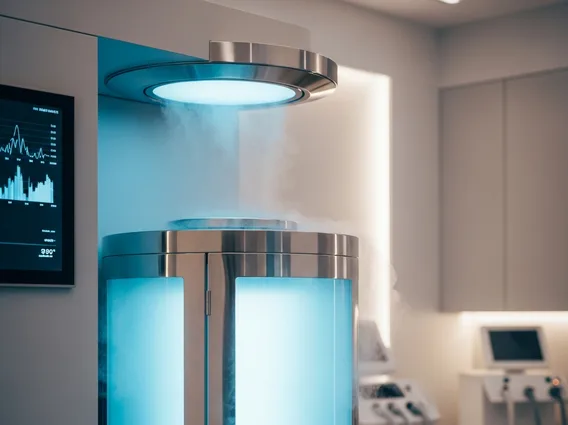
How does cryotherapy work? The process typically involves exposing the body to temperatures ranging from -110°C to -140°C (-166°F to -220°F) for two to four minutes. This extreme cold causes rapid vasoconstriction, where blood vessels narrow, redirecting blood flow to the body’s core. Upon exiting the cold environment, the blood vessels rapidly dilate (vasodilation), allowing oxygenated blood rich in nutrients to return to the peripheral tissues. This rapid constriction and dilation are thought to reduce inflammation, decrease pain signals by numbing nerve endings, and promote the release of endorphins. The cold exposure is often achieved using liquid nitrogen vapor or electrically cooled air in a controlled setting.
Benefits of Cryotherapy
The reported benefits of cryotherapy span several areas, primarily focusing on pain management, inflammation reduction, and recovery. Athletes often utilize cryotherapy for muscle soreness and faster recovery after intense training or injury. For instance, a review of studies published in the *Journal of Sports Science & Medicine* indicated that whole-body cryotherapy might help reduce muscle damage and improve recovery in athletes, though more comprehensive research is still needed to standardize protocols and confirm long-term effects.
Beyond athletic recovery, cryotherapy is explored for its potential in managing chronic pain conditions such as rheumatoid arthritis and fibromyalgia, by reducing inflammation and alleviating discomfort. Some users also report improvements in skin conditions and mood enhancement due to the release of endorphins triggered by the cold exposure.
Cryotherapy Side Effects
While generally considered safe when administered by trained professionals, there are potential cryotherapy side effects. The most common immediate effects are temporary skin redness, numbness, tingling, and a prickling sensation, which typically subside within minutes after the session. Rarely, if proper precautions are not taken, more severe reactions like frostbite or cold burns can occur, particularly if skin is wet or jewelry is worn during the session.
Individuals with certain health conditions should avoid cryotherapy. Contraindications include pregnancy, severe hypertension, heart conditions, Raynaud’s disease, cold allergies, and open wounds. It is crucial to consult with a healthcare professional before undergoing cryotherapy, especially if you have any pre-existing medical conditions, to ensure it is a safe and appropriate treatment option for you.