Polyethylene Glycol
Polyethylene Glycol (PEG) is a versatile synthetic polymer widely utilized across various sectors, particularly in medicine, cosmetics, and industrial applications. Its unique chemical properties make it an invaluable component in numerous formulations and processes.
Key Takeaways
- Polyethylene Glycol (PEG) is a synthetic, water-soluble polymer with a wide range of molecular weights and applications.
- It serves as an effective laxative, a crucial component in drug delivery systems, and an excipient in pharmaceutical formulations.
- PEG is generally considered safe for its approved uses, but potential side effects such as gastrointestinal discomfort or rare allergic reactions can occur.
- Its biocompatibility and low toxicity contribute to its extensive use in medical, cosmetic, and industrial products.
What is Polyethylene Glycol (PEG)?
Polyethylene Glycol (PEG) refers to a polyether compound derived from petroleum with a wide range of molecular weights. It is a synthetic polymer known for its hydrophilic (water-loving) properties and biocompatibility. Depending on its molecular weight, PEG can exist as a clear, viscous liquid or a waxy solid. Its chemical structure, consisting of repeating ethylene glycol units, allows it to dissolve readily in water and many organic solvents, making it highly versatile.
In medical and clinical contexts, Polyethylene Glycol is valued for its inertness and ability to modify the properties of other molecules. It is often used to enhance the solubility and stability of drugs, reduce their immunogenicity, and prolong their circulation time in the body, a process known as PEGylation. This adaptability makes it a fundamental component in various pharmaceutical and biotechnological applications.
What is Polyethylene Glycol Used For?
Polyethylene Glycol is employed in a diverse array of applications due to its unique physical and chemical characteristics. Its utility spans from medical treatments to everyday consumer products.
The Polyethylene glycol common applications include:
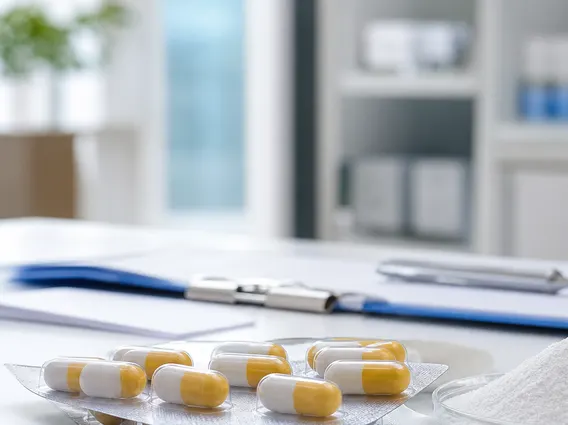
- Laxatives: High molecular weight PEG is a common osmotic laxative, drawing water into the colon to soften stool and facilitate bowel movements, widely used for treating constipation.
- Drug Delivery: PEGylation, the process of attaching PEG to therapeutic proteins or small molecules, improves drug solubility, stability, and extends their half-life in the body, enhancing drug efficacy and reducing dosing frequency.
- Excipients: It acts as a solvent, binder, lubricant, or plasticizer in pharmaceutical tablets, capsules, and topical formulations.
- Medical Devices: Used as a coating for medical devices and implants to improve biocompatibility and reduce protein adsorption.
- Cosmetics and Personal Care: Functions as a humectant, emulsifier, and solvent in creams, lotions, and toothpastes.
- Industrial Applications: Employed as a lubricant, dispersant, and anti-foaming agent in various industrial processes.
Its ability to be customized by molecular weight allows for tailored applications, from low molecular weight PEGs used as solvents to high molecular weight PEGs used in bowel preparations.
Safety, Benefits, and Potential Risks of Polyethylene Glycol
Understanding the Polyethylene glycol benefits and risks is crucial for its appropriate use. Its widespread adoption in medicine and consumer products is largely due to its favorable safety profile and numerous advantages.
Benefits of Polyethylene Glycol include its generally low toxicity, biocompatibility, and inertness, meaning it typically does not react with other substances in the body. In pharmaceuticals, PEGylation can significantly improve drug performance by enhancing solubility, reducing immunogenicity, and extending the drug’s half-life. As a laxative, it is highly effective for treating chronic constipation with minimal systemic absorption.
However, potential risks and side effects can occur. When used orally as a laxative, common side effects may include gastrointestinal discomfort such as nausea, bloating, abdominal cramps, and gas. More rarely, individuals may experience allergic reactions, ranging from skin rashes to severe anaphylaxis, particularly with intravenous administration or in individuals with pre-existing allergies to PEG. It’s important to use PEG products as directed and consult a healthcare professional if adverse reactions occur.
Is Polyethylene Glycol Safe to Use?
Polyethylene Glycol is generally considered safe for its approved uses when administered correctly. Regulatory bodies, such as the U.S. Food and Drug Administration (FDA), have approved various PEG formulations for medical and pharmaceutical applications, attesting to its safety profile under specific conditions. The safety of PEG depends on factors such as its molecular weight, the route of administration, the specific formulation, and individual patient sensitivities. For instance, oral forms used as laxatives are designed for minimal systemic absorption, while intravenous forms are carefully formulated for compatibility with the bloodstream.
Despite its general safety, it is always advisable to consult a healthcare professional before using any medication containing Polyethylene Glycol, especially for long-term use, in children, or if you have underlying health conditions or known allergies. This ensures appropriate use and minimizes potential risks.