Pro
In the medical and clinical landscape, the term Pro frequently appears as a prefix or an abbreviation, signifying a wide array of concepts from biological processes to diagnostic markers and therapeutic strategies. Understanding its context is crucial for accurate interpretation within healthcare.

Key Takeaways
- Pro is a versatile element in medical terminology, often serving as a prefix or part of an abbreviation.
- It can denote concepts such as “before,” “forward,” “in favor of,” or refer to specific biological entities like proteins or the prostate gland.
- The meaning of Pro varies significantly based on the specific medical term it is part of, requiring contextual understanding.
- Medical applications involving “Pro” terms include prognosis, prophylaxis, and the study of proteins or progenitor cells.
- The pros and cons explained in this context relate to the implications of the full medical terms, such as benefits of early diagnosis or risks of certain treatments.
What is Pro: Medical Definition and Applications
In medicine, Pro is not a standalone disease or condition but rather a foundational component of numerous terms. Its pro definition and usage are diverse, often indicating a precursor state, a forward-moving process, or an association with specific biological structures or functions. For instance, it can refer to a protein, a progenitor cell, or a process that occurs “before” a main event.
The applications of terms containing “Pro” are extensive across various medical disciplines. In oncology, “prognosis” refers to the likely course of a disease, while “prostate” relates to a gland frequently implicated in cancer. In pharmacology, “prodrugs” are inactive compounds that become active after metabolism, designed to improve drug delivery or reduce toxicity. Understanding these nuances is essential for clinicians and researchers alike.
What Does Pro Stand For?
The phrase “what does Pro stand for” does not have a single, universal answer in medicine, as its meaning is highly context-dependent. It frequently functions as a prefix derived from Greek or Latin, conveying ideas such as “before,” “in front of,” “forward,” or “in favor of.” For example:
- Prognosis: Derived from Greek, meaning “fore-knowing,” indicating the probable outcome of a disease.
- Prophylaxis: Meaning “to guard before,” referring to measures taken to prevent disease.
- Progenitor cells: Cells that have the capacity to differentiate into specific cell types, moving “forward” in development.
- Protein: A macronutrient essential for building and repairing tissues, where “pro” signifies its primary importance.
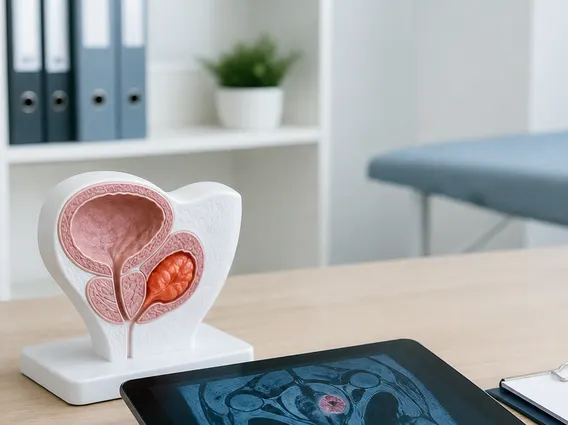
- Prostate: A gland in the male reproductive system, named for its position “in front of” the bladder.
The meaning of Pro, therefore, is not fixed but rather adapts to the specific medical term it modifies, making precise contextual understanding paramount for accurate medical communication and practice.
Benefits and Risks of Pro
When considering the pros and cons explained in relation to “Pro” in a medical context, it’s important to understand that these benefits and risks are associated with the full medical terms that incorporate “Pro,” rather than the prefix itself. For example, discussing the “pros” of a good prognosis or the “cons” of a pro-inflammatory state.
The benefits often stem from the diagnostic or therapeutic implications of these terms. For instance, a clear prognosis allows for informed patient and family planning, while prophylactic treatments can significantly reduce disease incidence. Early identification of progenitor cell abnormalities can lead to timely interventions. Conversely, the risks can include potential side effects of prophylactic medications, the psychological burden of a poor prognosis, or the detrimental effects of chronic pro-inflammatory processes on tissues and organs. For example, chronic inflammation is linked to various diseases, including cardiovascular disease and cancer, as highlighted by organizations like the World Health Organization (WHO) in their reports on non-communicable diseases.