Peripherally Inserted Central Catheter
A Peripherally Inserted Central Catheter (PICC) is a vital medical device used for delivering long-term treatments directly into a patient’s bloodstream. This article provides essential information about what a PICC is, how it functions, and its various applications in patient care.
Key Takeaways
- A PICC is a thin, flexible tube inserted into a peripheral vein, typically in the arm, and advanced to a large vein near the heart.
- It provides long-term intravenous access for medications, fluids, nutrition, and blood sampling, avoiding repeated needle sticks.
- PICC lines are commonly used for treatments lasting weeks or months, such as chemotherapy, antibiotics, and parenteral nutrition.
- Proper care and maintenance are crucial to prevent complications like infection or occlusion.
What is a Peripherally Inserted Central Catheter (PICC)?
A Peripherally Inserted Central Catheter (PICC) is a long, thin, flexible tube that healthcare professionals insert into a peripheral vein, usually in the upper arm. The catheter is then carefully threaded through the vein until its tip rests in a large central vein near the heart, typically the superior vena cava. This placement allows for the safe and efficient delivery of substances directly into the bloodstream, bypassing smaller, more fragile veins.
The PICC line definition and uses highlight its role as a form of central venous access. Unlike standard intravenous (IV) lines that are placed in smaller veins for short-term use, a PICC line is designed for treatments that extend over weeks or months. Its central placement ensures rapid dilution of medications, reducing irritation to blood vessel walls and allowing for the administration of substances that would be too harsh for peripheral veins.
How Does a PICC Line Work?
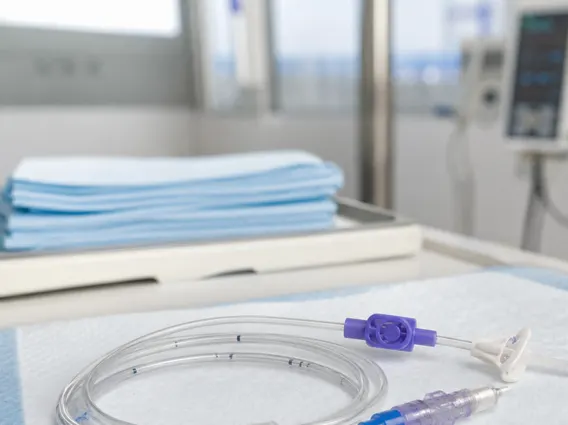
The functionality of a PICC line revolves around its strategic placement and design. After insertion into a peripheral vein, the catheter travels through the venous system until its tip reaches a large central vein. This provides a direct pathway to the heart, enabling medications, fluids, and nutrients to be quickly distributed throughout the body. The external part of the PICC line includes one or more lumens (small tubes) that connect to an external hub, allowing for multiple infusions simultaneously without mixing.
Once the PICC line is in place, it can be used for various medical interventions. Medications, such as long-term antibiotics or chemotherapy drugs, are administered through the lumens. Blood samples can also be drawn from the PICC, reducing the need for repeated venipunctures. Each lumen is typically capped with a sterile connector and flushed regularly with saline or an anticoagulant solution to prevent blockages and maintain patency, ensuring the line remains functional for the duration of treatment.
Uses and Important Information About PICC Lines
PICC lines are indispensable for patients requiring extended intravenous therapy. The primary peripherally inserted central catheter information emphasizes its utility in situations where peripheral IV access is insufficient or impractical. Common uses include:
- Long-term Antibiotic Therapy: For infections requiring weeks of intravenous antibiotics, such as osteomyelitis or endocarditis.
- Chemotherapy: Delivering potent chemotherapy drugs that can damage smaller veins or require continuous infusion.
- Parenteral Nutrition: Providing total parenteral nutrition (TPN) for patients unable to eat or absorb nutrients through the digestive system.
- Extended Hydration: Administering fluids for chronic dehydration or electrolyte imbalances.
- Frequent Blood Draws: Facilitating regular blood tests without the need for repeated needle sticks.
While highly beneficial, proper care is essential to prevent complications. This includes maintaining a sterile dressing over the insertion site, regular flushing of the lumens, and monitoring for signs of infection such as redness, swelling, pain, or fever. Patients and caregivers receive detailed instructions on how to care for the PICC line at home to ensure its safety and effectiveness throughout the treatment period.