
Ovarian
Ovarian refers to aspects related to the ovaries, essential female reproductive organs. Understanding their anatomy, function, and common conditions is crucial for maintaining overall health.
Key Takeaways
- Ovaries are vital for producing eggs and key female hormones.
- Common conditions include cysts, Polycystic Ovary Syndrome (PCOS), and endometriosis, each with distinct symptoms.
- Recognizing symptoms early is key for timely diagnosis and treatment.
- Regular medical check-ups and a healthy lifestyle support ovarian well-being.
What is Ovarian: Anatomy and Function
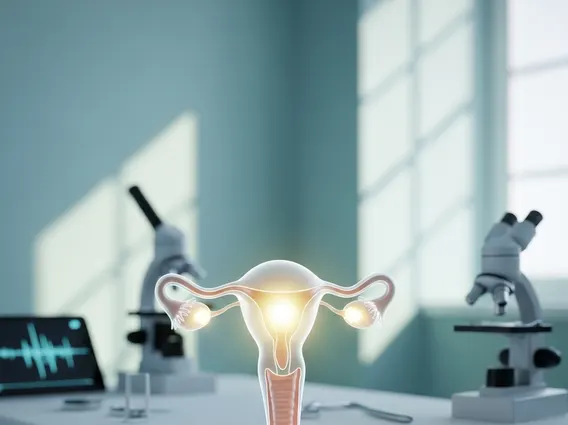
Ovarian refers to anything pertaining to the ovaries, which are a pair of small, almond-shaped glands located on either side of the uterus in the female pelvis. These vital organs are connected to the uterus by the fallopian tubes.
The ovaries serve two primary functions crucial for female reproductive health: producing eggs (ova) for reproduction and synthesizing key female hormones, primarily estrogen and progesterone. These hormones are instrumental in regulating the menstrual cycle, supporting pregnancy, and contributing to the development and maintenance of female secondary sexual characteristics. Each month during a woman’s reproductive years, one ovary typically releases a mature egg in a process known as ovulation, which is essential for potential fertilization.
Common Ovarian Conditions and Their Symptoms
There are several common ovarian conditions explained that can affect women’s health, ranging from benign growths to more complex hormonal disorders.
One of the most frequent issues is ovarian cysts, fluid-filled sacs that develop on or within an ovary. While most are harmless and resolve on their own, some can cause pain or complications. It’s estimated that many women will develop at least one ovarian cyst during their lifetime, often without symptoms. (Source: American College of Obstetricians and Gynecologists (ACOG)).
Polycystic Ovary Syndrome (PCOS) is a prevalent hormonal disorder characterized by enlarged ovaries containing small cysts, irregular periods, and elevated androgen levels, which can lead to various metabolic and reproductive challenges. Endometriosis, another significant condition, occurs when tissue similar to the lining of the uterus grows outside the uterus, frequently affecting the ovaries, fallopian tubes, and surrounding pelvic organs, causing pain and potentially infertility. While less common, ovarian cancer is a serious condition that often presents with subtle symptoms.
Recognizing symptoms of ovarian problems is vital for early diagnosis. These symptoms can vary widely depending on the specific condition but often include:
- Pelvic pain or discomfort
- Bloating or abdominal distension
- Changes in menstrual cycle (irregular periods, heavy bleeding)
- Pain during intercourse
- Frequent urination
- Unexplained weight changes (gain or loss)
- Persistent fatigue
Maintaining Ovarian Health
Prioritizing ovarian health information is essential for women of all ages to ensure early detection and effective management of potential issues. Regular gynecological check-ups, including pelvic exams and sometimes imaging like ultrasound, are crucial components of preventive care. These examinations allow healthcare providers to monitor ovarian health and identify any abnormalities.
Adopting a healthy lifestyle significantly contributes to ovarian well-being. This includes maintaining a balanced diet rich in fruits, vegetables, and whole grains, engaging in regular physical activity, managing stress effectively, and avoiding smoking. Being aware of your body and any persistent changes, such as new or worsening pelvic pain, persistent bloating, or significant changes in your menstrual cycle, can help in seeking timely medical advice. Early intervention can often lead to more effective management and better outcomes for many ovarian conditions, emphasizing the importance of proactive health management.



















