Peristalsis
Peristalsis is a fundamental biological process vital for the movement of substances within tubular organs, most notably in the human digestive system. This involuntary muscular action ensures the efficient transport of food, fluids, and waste, playing a crucial role in overall bodily function.
Key Takeaways
- Peristalsis is the involuntary wave-like muscle contractions that propel contents through tubular organs.
- It is essential for digestion, moving food from the esophagus to the stomach and through the intestines.
- The process involves coordinated relaxation and contraction of circular and longitudinal muscles.
- Peristalsis occurs in various parts of the body, including the digestive tract, ureters, and bile ducts.
- Disruptions in peristaltic activity can lead to digestive issues and other health problems.
What is Peristalsis?
Peristalsis refers to the characteristic wave-like contractions of smooth muscles that move contents through tubular organs in the body. This involuntary process is a fundamental mechanism, particularly within the digestive system, where it ensures the unidirectional flow of food and waste. The peristalsis definition and examples illustrate its widespread importance, ranging from swallowing food to expelling waste. These rhythmic contractions are not under conscious control, making them an essential component of autonomic bodily functions. Beyond the digestive tract, peristalsis also occurs in other systems, such as the ureters, which transport urine from the kidneys to the bladder, and the bile ducts, which move bile from the liver and gallbladder to the small intestine.
How Peristalsis Works
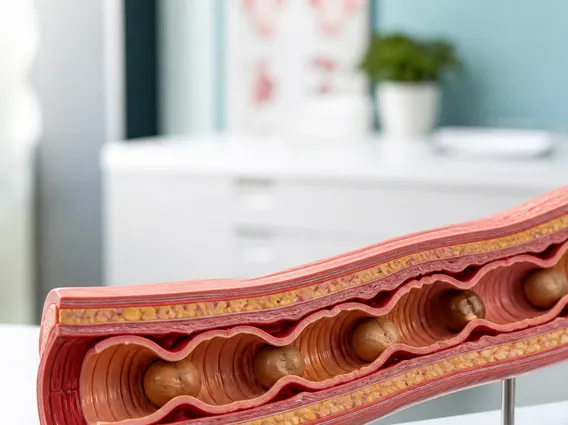
The mechanism of peristalsis involves a coordinated effort of two primary types of smooth muscles found in the walls of tubular organs: circular muscles and longitudinal muscles. When food or a bolus enters a section of the digestive tract, the circular muscles behind it contract, squeezing the tube and preventing the backward flow of contents. Simultaneously, the circular muscles in front of the bolus relax, while the longitudinal muscles in that segment contract, shortening the tube and pulling the food forward. This sequence of contraction and relaxation creates a wave that propels the material progressively along the tract. For instance, in the esophagus, a single peristaltic wave can move food from the throat to the stomach in about 5 to 10 seconds. This intricate coordination is regulated by the enteric nervous system, a complex network of neurons embedded in the walls of the digestive tract. The muscle actions can be summarized as:
- Circular muscle contraction: Occurs behind the bolus, narrowing the lumen and pushing contents forward.
- Circular muscle relaxation: Occurs in front of the bolus, widening the lumen to accommodate the incoming material.
- Longitudinal muscle contraction: Occurs in front of the bolus, shortening the segment and pulling the tube over the contents.
These synchronized movements ensure efficient and unidirectional transport.
Role of Peristalsis in Digestion
The peristalsis function in digestion is paramount for the entire process of nutrient absorption and waste elimination. It begins in the esophagus, where it pushes swallowed food down to the stomach. Once in the stomach, peristaltic waves mix food with digestive juices, breaking it down into a semi-liquid substance called chyme. These waves then gradually move the chyme into the small intestine. In the small intestine, peristalsis continues to mix chyme with digestive enzymes and bile, facilitating the absorption of nutrients through the intestinal walls. Finally, in the large intestine, peristalsis helps compact indigestible material and move it towards the rectum for elimination. Without effective peristalsis, food would stagnate, leading to severe digestive issues such as constipation, malabsorption, and blockages. According to the National Institute of Diabetes and Digestive and Kidney Diseases (NIDDK), conditions affecting peristalsis, such as gastroparesis or irritable bowel syndrome, can significantly impact quality of life.