Pelvic
The term Pelvic refers to the lower part of the trunk, a crucial anatomical region located between the abdomen and the thighs. This complex area plays a vital role in supporting the spine, connecting the lower limbs, and housing essential organs.
Key Takeaways
- The pelvis is a bony structure supporting the spine and connecting to the legs, protecting vital organs.
- The pelvic floor is a group of muscles and ligaments essential for organ support, continence, and sexual function.
- Pelvic pain can stem from various causes, including gynecological, gastrointestinal, and musculoskeletal issues.
- Management strategies for pelvic pain often involve medication, physical therapy, and lifestyle adjustments.
- Specific exercises, such as pelvic floor exercises for beginners, are key to strengthening these muscles and improving function.
What is Pelvic Anatomy and Function?
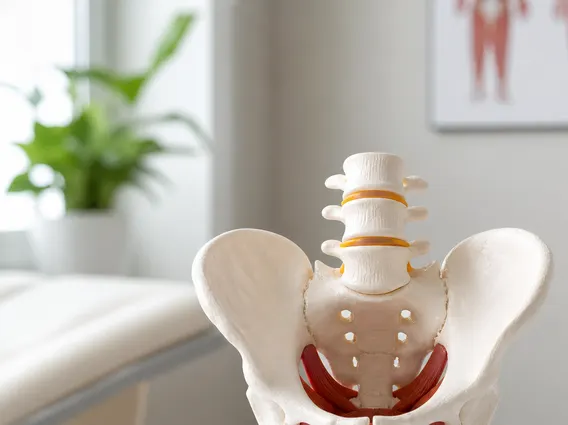
The pelvis is a basin-shaped bony structure that forms the base of the trunk. It comprises several bones, including the two hip bones (ilium, ischium, and pubis fused), the sacrum, and the coccyx. This intricate framework is central to human locomotion and provides robust support for the upper body. The comprehensive understanding of pelvic anatomy and function explained highlights its dual role: providing a stable base for the spine and a strong attachment for the lower limbs, enabling walking, running, and standing.
Beyond its skeletal support, the pelvis serves as a protective cavity for numerous vital organs. These include parts of the digestive system (rectum and anus), the urinary system (bladder and urethra), and the reproductive organs (uterus, ovaries, and vagina in females; prostate gland and seminal vesicles in males). The structural integrity of the pelvis is paramount for protecting these organs from external trauma and supporting their proper function, which is critical for overall health and well-being.
What is the Pelvic Floor?
The pelvic floor is a complex group of muscles, ligaments, and connective tissues that stretch like a hammock across the bottom of the pelvis, from the pubic bone at the front to the tailbone at the back. These muscles are essential for supporting the pelvic organs, including the bladder, bowel, and uterus (in women), preventing them from prolapsing. They also play a critical role in maintaining urinary and fecal continence by controlling the sphincters of the urethra and anus.
Furthermore, the pelvic floor muscles contribute significantly to sexual function and stability of the core. Dysfunction in these muscles can lead to a range of issues, such as incontinence, pelvic organ prolapse, and chronic pelvic pain. Strengthening and maintaining the health of the pelvic floor is crucial for individuals of all ages and genders, impacting daily comfort and quality of life.
Pelvic Pain and Management
Pelvic pain is discomfort that occurs in the lower abdomen and pelvis, often below the belly button and between the hips. It can be acute, appearing suddenly and lasting a short time, or chronic, persisting for six months or longer. The causes of pelvic pain are diverse and can originate from various bodily systems, making diagnosis challenging. Common causes include gynecological conditions like endometriosis, ovarian cysts, or uterine fibroids; gastrointestinal issues such as irritable bowel syndrome (IBS) or diverticulitis; and urological problems like interstitial cystitis or urinary tract infections. Musculoskeletal issues, nerve entrapment, and psychological factors can also contribute to pelvic pain.
The symptoms associated with pelvic pain can vary widely, from a dull ache to sharp, stabbing pain, and may include pain during intercourse, urination, or bowel movements. Effective pelvic pain causes symptoms treatment often requires a multidisciplinary approach tailored to the underlying cause. Treatment options may include medications (pain relievers, hormone therapy, antibiotics), physical therapy, nerve blocks, or in some cases, surgery. Lifestyle modifications, such as dietary changes and stress management, can also be beneficial.
Physical therapy, in particular, often incorporates targeted exercises to strengthen or relax the pelvic floor muscles. For instance, pelvic floor exercises for beginners, often referred to as Kegel exercises, can significantly improve muscle tone and function, which can alleviate symptoms related to incontinence and some forms of pelvic pain. According to the National Institute of Diabetes and Digestive and Kidney Diseases (NIDDK), pelvic floor muscle training is a first-line treatment for many types of urinary incontinence. It is important to consult a healthcare professional for an accurate diagnosis and personalized treatment plan for pelvic pain.