Pbsct
Peripheral Blood Stem Cell Transplant (PBSCT) is a critical medical procedure used to restore healthy blood-forming stem cells in patients whose bone marrow has been damaged or destroyed by disease or intensive cancer treatments.

Key Takeaways
- Peripheral Blood Stem Cell Transplant (PBSCT) is a procedure that replaces damaged blood-forming stem cells with healthy ones, often used in cancer treatment.
- The process involves mobilizing stem cells into the bloodstream, collecting them via apheresis, and then infusing them back into the patient after conditioning therapy.
- PBSCT offers significant benefits, including the potential for long-term remission or cure for various hematologic malignancies and disorders.
- Patients undergoing PBSCT should be aware of potential risks such as infection, graft-versus-host disease (GVHD), and other complications, necessitating careful monitoring and follow-up.
- Comprehensive patient information and support are crucial for managing the complex recovery period associated with this intensive treatment.
What is PBSCT (Peripheral Blood Stem Cell Transplant)?
Peripheral Blood Stem Cell Transplant (PBSCT) refers to a medical procedure that involves collecting hematopoietic (blood-forming) stem cells from the circulating blood of a donor or the patient themselves, and then infusing these cells back into the patient. This process aims to restore the bone marrow’s ability to produce healthy blood cells after it has been compromised by high-dose chemotherapy, radiation therapy, or certain diseases. PBSCT is a vital treatment option for various conditions, including leukemias, lymphomas, multiple myeloma, and other blood disorders.
Unlike traditional bone marrow transplants, where stem cells are harvested directly from the bone marrow, PBSCT utilizes stem cells that have been mobilized from the bone marrow into the bloodstream. This method has become increasingly common due to its less invasive collection process and quicker engraftment times. According to the National Marrow Donor Program (NMDP)/Be The Match, thousands of peripheral blood stem cell transplants are facilitated annually, highlighting its widespread use and importance in modern oncology and hematology.
The PBSCT Procedure: Steps and Recovery
The PBSCT procedure explained involves several distinct phases, each crucial for the success of the transplant. The process typically begins with mobilization, where the patient or donor receives growth factor injections (e.g., G-CSF) to stimulate the bone marrow to release stem cells into the peripheral bloodstream. This usually occurs over several days.
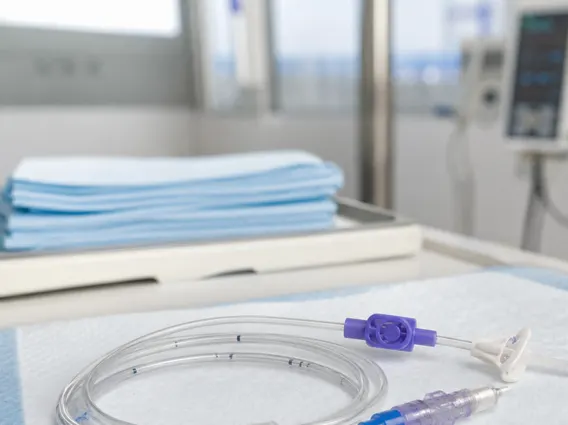
Once stem cells are adequately mobilized, they are collected through a process called apheresis. During apheresis, blood is drawn from a vein, passed through a machine that separates the stem cells, and the remaining blood components are returned to the body. This collection can take several hours over one or more days. After collection, the patient undergoes a conditioning regimen, which typically involves high-dose chemotherapy and/or radiation therapy to eliminate existing diseased cells and suppress the immune system, creating space for the new stem cells. Finally, the collected stem cells are infused intravenously, similar to a blood transfusion. These stem cells then travel to the bone marrow, where they begin to engraft and produce new, healthy blood cells.
The recovery period following a PBSCT is critical and can be lengthy. Patients are closely monitored for signs of engraftment, which is when the new stem cells begin to produce blood cells. This phase is often associated with a high risk of infection due to a weakened immune system. Full immune recovery can take months to years, requiring ongoing medical care and protective measures.
- Mobilization: Administration of growth factors to increase stem cells in the bloodstream.
- Apheresis: Collection of stem cells from peripheral blood using a specialized machine.
- Conditioning: High-dose chemotherapy and/or radiation to prepare the body for new stem cells.
- Infusion: Intravenous administration of the collected stem cells.
- Engraftment & Recovery: Period where new stem cells settle in the bone marrow and begin producing blood cells, followed by a prolonged recovery phase.
PBSCT Risks, Benefits, and Patient Information
Understanding the PBSCT risks and benefits is essential for patients considering this treatment. The primary benefit of PBSCT is its potential to offer a cure or long-term remission for various life-threatening diseases, particularly certain cancers and blood disorders. It can replace diseased bone marrow with healthy cells, allowing the body to produce functional blood components. For many patients, it represents the best chance for survival or an improved quality of life.
However, PBSCT is an intensive procedure associated with significant risks. Short-term complications can include severe infections, mucositis (inflammation of the digestive tract), nausea, fatigue, and organ toxicity from conditioning therapy. Long-term risks may involve graft-versus-host disease (GVHD) in allogeneic transplants (where cells come from a donor), where the donor’s immune cells attack the recipient’s tissues. Other potential long-term issues include organ damage, infertility, and an increased risk of secondary cancers. Comprehensive peripheral blood stem cell transplant information is provided to patients to ensure they are fully informed about these potential outcomes.
Patient information and support are crucial throughout the PBSCT journey. Patients undergo extensive evaluations before the transplant to assess their overall health and suitability. Post-transplant care involves rigorous monitoring, medication management, and supportive therapies to manage side effects and prevent complications. Long-term follow-up is necessary to monitor for late effects and ensure sustained recovery. Patient education, psychological support, and rehabilitation services play a vital role in helping individuals navigate the challenges of recovery and reintegrate into daily life.