Ecg
An electrocardiogram, commonly known as an ECG, is a non-invasive medical test that records the electrical activity of the heart. It is a fundamental diagnostic tool used to assess heart health and detect various cardiac conditions.
Key Takeaways
- An ECG measures the electrical signals produced by your heart, providing crucial information about its rhythm and function.
- The test involves placing electrodes on the skin to detect these electrical impulses, which are then displayed as a waveform.
- ECGs are vital for diagnosing a range of heart conditions, including arrhythmias, heart attacks, and structural abnormalities.
- Interpreting an ECG involves analyzing specific wave patterns to identify potential cardiac issues.
What is an ECG (Electrocardiogram)?
An Electrocardiogram (ECG) is a simple, painless procedure that measures the electrical activity of the heart. Every heartbeat is triggered by an electrical impulse generated by specialized cells in the heart. An ECG machine records these electrical signals as they travel through the heart, providing a graphical representation of the heart’s rhythm and electrical function. This diagnostic tool is essential for evaluating symptoms such as chest pain, shortness of breath, dizziness, or palpitations, helping healthcare professionals understand the underlying cause.
The information gathered from an ECG can reveal how fast the heart is beating, whether its rhythm is regular or irregular, and the strength and timing of the electrical signals as they pass through each part of the heart. According to the World Health Organization (WHO), cardiovascular diseases are the leading cause of death globally, emphasizing the critical role of diagnostic tools like the ECG in early detection and effective management of heart conditions.
How Does an ECG Work?
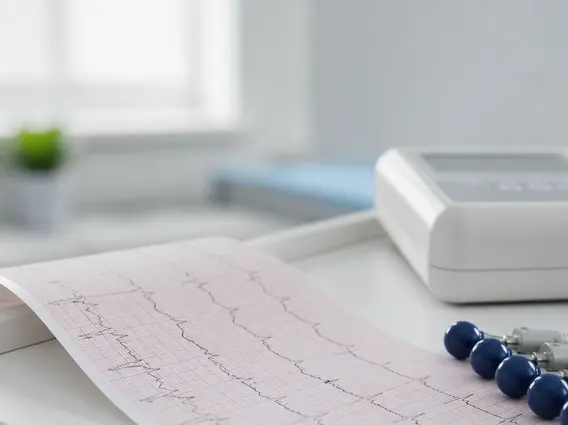
The process of an ECG involves placing small, adhesive electrodes on specific areas of the chest, arms, and legs. These electrodes are connected by wires to an ECG machine, which records the electrical impulses generated by the heart. As the heart muscle contracts and relaxes, it produces tiny electrical currents that spread through the body. The electrodes detect these currents, and the ECG machine amplifies them and translates them into a waveform displayed on a screen or printed on paper.
The resulting graph shows different waves and segments, each corresponding to a specific phase of the heart’s electrical activity. For instance, the P wave represents atrial depolarization (contraction of the atria), the QRS complex indicates ventricular depolarization (contraction of the ventricles), and the T wave signifies ventricular repolarization (relaxation of the ventricles). By analyzing the timing, amplitude, and shape of these waves, healthcare providers can gain insights into the heart’s electrical pathways and overall function.
Reasons for an ECG and Interpreting the Findings
There are numerous reasons for an ECG procedure, making it a cornerstone in cardiac diagnostics. Physicians commonly order an ECG to:
- Investigate symptoms like chest pain, dizziness, fainting, or heart palpitations.
- Detect and diagnose heart attacks (myocardial infarctions) or signs of previous heart attacks.
- Identify arrhythmias, which are irregular heart rhythms.
- Assess the effectiveness of certain heart medications or pacemakers.
- Screen for heart disease before surgery or as part of a routine physical examination, especially in individuals with risk factors.
- Monitor the health of the heart in patients with known heart conditions.
ECG interpretation explained involves a detailed analysis of the recorded waveforms by a trained medical professional. They look for abnormalities in heart rate, rhythm, and the electrical conduction system. For example, a very fast heart rate (tachycardia), a very slow heart rate (bradycardia), or an irregular rhythm (arrhythmia) can all be identified. The presence of certain wave patterns can also indicate structural heart problems, electrolyte imbalances, or even a lack of blood flow to the heart muscle. Accurate interpretation is crucial for guiding further diagnostic tests or initiating appropriate treatment plans.