
Ecchymosis
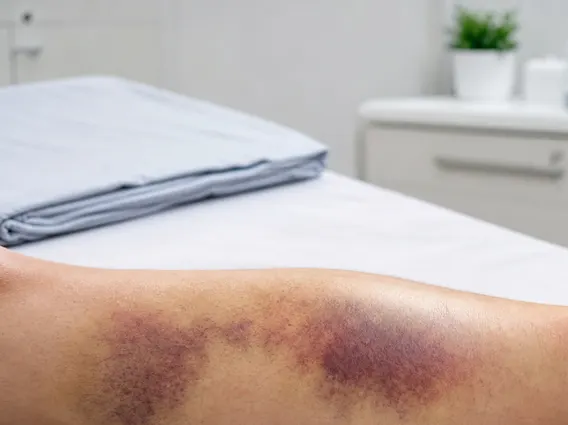
Ecchymosis is a medical term referring to a type of skin discoloration caused by bleeding underneath the skin, typically larger than 1 centimeter in diameter. It results from blood leaking out of damaged blood vessels into the surrounding tissues, leading to a visible patch on the skin.
Key Takeaways
- Ecchymosis is a medical term for a large bruise, characterized by blood pooling under the skin.
- It differs from a common bruise primarily in size and often indicates a more significant underlying cause or trauma.
- Causes range from minor injuries to medical conditions affecting blood clotting or vessel integrity.
- Symptoms include skin discoloration (evolving through various shades), tenderness, and sometimes swelling.
- Treatment typically involves RICE therapy (Rest, Ice, Compression, Elevation) and pain management, with medical consultation advised for severe or unexplained cases.
What is Ecchymosis and How Does it Differ from a Bruise?
Ecchymosis refers to a subcutaneous spot of bleeding, typically larger than 10 millimeters (1 centimeter) in diameter, that occurs when blood leaks from damaged blood vessels into the surrounding tissues. This leakage causes a distinct discoloration of the skin, which can vary in color from red to purple, black, green, or yellow as the blood breaks down over time. While often associated with trauma, ecchymosis can also be a sign of underlying medical conditions or medication side effects.
Understanding the ecchymosis vs bruise difference is important, as the terms are often used interchangeably, but there’s a subtle distinction. A bruise (contusion) is a general term for any injury where capillaries are damaged, allowing blood to leak, regardless of size. Ecchymosis, by definition, specifically refers to a larger area of bleeding under the skin. While all ecchymoses are bruises, not all bruises are ecchymoses; smaller spots of bleeding are typically called petechiae (less than 3 mm) or purpura (3-10 mm). The larger size of ecchymosis often suggests a more significant impact or a systemic issue.
To further clarify the distinction, consider the following comparison:
| Feature | Ecchymosis | Common Bruise (Contusion) |
|---|---|---|
| Size | Typically > 1 cm in diameter | Varies, often < 1 cm, but can be larger |
| Appearance | Larger, diffuse patch of discoloration | Smaller, more localized discoloration |
| Cause | Trauma, medical conditions, medications | Usually minor trauma or impact |
| Significance | Can indicate more significant trauma or underlying issues | Generally a minor, superficial injury |
Causes and Associated Symptoms of Ecchymosis
The ecchymosis causes and symptoms are varied, ranging from common physical trauma to more serious medical conditions. The most frequent cause is physical injury, such as a fall, impact, or surgical procedure, which damages small blood vessels. However, ecchymosis can also arise from non-traumatic factors.
Common causes include:
- Trauma: Direct impact, falls, sports injuries, or surgical procedures.
- Medications: Certain drugs, especially anticoagulants (blood thinners like warfarin or aspirin) and corticosteroids, can increase the likelihood of bleeding and ecchymosis formation due to their effects on blood clotting or vessel fragility.
- Medical Conditions: Disorders affecting blood clotting, such as hemophilia or thrombocytopenia (low platelet count), can lead to easy bruising and ecchymosis. Liver disease, which impairs the production of clotting factors, can also be a cause. Vitamin deficiencies, particularly Vitamin C (scurvy) and Vitamin K, can weaken blood vessels or impair clotting.
- Aging: As people age, their skin becomes thinner and blood vessels become more fragile, making them more susceptible to ecchymosis from minor bumps.
The primary symptom of ecchymosis is the characteristic skin discoloration. Initially, it may appear reddish or purplish, gradually changing to blue, black, green, and yellow as hemoglobin in the blood breaks down. This color progression is a natural part of the healing process. Other associated symptoms may include localized tenderness or pain, slight swelling, and a firm feeling to the touch in the affected area. According to the American Academy of Dermatology, bruising is a very common skin condition, with most people experiencing several bruises throughout their lives due to minor injuries.
How to Treat and Manage Ecchymosis
When considering how to treat ecchymosis, the approach largely depends on its underlying cause and severity. For most cases resulting from minor trauma, home care strategies are often sufficient to manage symptoms and promote healing. The primary goal is to reduce pain, swelling, and accelerate the reabsorption of blood.
Effective home management strategies include:
- Rest: Protect the affected area from further injury and allow it time to heal.
- Ice: Apply a cold compress or ice pack wrapped in a cloth to the ecchymosis for 15-20 minutes at a time, several times a day, especially within the first 24-48 hours. This helps to constrict blood vessels, reducing bleeding and swelling.
- Compression: Gently wrap the area with an elastic bandage to help reduce swelling, but ensure it’s not too tight to avoid restricting circulation.
- Elevation: If possible, elevate the affected limb or body part above the level of the heart. This helps to reduce blood flow to the area and minimize swelling.
Over-the-counter pain relievers, such as acetaminophen or ibuprofen, can be used to manage pain and discomfort. It’s important to avoid aspirin if you suspect a bleeding disorder or are already on blood-thinning medication, as it can worsen bleeding. While some topical creams containing arnica or vitamin K are marketed for bruising, their efficacy is not universally supported by robust scientific evidence, and they should not replace standard medical advice.
Seek medical attention if the ecchymosis is very large, appears without a clear cause, is accompanied by severe pain or swelling, occurs frequently, or if you notice other bleeding symptoms like nosebleeds or blood in urine/stools. These could indicate a more serious underlying medical condition requiring professional diagnosis and treatment.



















