Dcis
Ductal Carcinoma In Situ (DCIS) is a non-invasive breast condition characterized by the presence of abnormal cells within the milk ducts of the breast. It is considered the earliest form of breast cancer, though it is not invasive.
Key Takeaways
- Ductal Carcinoma In Situ (DCIS) is a non-invasive breast condition where abnormal cells are confined to the milk ducts.
- It is often detected through routine mammograms and is considered a precursor to invasive breast cancer.
- Diagnosis typically involves imaging, followed by a biopsy to confirm the presence of abnormal cells.
- Treatment options for DCIS range from surgery (lumpectomy or mastectomy) to radiation therapy and, in some cases, hormone therapy.
- Decisions regarding treatment are highly individualized, considering factors like tumor characteristics and patient preferences.
What is DCIS (Ductal Carcinoma In Situ)?
Ductal Carcinoma In Situ (DCIS) refers to a condition where abnormal cells are found within the lining of a milk duct in the breast, but they have not spread beyond the duct walls into the surrounding breast tissue. This means it is a non-invasive form of breast cancer, often described as a pre-invasive or pre-cancerous condition. It is important to understand that while DCIS is not life-threatening in itself, it indicates an increased risk of developing invasive breast cancer in the future, either in the same breast or the other.
DCIS is typically detected through mammography, often appearing as tiny calcium deposits (microcalcifications). It accounts for approximately 20-25% of all newly diagnosed breast cancers in the United States, according to the American Cancer Society. The term “in situ” means “in its original place,” highlighting that the abnormal cells are contained and have not invaded other tissues. The decision to treat DCIS is made to prevent these abnormal cells from potentially progressing to invasive cancer.
Understanding DCIS Diagnosis
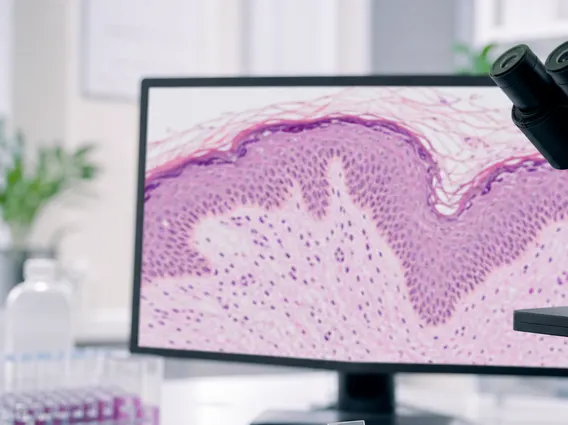
Understanding DCIS diagnosis typically begins with a screening mammogram, which may reveal suspicious microcalcifications or a mass. If an abnormality is detected, further diagnostic imaging, such as a diagnostic mammogram or ultrasound, may be performed. The definitive diagnosis of DCIS requires a biopsy, where a small tissue sample is removed from the suspicious area and examined by a pathologist.
Common biopsy procedures include:
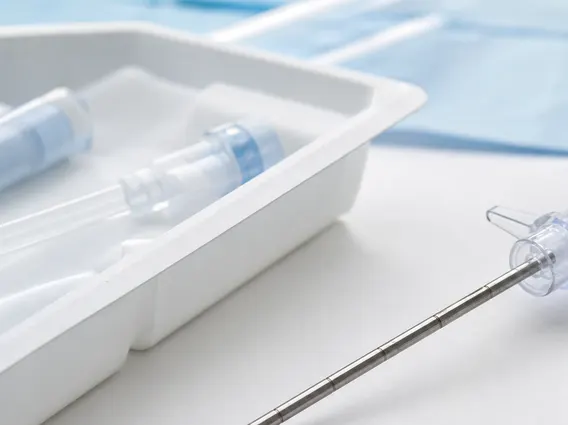
- Core Needle Biopsy: A hollow needle is used to extract several tissue samples, often guided by imaging (mammogram, ultrasound, or MRI).
- Surgical Biopsy (Excisional Biopsy): In some cases, a surgeon may remove the entire suspicious area and a margin of healthy tissue.
The pathologist’s report will confirm the presence of DCIS and provide details about its grade (low, intermediate, or high), which describes how quickly the cells are growing and how abnormal they appear. This information is crucial for guiding subsequent treatment decisions.
DCIS Treatment Options and Considerations
For DCIS treatment options information, patients typically consult with a multidisciplinary team, including surgeons, radiation oncologists, and medical oncologists. The primary goal of treatment is to remove the abnormal cells and reduce the risk of future invasive breast cancer. Treatment plans are highly individualized, taking into account factors such as the size and grade of the DCIS, the presence of hormone receptors, the patient’s age, overall health, and personal preferences.
| Treatment Option | Description | Considerations |
|---|---|---|
| Lumpectomy (Breast-conserving surgery) | Surgical removal of the DCIS and a small margin of surrounding healthy breast tissue. | Often followed by radiation therapy to reduce recurrence risk; preserves most of the breast. |
| Mastectomy | Surgical removal of the entire breast. | Considered for extensive DCIS, multiple areas of DCIS, or if lumpectomy with clear margins is not feasible. Radiation therapy is usually not needed afterward. |
| Radiation Therapy | Uses high-energy rays to kill any remaining cancer cells after lumpectomy. | Typically recommended after lumpectomy to lower the chance of DCIS or invasive cancer recurrence in the treated breast. |
| Hormone Therapy | Medications (e.g., tamoxifen, aromatase inhibitors) that block estrogen’s effects or reduce estrogen levels. | May be recommended for hormone-receptor-positive DCIS, usually after surgery and radiation, to reduce the risk of recurrence in either breast. |
Observation (active surveillance) may be an option for very low-risk DCIS in select cases, though this is less common and requires careful discussion with a healthcare provider. It is vital for patients to discuss all potential benefits, risks, and side effects of each treatment option with their medical team to make an informed decision that aligns with their values and health goals.