Cutaneous
The term “cutaneous” is fundamental in medicine, specifically referring to anything related to the skin. It encompasses the vast array of structures, functions, and conditions associated with this vital organ, which serves as the body’s primary protective barrier.
Key Takeaways
- Cutaneous refers to anything pertaining to the skin, its structures, and functions.
- The cutaneous system, or integumentary system, includes the skin, hair, nails, and associated glands.
- It performs crucial roles such as protection, temperature regulation, and sensation.
- Cutaneous conditions are a broad category of disorders affecting the skin, ranging from common rashes to complex systemic diseases.
- Understanding cutaneous health is essential for overall well-being and disease prevention.
What is Cutaneous: Meaning and Scope
Cutaneous refers to anything pertaining to the skin. The cutaneous meaning and definition extends to all aspects of this largest organ of the human body, including its layers, appendages, and the various physiological processes it performs. In medical contexts, “cutaneous” is frequently used to describe diseases, symptoms, treatments, or procedures that involve the skin. For instance, a “cutaneous rash” is a rash appearing on the skin, and “cutaneous absorption” refers to substances being absorbed through the skin.
The scope of cutaneous medicine is broad, covering dermatology, oncology (skin cancers), immunology (autoimmune skin diseases), and infectious diseases (skin infections). It highlights the skin’s critical role not just as an external covering but as an active organ involved in numerous bodily functions, reflecting internal health and responding to external stimuli.
The Cutaneous System and Common Disorders
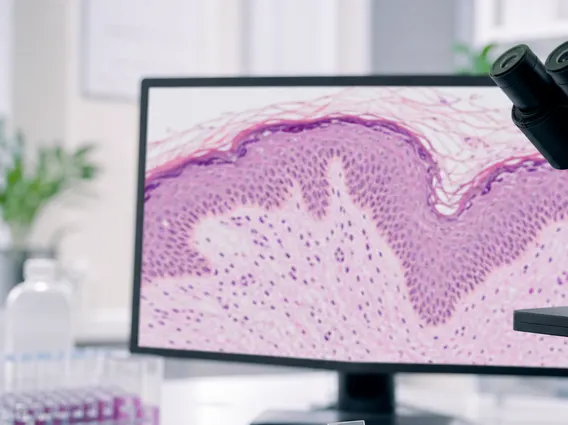
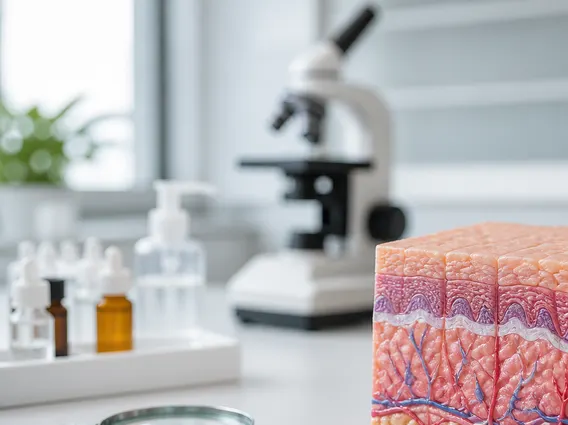
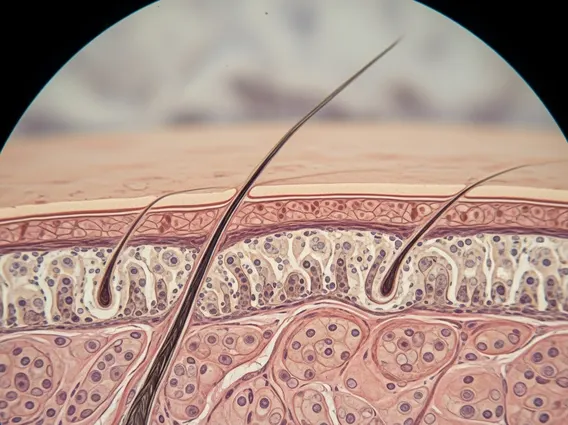
The cutaneous system explained, also known as the integumentary system, is a complex network comprising the skin, hair, nails, and various glands (sweat and sebaceous). This system acts as the body’s first line of defense against pathogens, UV radiation, and physical injury. Beyond protection, it plays vital roles in regulating body temperature, synthesizing vitamin D, sensing touch, pressure, pain, and temperature, and preventing dehydration. The skin itself is composed of three main layers: the epidermis (outermost), dermis (middle), and hypodermis (innermost fatty layer), each with specialized cells and structures contributing to its diverse functions.
What are Cutaneous Conditions?
Cutaneous conditions are a wide range of diseases and disorders that affect the skin, hair, nails, and mucous membranes. These conditions can be localized or widespread, acute or chronic, and may result from genetic factors, infections, immune system dysfunction, environmental exposures, or systemic diseases. The World Health Organization (WHO) highlights skin conditions as a significant global health burden, affecting millions worldwide and often leading to discomfort, disfigurement, and psychological distress.
There are numerous common cutaneous disorders, varying in severity and prevalence. Some of the most frequently encountered conditions include:
- Acne: A common inflammatory condition of the hair follicles and sebaceous glands, often appearing on the face, chest, and back.
- Eczema (Atopic Dermatitis): A chronic inflammatory skin condition characterized by dry, itchy, and inflamed patches of skin.
- Psoriasis: An autoimmune disease that causes skin cells to build up rapidly on the surface of the skin, forming thick, silvery scales and itchy, dry, red patches.
- Fungal Infections: Conditions like ringworm, athlete’s foot, and jock itch, caused by various types of fungi thriving on the skin.
- Urticaria (Hives): An outbreak of swollen, pale red bumps or plaques on the skin that appear suddenly as a result of the body’s reaction to certain allergens or unknown causes.
- Skin Cancers: Including basal cell carcinoma, squamous cell carcinoma, and melanoma, often linked to excessive sun exposure.
Early detection and appropriate management are crucial for effective treatment and preventing complications of these conditions. Consulting a healthcare professional for any persistent or concerning skin changes is always recommended.