Corpus Spongiosum
The Corpus Spongiosum is a vital component of the male reproductive system, playing a crucial role in both urinary and sexual function. Understanding its structure and purpose is essential for comprehending the mechanics of penile physiology.
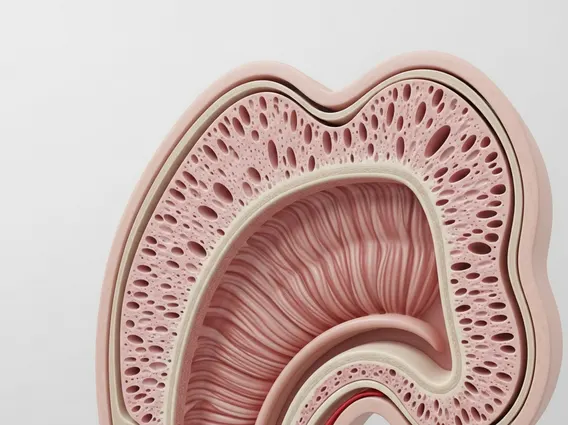
Key Takeaways
- The Corpus Spongiosum is a column of spongy erectile tissue located on the underside of the penis.
- It surrounds the urethra, preventing its compression during erection to allow for the passage of semen.
- This tissue contributes to the rigidity of the penis during erection, though less so than the corpora cavernosa.
- Its unique structure ensures the urethra remains patent, facilitating ejaculation.
What is Corpus Spongiosum?
The Corpus Spongiosum refers to a single, cylindrical mass of erectile tissue found in the penis. This specialized tissue is distinct from the two corpora cavernosa, which lie dorsally. Its primary role is to encase the urethra, the tube through which urine and semen exit the body, ensuring its patency during physiological processes. The corpus spongiosum location and purpose are critical for maintaining the integrity of the urethra, particularly during penile erection, preventing it from being squeezed shut by the engorgement of the surrounding erectile tissues.
Originating at the bulb of the penis, the Corpus Spongiosum extends distally, forming the glans penis at its tip. This anatomical arrangement allows it to perform its dual functions effectively, contributing to both the structure and the hydraulic mechanisms necessary for male reproductive health.
Anatomy and Function of the Corpus Spongiosum
The anatomy of corpus spongiosum reveals a fascinating structure composed of a network of vascular spaces, or sinusoids, embedded within a fibrous connective tissue matrix. These sinusoids are lined with endothelial cells and are capable of filling with blood, leading to tissue engorgement. Unlike the corpora cavernosa, the tunica albuginea surrounding the Corpus Spongiosum is thinner and more elastic, which allows it to expand without exerting excessive pressure on the urethra. This structural difference is key to its specific role.
The primary corpus spongiosum function is to prevent the compression of the urethra during erection. As the corpora cavernosa fill with blood and become rigid, the Corpus Spongiosum also engorges, but to a lesser degree and with less pressure. This differential engorgement ensures that the urethra remains open, allowing for the unimpeded flow of semen during ejaculation. Without this protective mechanism, the urethra could be occluded, hindering reproductive function.
Key aspects of its function include:
- Urethral Protection: Maintains an open channel for urine and semen.
- Erectile Support: Contributes to penile rigidity, especially in the glans.
- Ejaculatory Pathway: Facilitates the expulsion of semen by preventing urethral collapse.
The Corpus Spongiosum also forms the glans penis, the sensitive tip of the penis, which is crucial for sexual sensation and stimulation. Its unique anatomical and functional characteristics underscore its importance in the complex physiology of the male reproductive system.