Coronary Artery Bypass Grafting
Coronary Artery Bypass Grafting (CABG) is a surgical procedure designed to improve blood flow to the heart muscle. It is a vital intervention for individuals suffering from severe coronary artery disease.
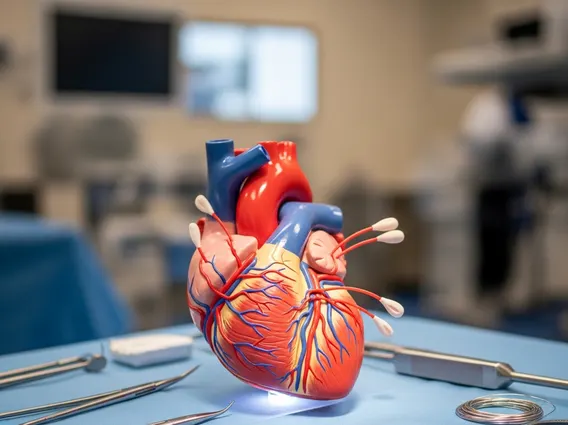
Key Takeaways
- Coronary Artery Bypass Grafting (CABG) is a surgical procedure that creates new pathways for blood to flow around blocked coronary arteries.
- It is primarily performed to treat coronary artery disease (CAD), which can lead to angina, shortness of breath, and increased risk of heart attack.
- The procedure involves taking healthy blood vessels (grafts) from other parts of the body and attaching them to the heart to bypass narrowed or blocked arteries.
- Common graft sources include arteries from the chest wall and radial arteries from the arm, as well as veins from the leg.
- CABG aims to alleviate symptoms, improve heart function, and enhance the quality of life for patients with significant coronary blockages.
What is Coronary Artery Bypass Grafting (CABG)?
Coronary Artery Bypass Grafting (CABG) is a major surgical procedure performed to treat coronary artery disease (CAD), a condition where the arteries supplying blood to the heart muscle become narrowed or blocked. This narrowing, often caused by plaque buildup (atherosclerosis), can reduce blood flow, leading to chest pain (angina), shortness of breath, and an increased risk of heart attack. The primary goal of a CABG surgery explanation is to restore adequate blood flow to the heart, thereby alleviating symptoms and improving cardiac function.
This procedure involves taking a healthy blood vessel from another part of the patient’s body—such as the chest, leg, or arm—and connecting it to the coronary artery above and below the blockage. This creates a new route, or “bypass,” for blood to flow to the heart muscle, circumventing the diseased segment. According to the American Heart Association, coronary artery disease affects millions of adults in the United States, and CABG remains one of the most frequently performed major heart surgeries, with hundreds of thousands of procedures conducted annually to address severe blockages that are not amenable to less invasive treatments.
How Does Coronary Artery Bypass Grafting Work?
The mechanism of how does CABG surgery work involves rerouting blood flow around obstructed coronary arteries using healthy blood vessels as grafts. During the procedure, the surgeon carefully selects and harvests one or more healthy blood vessels from the patient’s body. These vessels are then meticulously attached to the aorta (the body’s main artery) and to the coronary artery beyond the point of blockage. This establishes a new, clear pathway for oxygen-rich blood to reach the heart muscle, improving its supply and function.
The coronary bypass graft procedure details vary depending on the number of arteries needing bypass and the type of graft vessels used. Common sources for these grafts include:
- Internal Mammary Arteries: These arteries, located inside the chest wall, are often preferred due to their excellent long-term patency rates.
- Saphenous Veins: These veins are typically harvested from the leg and are commonly used, though they may not last as long as arterial grafts.
- Radial Arteries: Found in the arm, these arteries are another viable option for grafting.
The choice of graft vessel depends on various factors, including the patient’s health, the location and severity of the blockages, and the surgeon’s preference. Once the grafts are in place, blood flows through these new pathways, bypassing the diseased segments and restoring vital circulation to the heart muscle. This can significantly reduce symptoms, improve exercise tolerance, and enhance overall quality of life for patients with advanced coronary artery disease.