Colostomy
Colostomy is a surgical procedure that creates an opening in the abdomen to divert a part of the colon. This article provides a comprehensive overview of colostomy, explaining the procedure and offering insights into living with this condition.
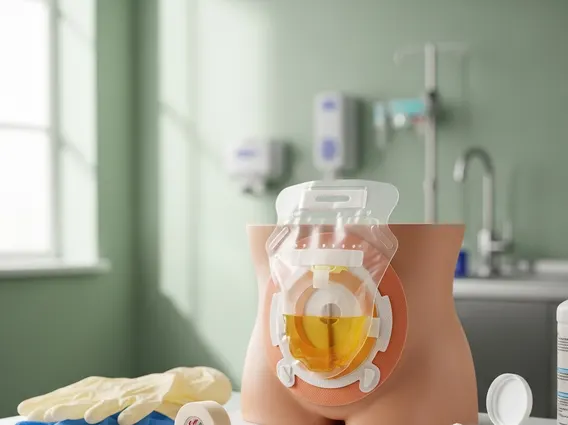
Key Takeaways
- A colostomy is a surgically created opening (stoma) in the abdomen that connects to the colon, allowing stool to exit the body into an external pouch.
- It can be temporary or permanent, performed for various medical conditions affecting the colon or rectum.
- The surgery involves bringing a section of the colon through the abdominal wall and suturing it to the skin.
- Living with a colostomy requires learning specific care routines, including managing the stoma and changing the ostomy pouch.
- Proper education and support are crucial for adapting to life with a colostomy, ensuring comfort and maintaining quality of life.
What is Colostomy?
A colostomy is a surgical procedure that creates an opening, called a stoma, in the abdominal wall. This opening allows a portion of the colon (large intestine) to be brought to the surface of the abdomen, diverting waste products from the digestive system into an external collection pouch. The primary purpose of a colostomy is to bypass a damaged or diseased part of the colon or rectum, providing a new pathway for stool to leave the body.
Colostomies can be temporary or permanent, depending on the underlying medical condition and the patient’s prognosis. A temporary colostomy may be performed to allow a diseased or injured part of the bowel to heal, after which it can be reversed. Permanent colostomies are typically necessary when a section of the bowel or rectum needs to be removed, or when the bowel cannot be reconnected. Conditions that may necessitate a colostomy include colorectal cancer, diverticulitis, inflammatory bowel disease, trauma, or birth defects.
Colostomy Surgery Explained
The procedure for a colostomy involves several key steps, typically performed under general anesthesia. During colostomy surgery explained, a surgeon makes an incision in the abdomen. A section of the colon is then brought through an opening created in the abdominal wall. The edges of the colon are everted and stitched to the skin, forming the stoma. The stoma is usually round or oval, moist, and reddish-pink, similar to the inside of the mouth. It has no nerve endings, so it is not painful to touch.
There are different types of colostomies, primarily categorized by the section of the colon involved:
- Ascending colostomy: Created from the ascending colon, typically on the right side of the abdomen. Stool is usually liquid to semi-liquid.
- Transverse colostomy: Created from the transverse colon, often in the upper abdomen. Stool is typically soft.
- Descending or Sigmoid colostomy: Created from the descending or sigmoid colon, usually on the left side of the abdomen. Stool is generally more formed.
The choice of colostomy type depends on the specific medical reason for the surgery and the location of the affected bowel segment.
Living with a Colostomy: Care and Management
Adapting to living with a colostomy involves learning how to manage the stoma and the ostomy pouch system effectively. Immediately after surgery, healthcare professionals provide comprehensive education on stoma care, including how to empty and change the pouch, maintain skin integrity around the stoma, and identify potential complications. With proper instruction and practice, most individuals quickly become proficient in managing their colostomy independently.
Effective colostomy care tips are essential for preventing skin irritation, leakage, and odor, contributing significantly to comfort and confidence. Key aspects of care include:
- Pouch Management: Empty the ostomy pouch when it is one-third to one-half full to prevent it from becoming too heavy or pulling on the skin. Change the entire pouching system every 3-7 days, or as recommended by your healthcare provider, to maintain a secure seal.
- Skin Care: Gently clean the skin around the stoma with warm water and mild soap (if necessary) during pouch changes. Ensure the skin is completely dry before applying a new pouch to promote adhesion and prevent irritation.
- Diet and Hydration: While most foods can be reintroduced gradually, some may cause gas or changes in stool consistency. Staying well-hydrated is crucial. A balanced diet helps maintain regular bowel function.
- Monitoring the Stoma: Regularly observe the stoma for any changes in color, size, or shape. It should remain pink or red and moist. Report any unusual changes, such as severe pain, bleeding, or signs of infection, to your doctor.
- Emotional Support: Adjusting to a colostomy can be emotionally challenging. Seeking support from family, friends, support groups, or a mental health professional can be invaluable in coping with the changes and maintaining a positive outlook.
With appropriate care and support, individuals with a colostomy can lead full, active, and fulfilling lives, engaging in most daily activities, including work, travel, and exercise.