Chromosome 17
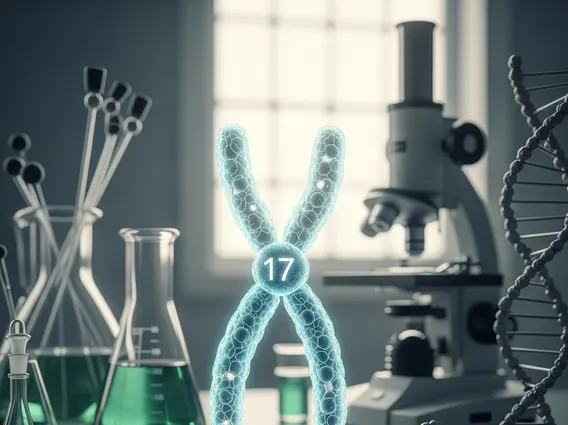
Chromosome 17 is one of the 23 pairs of chromosomes in humans, playing a crucial role in various biological processes due to the multitude of genes it carries. Understanding its genetic makeup is essential for comprehending human health and disease.
Key Takeaways
- Chromosome 17 is a medium-sized chromosome containing hundreds of genes vital for diverse cellular functions.
- Key genes on this chromosome, such as TP53, BRCA1, and NF1, are involved in critical processes like cell growth regulation, tumor suppression, and nervous system development.
- Mutations or abnormalities on Chromosome 17 are linked to a range of significant health conditions, including various cancers and neurological disorders.
- Disorders associated with Chromosome 17 can impact multiple body systems, highlighting its broad influence on human physiology.
What is Chromosome 17?
Chromosome 17 is one of the 23 pairs of chromosomes found in human cells, consisting of approximately 83 million DNA base pairs. It represents about 2.5% of the total DNA in human cells and is home to an estimated 1,200 to 1,500 genes. These genes encode proteins that are fundamental for a wide array of cellular activities, including cell division, metabolism, immune response, and neurological development. Its significance in human biology stems from the critical functions performed by the proteins encoded by its genes, which are integral to maintaining overall health and preventing disease.
Key Genes and Functions on Chromosome 17
Chromosome 17 harbors several genes that are vital for human health, with their proper functioning being indispensable for normal physiological processes. The collective impact of these genes contributes significantly to what are known as chromosome 17 gene functions, influencing everything from cellular repair to neurological development.
Among the most prominent genes on Chromosome 17 are:
- TP53: Often referred to as the “guardian of the genome,” this tumor suppressor gene plays a critical role in regulating cell division and preventing the formation of tumors. It initiates DNA repair or apoptosis (programmed cell death) in cells with damaged DNA, thus maintaining genomic stability.
- BRCA1: This gene is a well-known tumor suppressor involved in DNA repair, cell cycle control, and transcriptional regulation. Mutations in BRCA1 are strongly associated with an increased risk of hereditary breast and ovarian cancers.
- NF1: The Neurofibromin 1 gene produces a protein called neurofibromin, which is a negative regulator of the Ras signaling pathway. This pathway is crucial for cell growth, differentiation, and survival. Dysfunction of NF1 can lead to uncontrolled cell growth.
- MAPT: The Microtubule Associated Protein Tau gene provides instructions for making tau protein, which helps stabilize microtubules in nerve cells. Abnormal tau protein is implicated in neurodegenerative disorders.
These genes exemplify the diverse and essential roles Chromosome 17 plays in maintaining cellular integrity and systemic health.
Disorders and Diseases Linked to Chromosome 17
Abnormalities or mutations within the genes located on Chromosome 17 can lead to a variety of significant health conditions. The comprehensive list of these conditions constitutes a substantial chromosome 17 disorders list, encompassing both rare genetic syndromes and more common hereditary diseases. These conditions often arise from deletions, duplications, or specific point mutations in the chromosome’s genetic material, leading to impaired protein function or altered gene expression.
Some of the most notable chromosome 17 related diseases include:
- Neurofibromatosis Type 1 (NF1): Caused by mutations in the NF1 gene, this is a common genetic disorder that causes tumors to grow on nerve tissue, leading to skin changes, bone deformities, and learning disabilities. According to the National Institute of Neurological Disorders and Stroke (NINDS), NF1 affects approximately 1 in 3,000 to 4,000 individuals worldwide.
- Hereditary Breast and Ovarian Cancer Syndrome: Mutations in the BRCA1 gene significantly increase the risk of developing breast, ovarian, and other cancers.
- Li-Fraumeni Syndrome (LFS): This rare inherited disorder is caused by a mutation in the TP53 gene, predisposing individuals to a wide range of cancers at an early age, including sarcomas, breast cancer, brain tumors, and leukemia.
- Smith-Magenis Syndrome (SMS): Typically caused by a deletion on the short arm of Chromosome 17, SMS is characterized by intellectual disability, distinctive facial features, sleep disturbances, and behavioral problems.
- Charcot-Marie-Tooth Disease Type 1A (CMT1A): This neurological disorder, often resulting from a duplication of the PMP22 gene on Chromosome 17, affects peripheral nerves, leading to muscle weakness and sensory loss, primarily in the feet and hands.
The diverse range of conditions associated with Chromosome 17 underscores its critical importance in human genetics and health. Ongoing research continues to uncover more about the intricate connections between this chromosome and human disease, paving the way for improved diagnostics and therapeutic strategies.