Hypoxemia
Hypoxemia is a medical condition characterized by an abnormally low level of oxygen in the arterial blood. This deficiency can impact various bodily functions and is often a sign of an underlying health issue affecting the respiratory or circulatory systems.
Key Takeaways
- Hypoxemia is defined as insufficient oxygen in the arterial blood, distinct from hypoxia (low oxygen in tissues).
- Common hypoxemia symptoms include shortness of breath, confusion, and rapid heart rate, while causes range from lung diseases to heart conditions.
- The effects of low blood oxygen can be severe, impacting vital organs and overall health if not addressed promptly.
- Treatment for hypoxemia often involves supplemental oxygen therapy and addressing the underlying medical condition.
- Early recognition and management are crucial to prevent long-term complications and improve patient outcomes.
What is Hypoxemia?
Hypoxemia refers to a condition where the oxygen levels in the arterial blood are lower than normal. This is a critical indicator of how well the lungs transfer oxygen into the bloodstream and how effectively the circulatory system distributes it. It’s important to differentiate hypoxemia from hypoxia, which is a broader term indicating low oxygen supply to the body’s tissues; while hypoxemia often leads to hypoxia, they are not interchangeable.
Oxygen is essential for cellular metabolism and all organ functions. When blood oxygen levels drop, the body’s cells and tissues suffer from this lack. The effects of low blood oxygen can range from mild symptoms like fatigue and dizziness to severe consequences, including organ damage and life-threatening complications, especially if the condition is prolonged or profound. For instance, severe hypoxemia can impair brain function, leading to confusion or loss of consciousness, and strain the heart as it works harder to compensate for reduced oxygen supply.
Symptoms and Causes of Low Blood Oxygen
Recognizing hypoxemia symptoms causes is crucial for timely diagnosis and intervention. Symptoms often reflect the body’s struggle with insufficient oxygen and can vary depending on the condition’s severity and duration. Common signs that may indicate low blood oxygen include:
- Shortness of breath (dyspnea), especially during exertion or at rest
- Rapid breathing (tachypnea)
- Rapid heart rate (tachycardia)
- Coughing or wheezing
- Confusion or disorientation
- Headache
- Bluish discoloration of the skin, lips, or nail beds (cyanosis), a sign of very low oxygen levels
- Restlessness or anxiety
The causes of hypoxemia are diverse, typically involving issues with the respiratory or cardiovascular systems. Respiratory causes often include conditions that impair the lungs’ ability to exchange gases, such as chronic obstructive pulmonary disease (COPD), asthma, pneumonia, acute respiratory distress syndrome (ARDS), and pulmonary embolism. According to the World Health Organization (WHO), chronic respiratory diseases are a leading cause of death and disability worldwide, often contributing to hypoxemia. Cardiovascular causes can involve heart failure, which reduces the heart’s pumping efficiency, or congenital heart defects that allow deoxygenated blood to bypass the lungs.
Other factors contributing to low blood oxygen can include high altitude, where the atmospheric pressure of oxygen is lower, and certain medications that depress respiratory drive. Sleep apnea, a condition where breathing repeatedly stops and starts during sleep, can also lead to intermittent hypoxemia.
Treatment and Management of Hypoxemia
Effective management of hypoxemia primarily focuses on increasing the oxygen supply to the blood and addressing the underlying cause. The approach to treatment depends on the severity of the hypoxemia and the specific condition triggering it. For individuals experiencing acute or severe low blood oxygen, immediate medical attention is essential.
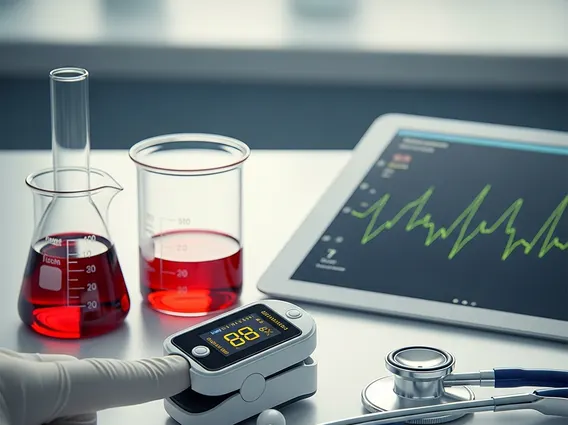
The most common and direct method to increase blood oxygen levels is supplemental oxygen therapy. This can be delivered through various devices, such as nasal cannulas, oxygen masks, or, in more severe cases, through mechanical ventilation. The goal is to raise the partial pressure of oxygen in the arterial blood (PaO2) to a safe and effective level, typically above 60 mmHg, or an oxygen saturation (SpO2) of 90% or higher. Monitoring oxygen levels using a pulse oximeter is standard practice to guide therapy.
Beyond oxygen supplementation, the approach to managing hypoxemia involves treating the root cause. This might include:
- Medications: Bronchodilators for asthma or COPD, antibiotics for pneumonia, or diuretics for heart failure.
- Lifestyle modifications: Smoking cessation, regular exercise (as advised by a doctor), and maintaining a healthy weight.
- Pulmonary rehabilitation: For chronic lung conditions, these programs help improve lung function and overall physical endurance.
- Treating underlying heart conditions: Such as managing heart failure with appropriate medications or surgical interventions.
In critical situations, advanced interventions like extracorporeal membrane oxygenation (ECMO) may be used to provide temporary heart-lung support. Long-term management often involves regular follow-ups with healthcare providers to monitor oxygen levels, adjust treatments, and prevent recurrence or progression of the underlying condition.