
Hypotension
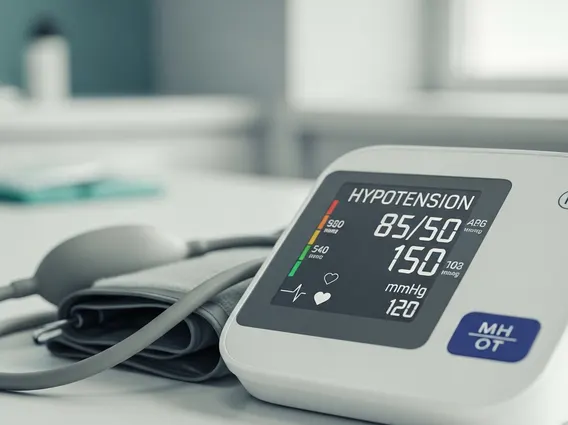
Hypotension, commonly known as low blood pressure, occurs when blood pressure drops significantly below normal levels. This condition can lead to various symptoms as vital organs may not receive sufficient blood flow.
Key Takeaways
- Hypotension is defined as blood pressure significantly lower than 90/60 mmHg, potentially causing inadequate blood flow to organs.
- Common symptoms include dizziness, fainting, blurred vision, and fatigue.
- Causes range from dehydration and blood loss to heart conditions and certain medications.
- Treatment focuses on addressing the underlying cause, lifestyle adjustments, and sometimes medication.
- Early diagnosis and management are crucial to prevent complications.
What is Hypotension?
Hypotension refers to a condition where blood pressure falls to abnormally low levels, typically defined as a reading below 90/60 mmHg. While normal blood pressure is generally considered to be around 120/80 mmHg, what constitutes “low” can vary among individuals. For some, naturally lower blood pressure might be healthy and asymptomatic, but for others, a significant drop can indicate an underlying health issue. When blood pressure is too low, the heart, brain, and other vital organs may not receive enough oxygen and nutrients, leading to a range of symptoms and potential complications.
This condition can be acute, occurring suddenly due to specific events, or chronic, persisting over time. Understanding the specific type and severity of low blood pressure is crucial for appropriate diagnosis and management. According to the American Heart Association, about 5% of adults in the U.S. experience symptomatic hypotension, though many more may have low readings without symptoms.
Symptoms and Causes of Low Blood Pressure
The symptoms of low blood pressure can vary widely depending on the severity and the individual. When blood flow to the brain and other organs is insufficient, common signs may include:
- Dizziness or lightheadedness
- Fainting (syncope)
- Blurred vision
- Nausea
- Fatigue or weakness
- Lack of concentration
- Cold, clammy, pale skin
- Rapid, shallow breathing
These symptoms often worsen when standing up quickly, a condition known as orthostatic hypotension.
The causes of hypotension are diverse and can range from temporary factors to serious underlying medical conditions. Identifying the specific cause is essential for effective treatment. Some common causes include:
- Dehydration: Not consuming enough fluids can decrease blood volume.
- Blood Loss: Severe injury or internal bleeding reduces blood volume.
- Heart Conditions: Heart failure, bradycardia (slow heart rate), or heart valve problems can impair the heart’s ability to pump blood.
- Endocrine Problems: Conditions like adrenal insufficiency, thyroid issues, or diabetes can affect blood pressure regulation.
- Severe Infection (Sepsis): When an infection enters the bloodstream, it can lead to a life-threatening drop in blood pressure.
- Allergic Reaction (Anaphylaxis): A severe allergic reaction can cause a sudden and dramatic drop in blood pressure.
- Nutritional Deficiencies: Lack of vitamin B-12 or folate can lead to anemia, which can cause low blood pressure.
- Medications: Diuretics, alpha blockers, beta blockers, drugs for Parkinson’s disease, and some antidepressants can lower blood pressure as a side effect.
Treating Hypotension: Management and Care
How to treat low blood pressure primarily involves addressing the underlying cause and implementing strategies to stabilize blood pressure levels. The approach to management and care depends heavily on the specific reason for hypotension and the severity of symptoms. For mild cases, lifestyle modifications are often the first line of defense.
Common management strategies and treatments include:
- Increasing Fluid Intake: Drinking more water helps prevent dehydration and increases blood volume.
- Dietary Adjustments: Consuming a diet rich in sodium (under medical supervision) can help raise blood pressure for some individuals. Eating smaller, low-carb meals more frequently can also prevent postprandial hypotension.
- Medication Review: If medications are identified as a cause, a doctor may adjust dosages or switch to alternative drugs.
- Compression Stockings: These can help reduce blood pooling in the legs, improving blood flow back to the heart.
- Physical Maneuvers: Simple actions like crossing legs while standing or clenching fists can temporarily raise blood pressure.
- Medications: For persistent or severe hypotension, doctors may prescribe drugs like fludrocortisone to increase blood volume or midodrine to constrict blood vessels.
It is crucial to consult with a healthcare professional for an accurate diagnosis and personalized treatment plan. Self-treating hypotension without understanding its cause can be dangerous. Any mention of alternative or complementary therapies is for informational purposes only and does not replace conventional medical treatment. Always follow FDA guidelines and consult your doctor before making any changes to your treatment regimen.



















