
Hypothalamus
The hypothalamus is a vital part of the brain, playing a crucial role in maintaining the body’s internal balance, known as homeostasis. This small but powerful structure acts as a control center for numerous essential bodily functions.
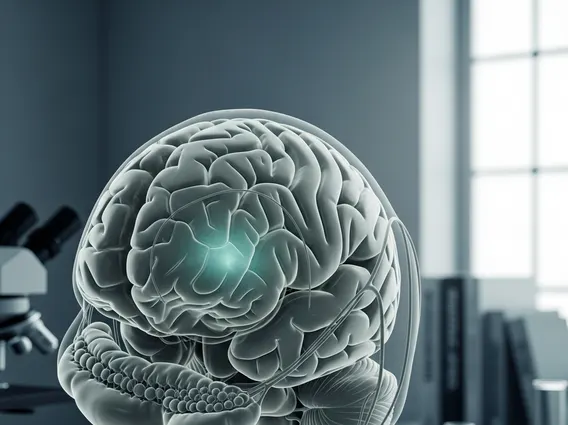
Key Takeaways
- The Hypothalamus is a small, almond-sized brain region located deep within the brain, below the thalamus.
- It serves as a critical link between the nervous system and the endocrine system, regulating hormone release.
- Key functions include controlling body temperature, hunger, thirst, sleep-wake cycles, and emotional responses.
- It produces various releasing and inhibiting hormones that regulate the anterior pituitary gland.
- The precise hypothalamus function and location are fundamental for maintaining the body’s internal equilibrium.
What is Hypothalamus: Location and Anatomy
The Hypothalamus is a small but incredibly significant structure nestled deep within the brain, specifically in the diencephalon region. Located just below the thalamus and above the brainstem, it forms the floor of the third ventricle. Despite its modest size, roughly that of an almond, its strategic position allows it to serve as a crucial bridge between the nervous system and the endocrine system. Its intricate network of neurons and nuclei makes it a central processing unit for many involuntary bodily functions.
Anatomically, the hypothalamus is composed of several nuclei, or clusters of neurons, each responsible for different functions. It is richly supplied with blood vessels and has extensive neural connections to other parts of the brain, including the brainstem, limbic system, and cerebral cortex. This broad connectivity enables it to receive sensory information from various sources and integrate it to produce coordinated physiological responses. A particularly important anatomical connection is its direct link to the pituitary gland, a pea-sized gland often referred to as the “master gland” of the endocrine system. This connection is vital for its role in hormone regulation, allowing it to exert widespread influence over the body’s physiological processes and ensuring that the body’s internal environment remains stable. The precise hypothalamus function and location are thus critical for maintaining overall bodily homeostasis.
Hypothalamus Function: Role in the Human Body and Hormone Regulation
The primary role of hypothalamus in human body is to maintain homeostasis, ensuring that the body’s internal conditions remain stable despite external changes. It achieves this by monitoring various physiological parameters and initiating appropriate responses. Its functions are diverse and critical for survival, influencing everything from basic metabolic processes to complex behaviors. The hypothalamus constantly receives information about the body’s state, processes it, and then sends out commands to adjust physiological parameters.
Key functions regulated by the hypothalamus include:
- Body Temperature Regulation: It acts as the body’s thermostat, initiating sweating or shivering to maintain a stable core temperature.
- Hunger and Thirst: It controls appetite, satiety, and fluid balance, prompting eating or drinking as needed to maintain energy and hydration.
- Sleep-Wake Cycles: It influences circadian rhythms, regulating when we feel sleepy or awake, and ensuring proper rest and activity patterns.
- Emotional Responses: It plays a significant role in feelings of pleasure, anger, fear, and stress, integrating with the limbic system to modulate emotional behavior.
- Sexual Drive: It influences reproductive behaviors and the release of hormones critical for sexual function and development.
Furthermore, the hypothalamus hormones and regulation are central to its endocrine functions. It produces several neurohormones that either stimulate or inhibit the secretion of hormones from the anterior pituitary gland. These include releasing hormones (e.g., Gonadotropin-releasing hormone (GnRH), Corticotropin-releasing hormone (CRH), Thyrotropin-releasing hormone (TRH), Growth hormone-releasing hormone (GHRH)) and inhibiting hormones (e.g., Somatostatin, Dopamine). These hypothalamic hormones travel through a specialized portal system to the anterior pituitary, where they control the release of its own hormones, which then act on other endocrine glands. Additionally, the hypothalamus produces antidiuretic hormone (ADH) and oxytocin, which are then transported to and released by the posterior pituitary gland. Through these intricate hormonal pathways, the hypothalamus effectively orchestrates the activity of other endocrine glands throughout the body, impacting metabolism, growth, reproduction, and stress responses, thereby ensuring the body’s harmonious operation.



















