Extrahepatic Bile Duct
The extrahepatic bile duct is a vital component of the digestive system, playing a crucial role in the transport of bile. Understanding its structure and function is essential for comprehending various gastrointestinal conditions.
Key Takeaways
- The extrahepatic bile duct is a system of tubes outside the liver that transports bile from the liver and gallbladder to the small intestine.
- Its primary function is to aid in fat digestion and absorption by delivering bile, which emulsifies fats.
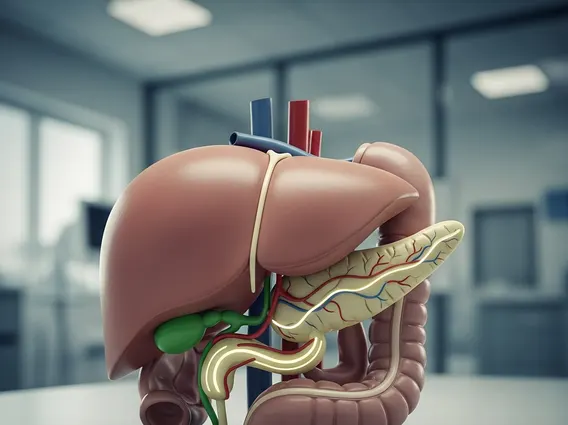
- Anatomically, it includes the common hepatic duct, cystic duct, and common bile duct, ultimately emptying into the duodenum.
- Various conditions, such as gallstones, strictures, and cancers, can affect this duct, leading to significant health issues.
- Early diagnosis and treatment are crucial for managing diseases of the extrahepatic bile duct effectively.
What is the Extrahepatic Bile Duct?
The Extrahepatic Bile Duct refers to the network of bile ducts located outside the liver that are responsible for collecting and transporting bile. Bile, a digestive fluid produced by the liver, is essential for the breakdown and absorption of fats in the small intestine. This duct system ensures that bile reaches the duodenum, either directly from the liver or after temporary storage in the gallbladder. It is a critical pathway for digestion and waste elimination, connecting the liver and gallbladder to the digestive tract.
Anatomy and Function of the Extrahepatic Bile Duct
The extrahepatic bile duct anatomy is a complex yet highly organized system designed for efficient bile transport. It begins where the right and left hepatic ducts merge to form the common hepatic duct. The gallbladder, a small organ that stores and concentrates bile, connects to the common hepatic duct via the cystic duct. These two ducts then join to form the common bile duct, which descends behind the duodenum and pancreas. The common bile duct typically merges with the main pancreatic duct to form the ampulla of Vater, which then empties into the duodenum through the sphincter of Oddi.
The primary function of extrahepatic bile duct is to facilitate the flow of bile from the liver and gallbladder into the small intestine. This bile contains bile salts, cholesterol, bilirubin, and other waste products. Bile salts are crucial for emulsifying dietary fats, breaking them into smaller droplets that can be more easily digested by pancreatic lipases. Additionally, bile helps in the absorption of fat-soluble vitamins (A, D, E, K) and aids in the excretion of bilirubin, a byproduct of red blood cell breakdown, from the body.
Here’s a breakdown of its main components:
- Common Hepatic Duct: Formed by the union of the right and left hepatic ducts, carrying bile from the liver.
- Cystic Duct: Connects the gallbladder to the common hepatic duct, allowing bile to flow in and out of the gallbladder.
- Common Bile Duct: Formed by the junction of the common hepatic and cystic ducts, transporting bile to the duodenum.
- Ampulla of Vater: The common channel formed by the union of the common bile duct and the main pancreatic duct.
- Sphincter of Oddi: A muscular valve that controls the flow of bile and pancreatic juice into the duodenum.
Common Diseases Affecting the Extrahepatic Bile Duct
The extrahepatic bile duct is susceptible to various conditions that can impair bile flow and lead to significant health complications. These extrahepatic bile duct diseases often manifest with symptoms such as jaundice, abdominal pain, fever, and nausea. One of the most common issues is choledocholithiasis, where gallstones migrate from the gallbladder into the common bile duct, causing obstruction. This can lead to cholangitis, a severe infection of the bile ducts.
Other conditions include:
- Bile Duct Strictures: Narrowing of the bile ducts, often due to inflammation, injury, or surgical complications. These strictures can impede bile flow, leading to jaundice and recurrent infections.
- Cholangiocarcinoma: A rare but aggressive cancer originating in the bile ducts. This malignancy can develop in any part of the bile duct system, including the extrahepatic segments, and often presents with progressive jaundice. According to the American Cancer Society, cholangiocarcinoma is relatively rare, with about 8,000 new cases diagnosed in the United States each year, making early detection challenging due to its often subtle initial symptoms.
- Primary Sclerosing Cholangitis (PSC): A chronic liver disease characterized by inflammation and scarring of the bile ducts, both inside and outside the liver. This progressive condition can lead to liver damage, cirrhosis, and an increased risk of cholangiocarcinoma.
- Biliary Cysts: Abnormal, fluid-filled sacs that form on the bile ducts. While often benign, they can cause obstruction or become cancerous over time.
Diagnosis typically involves imaging techniques such as ultrasound, CT scans, MRI, and endoscopic retrograde cholangiopancreatography (ERCP). Treatment options vary depending on the specific disease and may include endoscopic procedures to remove stones or place stents, surgical intervention, or chemotherapy for malignancies.