
Extrahepatic
In medical terminology, extrahepatic is a descriptive term used to indicate structures, processes, or conditions that are located or occur outside the liver. This distinction is crucial for accurate diagnosis and treatment planning in various clinical contexts.
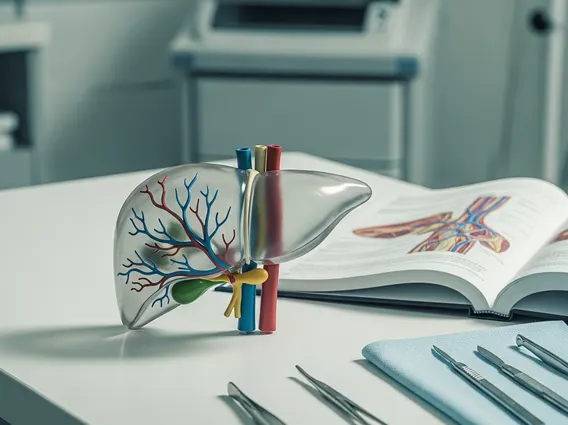
Key Takeaways
- Extrahepatic refers to anything situated or occurring outside the liver.
- It helps differentiate medical conditions and anatomical structures from those found within the liver itself.
- Key extrahepatic organs include the gallbladder, common bile duct, and parts of the pancreas.
- Understanding the distinction between extrahepatic and intrahepatic is vital for diagnosing liver and biliary system disorders.
What is Extrahepatic?
The term extrahepatic is a medical descriptor that literally means “outside the liver.” It is fundamental in anatomy, physiology, and pathology to delineate structures or processes that are external to the liver parenchyma. The extrahepatic definition encompasses any anatomical component or pathological event that occurs beyond the boundaries of the liver organ itself, yet often remains functionally related to it, particularly concerning the biliary system.
This distinction is critical for clinicians, as the location of a disease or anatomical variation—whether inside or outside the liver—can significantly impact diagnosis, prognosis, and treatment strategies. For instance, blockages in the bile ducts can be classified as extrahepatic or intrahepatic, each requiring different diagnostic approaches and interventions.
Extrahepatic Organs and Structures
Several vital structures and organs are classified as extrahepatic organs because they are located outside the liver but are intimately involved in its functions, especially digestion and waste elimination. These components are essential for the proper functioning of the hepatobiliary system.
Key extrahepatic structures include:
- Gallbladder: A small organ situated beneath the liver that stores and concentrates bile produced by the liver.
- Common Bile Duct: This duct carries bile from the liver and gallbladder to the duodenum (the first part of the small intestine). Its segments outside the liver are considered extrahepatic.
- Cystic Duct: Connects the gallbladder to the common bile duct.
- Pancreatic Duct: While primarily associated with the pancreas, it often joins the common bile duct before emptying into the duodenum, making its distal portion relevant in extrahepatic considerations.
- Duodenum: The initial segment of the small intestine where bile and pancreatic enzymes are released to aid digestion.
Disorders affecting these extrahepatic structures, such as gallstones obstructing the common bile duct or tumors in the head of the pancreas, can lead to conditions like jaundice or pancreatitis, necessitating careful differentiation from conditions originating within the liver itself.
Extrahepatic vs. Intrahepatic: Key Differences
Understanding the distinction between extrahepatic vs intrahepatic is paramount in medical diagnostics and treatment. These terms define the location of anatomical structures or pathological conditions relative to the liver, guiding clinical decision-making. Intrahepatic refers to anything located or occurring within the liver, while extrahepatic pertains to structures or events outside it.
The primary difference lies in their anatomical position and the implications for disease presentation and management. For example, intrahepatic bile ducts are tiny channels within the liver that collect bile, whereas extrahepatic bile ducts are larger conduits outside the liver that transport bile to the intestine. Conditions affecting these two regions often have distinct causes, symptoms, and therapeutic approaches.
| Feature | Extrahepatic | Intrahepatic |
|---|---|---|
| Location | Outside the liver parenchyma | Within the liver parenchyma |
| Examples of Structures | Gallbladder, common bile duct, cystic duct, distal pancreatic duct | Hepatic sinusoids, intrahepatic bile ducts, hepatocytes |
| Clinical Significance | Often associated with obstructive jaundice (e.g., gallstones, pancreatic tumors) | Associated with liver diseases (e.g., hepatitis, cirrhosis, primary biliary cholangitis) |
| Diagnostic Approach | Ultrasound, CT, MRI, ERCP, MRCP | Liver biopsy, blood tests, specialized imaging (e.g., elastography) |
This clear anatomical separation allows for more precise localization of diseases, such as differentiating between an extrahepatic biliary obstruction and an intrahepatic cholestasis, which are treated very differently. Accurate identification is crucial for effective patient care.



















