Respiratory Disease
Respiratory Disease encompasses a broad range of conditions affecting the lungs and other parts of the respiratory system, impairing the body’s ability to breathe effectively. These illnesses can range from acute infections to chronic conditions, significantly impacting quality of life and overall health.
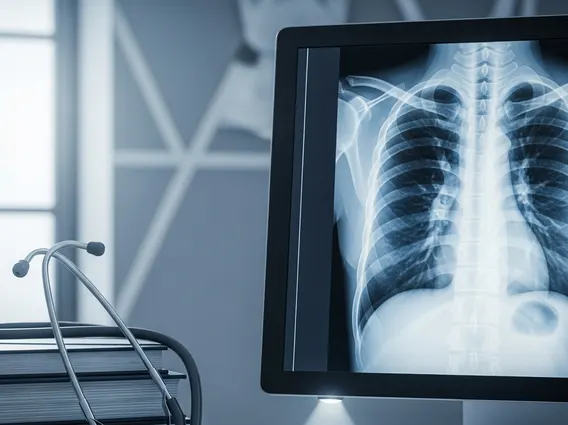
Key Takeaways
- Respiratory diseases affect the airways and lungs, hindering normal breathing.
- Common types include asthma, COPD, pneumonia, and cystic fibrosis, each with distinct symptoms.
- Causes range from infections and environmental factors to genetics and lifestyle choices.
- Prevention strategies include vaccination, avoiding irritants, and maintaining good hygiene.
- Early diagnosis and management are crucial for effective treatment and improved outcomes.
What is Respiratory Disease?
Respiratory Disease refers to any condition that affects the organs and tissues involved in breathing, such as the nasal passages, pharynx, larynx, trachea, bronchi, and lungs. These conditions can disrupt the normal exchange of oxygen and carbon dioxide, leading to symptoms like shortness of breath, coughing, and wheezing. Effective understanding respiratory health issues is vital, as these diseases are a major global health concern. According to the World Health Organization (WHO), chronic respiratory diseases are among the leading causes of death and disability worldwide, affecting hundreds of millions of people.
Common Types of Respiratory Diseases and Their Symptoms
There are numerous types of respiratory diseases and symptoms associated with them, varying widely in severity and impact. Some of the most prevalent conditions include asthma, chronic obstructive pulmonary disease (COPD), pneumonia, and cystic fibrosis. Each condition presents with a unique set of challenges and manifestations, making it important for common respiratory conditions explained clearly to the public.
For instance, asthma is a chronic inflammatory disease of the airways that causes recurrent episodes of wheezing, breathlessness, chest tightness, and coughing. COPD, which includes emphysema and chronic bronchitis, is characterized by persistent airflow limitation and symptoms such as a chronic cough, excessive mucus production, and increasing difficulty breathing. Pneumonia is an infection that inflames the air sacs in one or both lungs, which may fill with fluid or pus, leading to cough with phlegm or pus, fever, chills, and difficulty breathing. Cystic fibrosis is a genetic disorder that causes severe damage to the lungs and digestive system due to thick, sticky mucus buildup.
Common symptoms that may indicate a respiratory issue and warrant medical attention include:
- Persistent cough, especially if it produces mucus or blood
- Shortness of breath (dyspnea), particularly during activity or at rest
- Wheezing or noisy breathing
- Chest tightness or pain
- Frequent respiratory infections
- Fatigue and reduced exercise tolerance
Causes and Prevention of Respiratory Illnesses
The causes and prevention of respiratory illness are diverse, encompassing a combination of genetic, environmental, and lifestyle factors. Infectious agents like viruses (e.g., influenza, common cold viruses, SARS-CoV-2) and bacteria (e.g., Streptococcus pneumoniae) are common causes of acute respiratory infections. Environmental factors play a significant role, with exposure to air pollution, allergens (like pollen, dust mites, pet dander), occupational hazards (such as asbestos or chemical fumes), and secondhand smoke contributing to the development and exacerbation of many respiratory conditions. Genetic predispositions can also increase an individual’s susceptibility to certain diseases, such as asthma or cystic fibrosis, while personal habits like smoking are a primary cause of conditions like COPD and lung cancer.
Preventing respiratory illnesses often involves a multi-faceted approach:
- Vaccination: Receiving recommended vaccinations, such as for influenza and pneumococcal disease, can significantly reduce the risk of severe infections.
- Avoiding Irritants: Minimizing exposure to tobacco smoke (both active and passive), air pollution, and occupational dusts or chemicals is crucial.
- Good Hygiene: Practicing regular handwashing and avoiding touching the face can help prevent the spread of infectious agents.
- Healthy Lifestyle: Maintaining a balanced diet, regular physical activity, and adequate sleep supports overall immune function and respiratory health.
- Early Diagnosis and Management: Prompt medical attention for respiratory symptoms allows for early diagnosis and initiation of appropriate treatment, preventing conditions from worsening.