
Stent
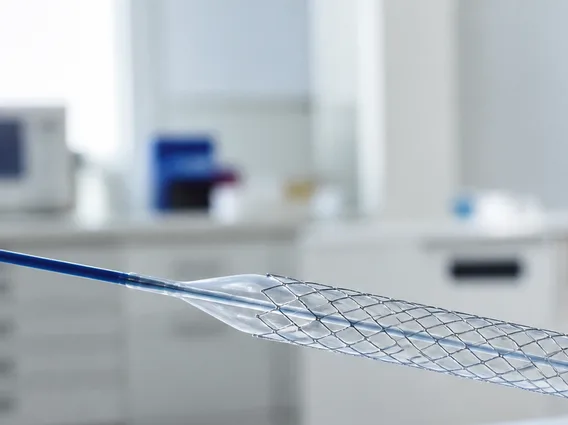
A Stent is a small, mesh-like tube used in medical procedures to open and keep passages, such as arteries, open. This device plays a crucial role in restoring blood flow or maintaining the patency of various bodily conduits.
Key Takeaways
- A Stent is a small, expandable tube inserted into a vessel or duct to prevent or counteract a localized flow constriction.
- They are primarily used to treat narrowed or blocked arteries, but also find applications in other body passages like the esophagus or bile ducts.
- Different types of stents exist, including bare-metal stents (BMS) and drug-eluting stents (DES), each suited for specific medical conditions.
- Stent placement is typically a minimally invasive procedure, often performed via catheterization, with recovery times varying based on the individual and stent type.
- Stents work by providing structural support to keep a vessel open, improving blood flow and reducing symptoms of blockages.
What is a Stent and How Does it Work?
A Stent is a small, expandable tube that a physician inserts into a natural passage or conduit in the body to prevent or counteract a localized flow constriction. These devices are most commonly associated with cardiovascular health, where they are used to treat narrowed or blocked arteries, a condition often caused by atherosclerosis. However, stents are also utilized in other areas of the body, including the esophagus, bile ducts, and urinary tracts, to maintain patency and ensure proper function.
Stents work in the body by providing structural support to the inner walls of a vessel or duct. During a procedure, the stent is typically delivered to the target site via a catheter, often in a collapsed state. Once positioned, it is expanded, usually by inflating a balloon, which pushes against the vessel walls and embeds the stent. The stent then acts as a scaffold, holding the vessel open and preventing it from collapsing or re-narrowing. This mechanism ensures improved flow of blood or other fluids, alleviating symptoms and reducing the risk of further complications. For instance, in coronary arteries, stents significantly improve blood flow to the heart muscle, reducing chest pain (angina) and the risk of heart attack. According to the Centers for Disease Control and Prevention (CDC), coronary artery disease affects millions of adults in the United States, and percutaneous coronary intervention (PCI) with stent placement is a common and effective treatment.
Types of Stents and Their Medical Uses
The medical applications of stents are diverse, addressing various conditions where vessel or duct patency is compromised. The primary purpose of a stent is to restore and maintain the flow of fluids, such as blood, bile, or urine, through a narrowed passage. For example, in coronary artery disease, stents are used to open blocked heart arteries, restoring vital blood flow to the heart muscle. Beyond the heart, stents are crucial in treating peripheral artery disease, renal artery stenosis, and blockages in the digestive and urinary systems.
There are several types of stents medical procedure involves, each designed for specific anatomical locations and clinical needs. The two main categories for vascular applications are:
- Bare-Metal Stents (BMS): These are made of stainless steel or cobalt-chromium alloys and provide mechanical scaffolding to keep the vessel open. While effective, BMS have a higher risk of restenosis (re-narrowing of the artery) due to tissue overgrowth within the stent.
- Drug-Eluting Stents (DES): These stents are coated with medication that is slowly released over time. The drugs help to prevent the growth of scar tissue inside the artery, significantly reducing the risk of restenosis compared to BMS. DES are now the most commonly used type of coronary stent.
Other specialized stents include bioresorbable stents, which gradually dissolve in the body over time; covered stents, used to treat aneurysms or perforations; and self-expanding stents, often used in peripheral arteries or non-vascular ducts like the esophagus or trachea. The choice of stent depends on the patient’s specific condition, the location of the blockage, and other medical factors.
Stent Placement Procedure and Recovery Time
The procedure for stent placement is generally minimally invasive, typically performed in a hospital catheterization laboratory. The process usually involves a small incision, often in the groin or wrist, through which a thin, flexible tube called a catheter is inserted into a blood vessel. Guided by X-ray imaging, the catheter is advanced to the site of the blockage. A balloon-tipped catheter is then threaded through the main catheter to the narrowed area, where the balloon is inflated to open the vessel. The stent, which is usually mounted on this balloon, expands as the balloon inflates, pressing against the vessel walls. Once the stent is securely in place, the balloon is deflated and removed, leaving the stent behind to maintain the vessel’s patency.
The stent placement recovery time varies depending on the type of procedure, the patient’s overall health, and whether there were any complications. Most patients can expect to stay in the hospital for a day or two after a coronary stent placement. During this time, medical staff monitor for any signs of bleeding, infection, or adverse reactions. Patients are typically advised to avoid strenuous activities, heavy lifting, and intense exercise for a few days to a week. Full recovery and return to normal activities often occur within a week or two. Long-term recovery involves adhering to prescribed medications, particularly antiplatelet drugs to prevent blood clots, and adopting a heart-healthy lifestyle, including diet, exercise, and smoking cessation, to maintain the benefits of the stent and prevent future blockages.



















