
Partial Cystectomy
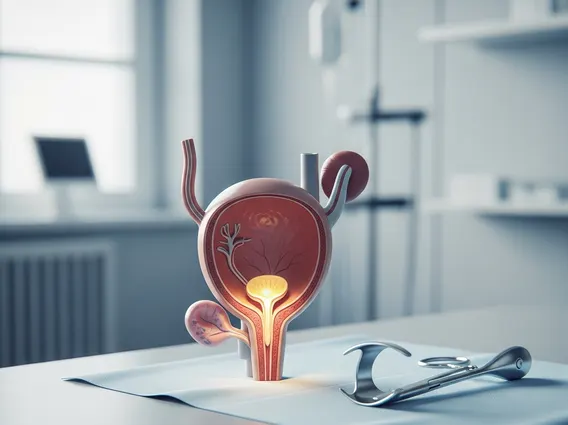
Partial cystectomy is a surgical procedure involving the removal of a portion of the bladder. This intervention is typically performed to treat specific conditions while preserving as much healthy bladder tissue as possible.
Key Takeaways
- Partial cystectomy removes a section of the bladder, primarily for localized tumors or lesions.
- The procedure aims to preserve bladder function, offering an alternative to full bladder removal in selected cases.
- Patient preparation involves a comprehensive medical evaluation and specific instructions before surgery.
- Recovery includes managing pain, monitoring for complications, and a gradual return to normal activities.
- Benefits include bladder preservation, but potential risks like infection or changes in bladder function exist.
What is Partial Cystectomy?
What is partial cystectomy is a surgical procedure where only a part of the urinary bladder is removed, rather than the entire organ. This approach is primarily used when a tumor or lesion is localized and has not spread extensively, allowing for the preservation of significant bladder function. The goal is to excise the diseased portion while leaving enough healthy tissue for the bladder to continue storing urine effectively. This procedure is distinct from a radical cystectomy, which involves the complete removal of the bladder and often surrounding lymph nodes and reproductive organs. According to the American Cancer Society, bladder cancer is the sixth most common cancer in the U.S., and while radical cystectomy is often necessary for invasive cancers, partial cystectomy offers a less invasive option for carefully selected patients, particularly those with low-grade, non-muscle invasive tumors or solitary, resectable muscle-invasive tumors.
Procedure Details, Indications, and Preparation
The partial cystectomy procedure details involve several crucial steps. Typically performed under general anesthesia, the surgeon makes an incision in the abdomen to access the bladder. The affected portion of the bladder, along with a margin of healthy tissue, is carefully excised. The remaining healthy bladder edges are then meticulously sutured together, reconstructing the bladder. A catheter is usually inserted to drain urine and allow the bladder to heal.
Indications for a partial cystectomy include:
- Solitary, low-grade, non-muscle invasive bladder tumors that are not amenable to transurethral resection.
- Select cases of muscle-invasive bladder cancer where the tumor is small, solitary, located in a favorable area (e.g., dome of the bladder), and the patient wishes to preserve their bladder.
- Certain benign conditions, such as large bladder diverticula or specific types of bladder endometriosis, that cause significant symptoms.
Patient preparation for this surgery involves a thorough medical evaluation, including blood tests, imaging scans (like CT or MRI), and a cystoscopy to assess the tumor’s size and location. Patients are typically advised to stop certain medications, such as blood thinners, a week or two before surgery. Fasting for a specified period before the procedure is also required. Detailed instructions regarding diet, hydration, and bowel preparation may also be provided by the medical team to ensure optimal surgical conditions and minimize complications.
Recovery, Risks, and Potential Benefits
Recovery after partial cystectomy typically involves a hospital stay of several days, during which pain management is crucial. Patients will have a urinary catheter in place for about one to two weeks to allow the bladder to heal. During this period, it’s common to experience some discomfort, urgency, and frequency of urination as the bladder adjusts to its reduced capacity. Gradual mobilization is encouraged to prevent complications like blood clots. Full recovery, including the return to normal activities, can take several weeks to a few months, depending on the individual’s overall health and the extent of the surgery. Regular follow-up appointments are essential to monitor healing and check for any recurrence of the underlying condition.
Like any surgical procedure, partial cystectomy risks and benefits must be carefully considered. Potential risks include infection at the surgical site or in the urinary tract, bleeding, urine leakage from the suture line, stricture formation (narrowing) at the surgical site, changes in bladder function such as increased urinary frequency or urgency due to reduced bladder capacity, and anesthetic complications.
The primary benefit of a partial cystectomy is the preservation of the native bladder, which can significantly improve quality of life compared to a radical cystectomy that often requires urinary diversion. This allows patients to maintain natural urination patterns, avoiding the need for an ostomy bag or internal pouch. For carefully selected patients, it can be an effective treatment for localized bladder conditions, offering a balance between disease control and functional preservation.



















