
Partial Hysterectomy
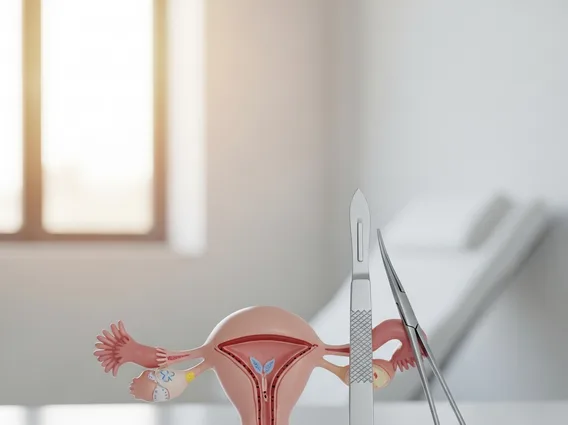
A partial hysterectomy is a surgical procedure involving the removal of the uterus while leaving the cervix intact. This operation is performed for various gynecological conditions, offering a less invasive option for some patients.
Key Takeaways
- A partial hysterectomy removes the uterus but preserves the cervix.
- It offers benefits like potentially reduced surgical complications and faster recovery compared to a total hysterectomy.
- The decision between a partial and total hysterectomy depends on the patient’s specific medical condition and health history.
- Partial hysterectomy recovery time typically ranges from 4 to 6 weeks, with individual variations.
- This procedure can significantly improve quality of life for women suffering from conditions like fibroids or endometriosis.
What is a Partial Hysterectomy and Its Benefits?
A partial hysterectomy, also known as a supracervical hysterectomy, is a surgical procedure where the main body of the uterus is removed, but the cervix is left in place. This differs from a total hysterectomy, which involves the removal of both the uterus and the cervix. The procedure is typically performed to address various gynecological issues, such as uterine fibroids, endometriosis, adenomyosis, or abnormal uterine bleeding, when conservative treatments have not been effective. The choice to leave the cervix intact is often made to potentially preserve pelvic floor support and sexual function.
The benefits of partial hysterectomy can be significant for eligible patients. One primary advantage is the potential for a quicker and less complicated recovery compared to a total hysterectomy, as the surgical area is generally smaller. Preserving the cervix may also contribute to maintaining vaginal length and pelvic floor integrity, which some women believe can help prevent issues like vaginal prolapse and bladder dysfunction. Additionally, some studies suggest that leaving the cervix intact might have a positive impact on sexual function and body image for certain individuals, as it can help maintain natural lubrication and sensation. While specific statistics for partial hysterectomies are often grouped with total hysterectomies, the Centers for Disease Control and Prevention (CDC) reports that hysterectomy is one of the most common surgical procedures for women in the United States, underscoring its importance in managing various gynecological conditions and improving quality of life.
Partial vs. Total Hysterectomy & Recovery
Understanding the distinction between a partial hysterectomy vs total hysterectomy is crucial for patients considering surgical options. While both procedures involve the removal of the uterus, the key difference lies in the fate of the cervix. A partial hysterectomy leaves the cervix, the lower part of the uterus, intact. In contrast, a total hysterectomy involves removing both the uterus and the cervix. The decision between these two approaches is highly individualized, based on factors such as the underlying medical condition, the presence of cervical abnormalities, and the patient’s preferences.
For instance, if a patient has a history of abnormal Pap smears or cervical cancer, a total hysterectomy is generally recommended to remove all at-risk tissue. However, for conditions like uterine fibroids without cervical involvement, a partial hysterectomy might be a viable option. The surgical approach can also vary, with both procedures being performed abdominally, laparoscopically, or vaginally, each having its own implications for recovery and potential complications.
| Feature | Partial Hysterectomy | Total Hysterectomy |
|---|---|---|
| Removed Organs | Uterus (body) | Uterus (body) and Cervix |
| Cervix | Left intact | Removed |
| Potential Risks | Cervical cancer screening still required; potential for cyclical bleeding (if endometrial tissue remains) | No cervical cancer screening needed post-op; higher risk of vaginal prolapse (some studies suggest) |
| Recovery | Potentially shorter and less complex | Potentially longer and more complex |
| Pelvic Support | May offer better preservation of pelvic floor support | May have a higher risk of pelvic floor issues (though often mitigated) |
The partial hysterectomy recovery time typically ranges from 4 to 6 weeks, though this can vary significantly based on the individual’s overall health, the surgical method used (e.g., laparoscopic vs. abdominal), and the presence of any complications. Patients are generally encouraged to walk short distances soon after surgery to promote circulation and prevent blood clots. During the initial recovery period, patients are advised to avoid heavy lifting, strenuous activities, and sexual intercourse to allow the surgical sites to heal properly. Pain management, rest, and gradual resumption of normal activities are key components of a successful recovery. Most women can return to light activities and desk jobs within a few weeks, but full recovery and the ability to engage in more demanding physical tasks may take longer. It is crucial for patients to follow their surgeon’s post-operative instructions carefully and attend regular follow-up appointments to monitor healing and address any concerns promptly.



















