Osteosarcoma Signs & Symptoms
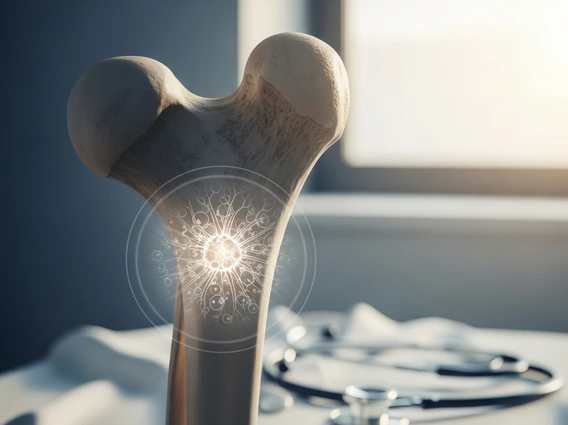
Osteosarcoma is a rare type of bone cancer that most often develops in children, adolescents, and young adults, usually forming in the long bones near the knee or in the upper arm. Recognizing its signs and symptoms early is important for timely diagnosis and effective treatment.
Key Takeaways
- Persistent bone pain in or around a bone or joint, sometimes worsening with activity, is the most frequently reported osteosarcoma symptom.
- A noticeable swelling or lump over the affected bone, often near the knee or upper arm, can be an early physical sign.
- This cancer typically develops during childhood and the teen years, most commonly between the ages of 10 and 19, and is diagnosed less often in adults.
- Joint stiffness, a limp, or difficulty walking can develop when the tumor is near a joint.
- Persistent, unexplained bone pain or swelling that does not improve should be evaluated by a doctor.
Initial Osteosarcoma Symptoms
The earliest signs of osteosarcoma can be subtle and are sometimes mistaken for normal growing pains or a minor injury, particularly in children and teens.
Persistent Bone Pain
Aching or discomfort felt directly in a bone, or in a nearby joint, is among the earliest things doctors ask about when osteosarcoma is suspected; if the tumor is in an arm, that discomfort can also show up specifically when lifting or raising it. Because this kind of ache can resemble a strain, a sports injury, or normal growing pains, discomfort that lingers or keeps going rather than easing should prompt a visit to the doctor.
Localized Tenderness
The area over a bone tumor can also feel tender or sensitive to the touch as it grows, alongside the pain and swelling described above. Tenderness by itself does not confirm cancer, but combined with persistent pain, it is a detail worth mentioning to a doctor.
Physical Signs of Osteosarcoma
As osteosarcoma progresses, physical changes such as swelling or a lump become more noticeable and often prompt a family to seek medical care.
Noticeable Swelling or Lump
A swelling or lump that forms over the affected bone is one of the symptoms linked to osteosarcoma, showing up where the tumor is growing. Because this cancer most often develops in a limb bone close to the knee joint or in the upper arm, swelling in those spots is a fairly recognizable pattern, though a tumor can occasionally form in other bones. Any new or enlarging swelling near a bone, particularly alongside pain, is a reason to see a doctor.
Restricted Movement and Limping
When the tumor affects a bone near a joint — such as the knee, hip, or shoulder — it can cause stiffness in that joint and a limp or difficulty walking, both of which doctors look for when evaluating a child for osteosarcoma. Pain and swelling can make it harder to fully bend or straighten the affected limb, which may impact daily activities and participation in sports.
Osteosarcoma Symptoms by Age Group
While the same core symptoms occur across age groups, how they present — and how they are initially interpreted — can differ between children, teens, and adults.
Symptoms in Children and Teens
Osteosarcoma occurs most often in children and adolescents, typically between ages 10 and 19, a period that overlaps with the teenage growth spurt. Because of this timing, persistent bone pain or a limp is sometimes initially attributed to growing pains, a sports injury, or a minor fall. Unlike typical growing pains, which tend to come and go, pain from osteosarcoma more often stays localized to one area and continues rather than resolving, which is why a doctor should evaluate bone pain that persists or a limp with no clear cause.
Adult Osteosarcoma Presentation
Osteosarcoma is less common in adults, though it can occur at any age, and in older adults it is sometimes associated with prior radiation therapy or certain underlying bone conditions. The core symptoms — bone pain, swelling, and sometimes a palpable mass — are similar to those in younger patients. In adults, however, these symptoms may be more readily attributed to arthritis or other degenerative joint conditions, so persistent or worsening bone pain and swelling should still be evaluated by a doctor regardless of age.
When to Seek Medical Advice for Bone Pain
Not all bone pain signals cancer, but certain patterns are worth discussing with a doctor without delay.
Red Flags for Persistent Pain
- Pain that persists or continues to worsen, especially if it lasts more than a few weeks.
- Swelling or a new, palpable lump near a bone, particularly if it is growing or painful.
- Difficulty moving a joint or a new limp with no clear cause.
- A fracture from a minor fall or impact that seems out of proportion to the injury — a documented symptom of osteosarcoma, since the tumor can weaken the bone it forms in.
Importance of Early Diagnosis
Bringing persistent bone pain, swelling, or a limp to a doctor’s attention promptly allows the diagnostic work-up — typically imaging and, if needed, a biopsy — to start sooner. Osteosarcoma staging and treatment planning are covered in more detail elsewhere; this page focuses on the symptoms that lead to that evaluation.
Frequently Asked Questions
What is the most common initial symptom of osteosarcoma?
Ongoing discomfort felt in a bone or a nearby joint — sometimes noticeable in the arm specifically when lifting it — is usually the earliest symptom doctors look for. Unlike a typical strain, it tends to continue rather than ease with time. Bone pain that lingers for more than a few weeks is worth discussing with a doctor.
Can osteosarcoma symptoms be mistaken for other conditions?
Yes — pain and swelling can resemble a sports injury, a strain, or normal growing pains, especially in children and teens. This overlap is why persistent or unusual bone pain that does not resolve as expected should be evaluated by a doctor rather than assumed to be minor.
Why is early diagnosis important for osteosarcoma?
Recognizing symptoms early allows a doctor to begin the diagnostic work-up sooner, which supports timely treatment planning. Persistent, unexplained bone pain, swelling, or a limp should never be ignored, regardless of age.
Sources