
Neuronal Tumor
A neuronal tumor represents an abnormal growth of cells originating from neurons or their precursor cells within the central or peripheral nervous system. These tumors can vary significantly in their characteristics, affecting individuals of all ages.
Key Takeaways
- Neuronal tumor refers to a diverse group of growths arising from nerve cells, often found in the brain.
- These tumors can be benign or malignant, with many exhibiting slow growth and a relatively favorable prognosis.
- Neuronal tumor symptoms are varied, depending on the tumor’s location and size, commonly including seizures and headaches.
- Diagnosis typically involves advanced imaging techniques like MRI, followed by a biopsy for definitive confirmation.
- Neuronal tumor diagnosis and treatment often involves surgical removal, sometimes complemented by radiation or chemotherapy.
What is a Neuronal Tumor?
A neuronal tumor is a type of neoplasm that originates from neuronal cells, which are the fundamental units of the nervous system responsible for transmitting information. These tumors are often found in the brain, but can also occur in the spinal cord or other parts of the nervous system. They encompass a broad spectrum of entities, ranging from benign (non-cancerous) to malignant (cancerous), though many are characterized by slow growth and a generally more favorable prognosis compared to other brain tumor types. According to the World Health Organization (WHO) classification, neuronal and mixed neuronal-glial tumors are distinct categories, reflecting their cellular origins and biological behaviors.
Understanding what is a neuronal tumor involves recognizing its cellular composition. Unlike glial tumors, which arise from the brain’s supportive cells, neuronal tumors are composed primarily of mature or immature neurons. This distinction is crucial for diagnosis and treatment planning, as their biological behavior and response to therapies can differ significantly.
Types and Symptoms of Neuronal Tumors
The classification of types of neuronal tumors is complex, reflecting the diversity of neuronal cells and their developmental stages. Some of the more common types include:
- Ganglioglioma: Often slow-growing, these tumors contain both mature neurons and glial cells. They are frequently associated with long-standing epilepsy, particularly in children and young adults.
- Dysembryoplastic Neuroepithelial Tumor (DNET): Typically benign, DNETs are often found in the temporal lobe and are a common cause of drug-resistant focal epilepsy in children and adolescents.
- Central Neurocytoma: These tumors usually arise in the ventricles of the brain and are composed of uniform neuronal cells. They are generally slow-growing but can sometimes recur.
- Desmoplastic Infantile Ganglioglioma/Astrocytoma (DIG/DIA): Rare tumors seen in infants, often large and cystic, with a generally good prognosis after surgical resection.
The neuronal tumor symptoms experienced by an individual largely depend on the tumor’s location, size, and growth rate. Because many neuronal tumors are slow-growing and often affect areas involved in brain function, seizures are a very common presenting symptom. Other symptoms may include:
- Persistent or worsening headaches, especially those that are worse in the morning.
- Nausea and vomiting, particularly if the tumor causes increased intracranial pressure.
- Neurological deficits such as weakness or numbness on one side of the body.
- Changes in vision, speech, or balance.
- Cognitive changes, including memory problems or personality shifts.
These symptoms can develop gradually over time, making early diagnosis challenging. Any new or persistent neurological symptoms warrant prompt medical evaluation.
Diagnosing and Treating Neuronal Tumors
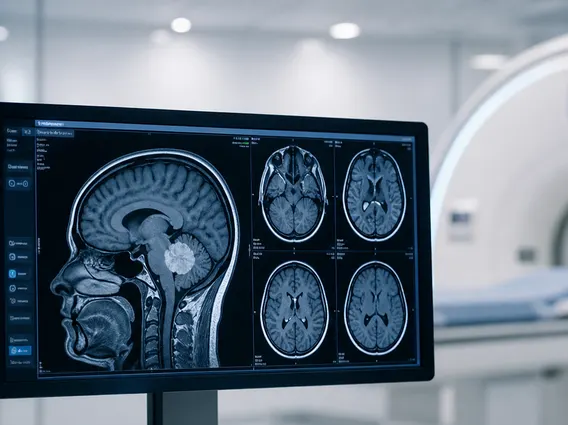
The process of neuronal tumor diagnosis and treatment begins with a thorough clinical evaluation and neurological examination. Imaging studies are critical for identifying the presence and characteristics of a tumor. Magnetic Resonance Imaging (MRI) of the brain or spinal cord is the gold standard, providing detailed images that can help differentiate neuronal tumors from other types of brain lesions. Computed Tomography (CT) scans may also be used, especially in emergency situations or for evaluating bone involvement.
A definitive diagnosis almost always requires a biopsy, where a small sample of the tumor tissue is surgically removed and examined by a neuropathologist. This microscopic analysis confirms the tumor type, its grade (indicating its aggressiveness), and specific molecular markers, which are vital for guiding treatment decisions. In some cases, advanced genetic testing of the tumor tissue can provide further insights into its biological behavior and potential response to targeted therapies.
Treatment strategies for neuronal tumors are highly individualized and depend on factors such as the tumor type, size, location, the patient’s age, and overall health. The primary treatment modality for most neuronal tumors is surgical resection. The goal is to remove as much of the tumor as safely possible, which can often lead to a cure for benign or low-grade tumors. For tumors that cannot be completely removed due to their location or proximity to critical brain structures, or for higher-grade tumors, additional treatments may be recommended:
- Radiation Therapy: Uses high-energy rays to kill cancer cells or shrink tumors. It may be used after surgery to target residual tumor cells or as a primary treatment if surgery is not feasible.
- Chemotherapy: Involves drugs that kill cancer cells. While less commonly used for many low-grade neuronal tumors, it may be considered for more aggressive types or those that recur.
- Targeted Therapy: Newer drugs that specifically target molecular pathways involved in tumor growth may be an option for certain neuronal tumors with specific genetic mutations.
Ongoing monitoring with regular imaging scans is essential after treatment to detect any recurrence or progression. A multidisciplinary team, including neurosurgeons, neurologists, oncologists, and radiation oncologists, typically collaborates to provide comprehensive care for individuals with neuronal tumors.



















