Neuromuscular Electrical Stimulation
Neuromuscular Electrical Stimulation is a therapeutic technique used in rehabilitation to elicit muscle contraction using electrical impulses. It plays a crucial role in restoring muscle function and preventing atrophy in various clinical settings.
Key Takeaways
- Neuromuscular Electrical Stimulation (NMES) uses electrical currents to stimulate nerves, causing muscles to contract.
- It is widely applied in physical therapy for muscle strengthening, pain management, and functional recovery.
- NMES works by mimicking the signals sent from the brain to muscles, promoting muscle re-education and growth.
- Benefits include improved muscle strength, reduced spasticity, enhanced circulation, and accelerated recovery post-injury or surgery.
- It is a non-invasive treatment often integrated into comprehensive rehabilitation programs.
What is Neuromuscular Electrical Stimulation?
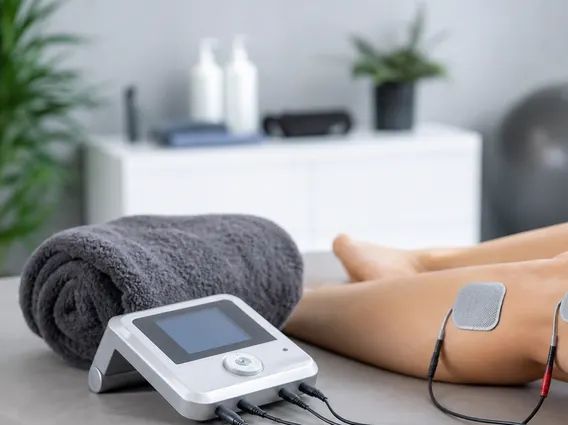
Neuromuscular Electrical Stimulation (NMES) refers to the application of electrical current to stimulate nerves, which in turn causes muscles to contract. This therapeutic modality is primarily used in physical rehabilitation to help individuals regain muscle function, prevent disuse atrophy, and manage pain. The core principle involves delivering controlled electrical impulses through electrodes placed on the skin over target muscles or nerves. These impulses mimic the natural signals sent from the brain, prompting the muscle fibers to contract. It is a non-invasive technique that can be tailored to specific patient needs, making it a versatile tool in various medical and clinical contexts.
How Neuromuscular Electrical Stimulation Works
The mechanism of NMES involves the precise delivery of electrical currents to motor nerves. When these nerves are stimulated, they transmit signals to the muscle fibers, leading to a muscle contraction. Unlike voluntary contractions initiated by the brain, NMES bypasses the central nervous system, directly activating the peripheral nerves. The electrical impulses are typically delivered via surface electrodes, which are placed on the skin over the target muscle group. The parameters of the electrical current, such as intensity, frequency, and pulse duration, can be adjusted to achieve different therapeutic effects. For instance, lower frequencies might be used for pain relief, while higher frequencies are often employed for muscle strengthening and re-education. This direct stimulation helps to activate muscles that may be weakened, inhibited, or difficult to voluntarily contract due to injury, surgery, or neurological conditions.
Benefits and Therapeutic Applications of Neuromuscular Electrical Stimulation (NMES)
The benefits of neuromuscular electrical stimulation are extensive, making it a valuable component of many rehabilitation programs. One primary advantage is its ability to strengthen weakened muscles, particularly after injury, surgery, or prolonged immobilization. It helps prevent muscle atrophy and can improve muscle endurance and power. Furthermore, neuromuscular electrical stimulation therapy is often utilized for pain management, as the electrical impulses can interfere with pain signals and promote the release of endorphins.
Here are some key therapeutic applications:
- Muscle Re-education: Helping patients relearn how to activate muscles after neurological damage (e.g., stroke, spinal cord injury).
- Strength Training: Augmenting voluntary muscle contractions to build strength in athletes or individuals recovering from orthopedic injuries.
- Spasticity Reduction: Decreasing muscle stiffness and involuntary spasms in conditions like cerebral palsy or multiple sclerosis.
- Improved Circulation: Enhancing blood flow to stimulated areas, which can aid in tissue healing and reduce swelling.
- Prevention of Disuse Atrophy: Maintaining muscle mass and function when voluntary movement is limited.
- Swallowing Rehabilitation: Assisting individuals with dysphagia (difficulty swallowing) by stimulating throat muscles.
NMES is a supportive therapy that should always be integrated into a comprehensive treatment plan under the guidance of a healthcare professional. This information is supportive only and does not replace medical treatment.