Neuroma
A neuroma is a benign (non-cancerous) growth of nerve tissue that can develop in various parts of the body, often causing pain and discomfort. This article explores the nature of neuromas, their common symptoms, underlying causes, different types, and how they are typically diagnosed and treated.
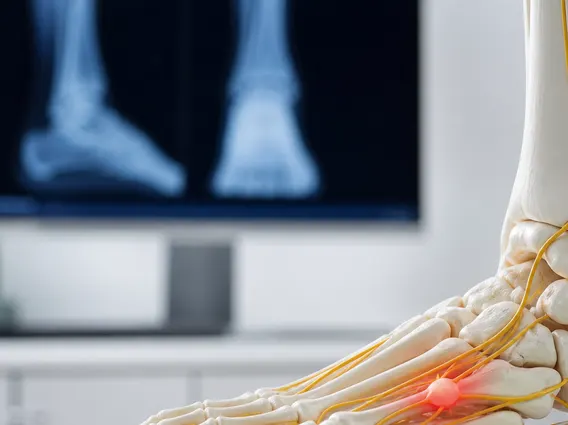
Key Takeaways
- Neuromas are benign growths of nerve tissue, frequently leading to pain, numbness, or tingling.
- They most commonly occur in the foot, known as Morton’s neuroma, but can affect other areas.
- Symptoms often include a burning sensation, pain, and the feeling of a “pebble” inside a shoe.
- Diagnosis typically involves a physical examination, patient history, and imaging studies.
- Treatment options range from conservative measures like footwear changes and injections to surgical removal in persistent cases.
What is a Neuroma?
A Neuroma refers to a thickening or enlargement of nerve tissue, resulting from irritation, compression, or trauma to a nerve. While the term “tumor” is sometimes used, neuromas are not cancerous and do not spread to other parts of the body. They are essentially a reactive process where the nerve tissue attempts to repair itself after injury or chronic pressure, leading to a fibrous mass around the nerve.
These growths can occur anywhere in the body where nerves are present, but they are most frequently found in the foot, specifically between the toes. The pain associated with a neuroma arises from the compressed and irritated nerve, which can send signals of discomfort, burning, or numbness to the brain.
Neuroma Symptoms, Causes, and Types
Understanding neuroma symptoms, causes, and types is crucial for effective management. Symptoms often develop gradually and can worsen over time, particularly with activity or wearing restrictive footwear. The most common symptoms include:
- Sharp, burning pain in the ball of the foot or between the toes.
- Numbness or tingling in the affected toes.
- A sensation of standing on a pebble or a bunched-up sock.
- Pain that radiates into the toes from the ball of the foot.
The primary causes of neuromas are typically related to chronic irritation or compression of a nerve. Factors contributing to this can include wearing tight, narrow, or high-heeled shoes, repetitive stress from certain activities, or foot deformities like bunions or hammertoes. For instance, Morton’s neuroma, the most common type, is often linked to footwear choices and biomechanical imbalances in the foot. According to the American Academy of Orthopaedic Surgeons, Morton’s neuroma affects approximately 1 in 3,000 people annually, with women being 8-10 times more likely to develop it than men, often between the ages of 40 and 60.
While Morton’s neuroma is the most recognized, other types of neuroma explained by their location or cause include stump neuromas (which can form at the site of a nerve injury or amputation) and traumatic neuromas (resulting from direct injury to a nerve). Each type shares the common characteristic of nerve tissue enlargement due to irritation, but their specific locations and contributing factors can vary.
Diagnosing and Treating Neuroma
The process of neuroma diagnosis and treatment begins with a thorough medical history and physical examination. During the exam, a healthcare provider will typically palpate the affected area to locate the tender spot and may perform specific tests, such as the Mulder’s click test, which can sometimes elicit a palpable click or sensation of the neuroma moving between the bones. Imaging studies, such as X-rays, ultrasound, or magnetic resonance imaging (MRI), may be used to rule out other conditions or to confirm the presence and size of the neuroma.
Treatment for neuromas aims to reduce pain and inflammation. Initial approaches are often conservative and may include:
| Treatment Category | Common Interventions |
|---|---|
| Conservative Measures |
|
| Medical Procedures |
|
If conservative and medical treatments do not provide sufficient relief, surgical intervention may be considered. Surgery typically involves removing the affected nerve tissue (neurectomy) or releasing surrounding structures to decompress the nerve. The choice of treatment depends on the severity of symptoms, the size of the neuroma, and the patient’s overall health and lifestyle. It is important to note that any information on alternative or complementary therapies is supportive only and does not replace professional medical treatment or advice.