Mesothelioma Signs & Symptoms
Understanding mesothelioma symptoms is crucial for early detection and improved outcomes. This aggressive cancer, primarily linked to asbestos exposure, often presents with non-specific indicators that can easily be mistaken for less serious conditions, making timely diagnosis challenging.
Key Takeaways
- Early mesothelioma symptoms are often subtle and can resemble common illnesses such as a cold or the flu.
- Symptoms vary depending on where the disease develops, most often affecting the pleura (lining of the lungs) or the peritoneum (lining of the abdomen).
- A history of asbestos exposure, even decades earlier, is an important factor when evaluating possible signs and symptoms of mesothelioma.
- Symptoms that become more severe or widespread can signal disease progression and call for prompt medical attention.
- Persistent, unexplained symptoms — especially with a history of asbestos exposure — warrant a timely medical evaluation.
Recognizing Early Mesothelioma Symptoms
Early mesothelioma symptoms are often vague and non-specific, frequently overlapping with more common respiratory or digestive complaints. Because the disease can progress quietly before causing noticeable problems, recognizing these early indicators supports timely evaluation.
Persistent Cough and Shortness of Breath
One of the most frequent early symptoms, particularly with pleural mesothelioma, is a persistent cough that doesn’t go away. Shortness of breath often develops as well and tends to worsen over time, sometimes as fluid collects in the space around the lungs and makes breathing harder.
Unexplained Weight Loss and Fatigue
Weight loss without a clear cause and persistent fatigue are also common. This fatigue is more than everyday tiredness — it does not improve with rest and can interfere with daily activities. Because these symptoms are non-specific, they are easy to attribute to other causes, which is why a thorough medical evaluation matters.
Specific Mesothelioma Symptoms by Location
Mesothelioma symptoms largely depend on where the disease develops. Mesothelioma most often affects the lining of the lungs (pleura) or the lining of the abdomen (peritoneum); it can also form around the heart or in the testicles, though this is rare. Understanding these differences helps in recognizing the right pattern of symptoms.
Pleural Mesothelioma Indicators
Pleural mesothelioma develops in the lining of the lungs and chest wall. Signs in this location are mainly respiratory and chest-related: persistent chest pain that can worsen with deep breaths, and pleural effusion — a buildup of fluid between the layers of the pleura — which can add to shortness of breath and coughing. Other possible signs include hoarseness, difficulty swallowing, and swelling of the face or neck.
Peritoneal Mesothelioma Indicators
Peritoneal mesothelioma affects the lining of the abdominal cavity and tends to cause a different set of symptoms. These include abdominal pain, swelling or lumps in the abdomen, bloating, and constipation. This distinct symptom pattern is what separates peritoneal mesothelioma from the pleural form and points toward a different diagnostic workup.
Advanced Mesothelioma Warning Signs
As mesothelioma progresses, symptoms tend to become more pronounced. These changes can point to advancing disease and call for prompt medical follow-up.
Increased Pain and Discomfort
In later stages, pain often becomes more intense and widespread — chest pain for pleural mesothelioma, or abdominal pain for the peritoneal form. This increased pain often calls for stronger pain-management strategies and can affect quality of life.
Neurological and Systemic Effects
Advanced mesothelioma can also cause broader systemic effects, including persistent fatigue, fever, night sweats, and anemia (a low red blood cell count) as the disease affects the body more widely.
When to Seek Medical Attention
Knowing when to seek medical attention matters given mesothelioma’s long latency period and aggressive course. Early consultation can support a more accurate and timely diagnosis.
Understanding Your Asbestos Exposure Risk
A thorough understanding of your asbestos exposure history is an important part of evaluating possible symptoms. Mesothelioma typically stays silent for decades after asbestos exposure — the National Cancer Institute puts the window at roughly 10 to 40 years, sometimes longer, before symptoms show up — so a past occupational or environmental exposure, even from decades ago, remains relevant. Occupations such as construction, shipbuilding, and insulation work carry a higher risk, and older veterans account for roughly 30% of mesothelioma cases because of exposure through military ship, vehicle, and aircraft work. If you have a known history of asbestos exposure and begin experiencing persistent, unexplained symptoms, telling your doctor about that history helps guide the right screening and diagnostic tests.
Persistent Symptoms Requiring Evaluation
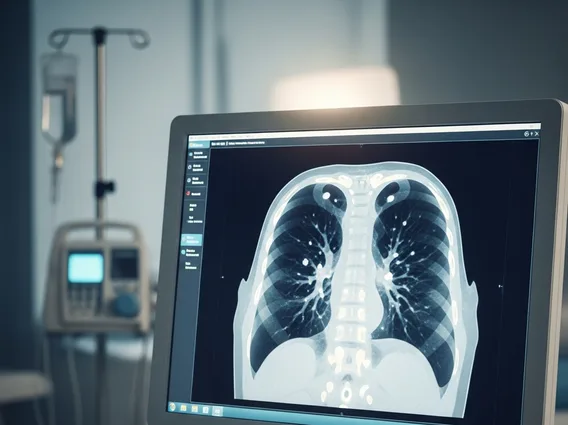
Any persistent, unexplained symptoms affecting the chest or abdomen deserve prompt medical evaluation, especially with a history of asbestos exposure. Symptoms such as a chronic cough, shortness of breath, chest pain, unexplained weight loss, or abdominal pain or swelling should not be ignored — while they can also point to less serious conditions, persistence or worsening over time warrants investigation. Diagnostic steps typically start with imaging such as a chest x-ray or CT scan, followed by a biopsy to confirm the diagnosis; how diagnosis and outlook connect to treatment planning is covered in more detail on their own pages.
Frequently Asked Questions
What is the most common early symptom of mesothelioma?
For pleural mesothelioma, the most common early symptoms are a persistent cough and shortness of breath, often along with chest pain. For peritoneal mesothelioma, early signs typically involve abdominal pain, swelling, and unexplained weight loss. Because these symptoms are non-specific, they are frequently mistaken for more common, benign conditions, which can delay diagnosis.
How quickly do mesothelioma symptoms develop after asbestos exposure?
Mesothelioma has an unusually long latency period: the National Cancer Institute’s window for an asbestos-related condition to produce symptoms runs from roughly a decade to four decades, occasionally more. That long delay can make it hard to connect current symptoms to a past exposure, so vigilance for persistent or unusual symptoms remains important even decades later.
Can mesothelioma symptoms be mistaken for other conditions?
Yes. Pleural mesothelioma symptoms such as cough, shortness of breath, and chest pain can resemble pneumonia, bronchitis, or a common cold. Peritoneal mesothelioma symptoms such as abdominal pain, swelling, and digestive changes can be mistaken for irritable bowel syndrome, hernias, or other gastrointestinal conditions, which is why a detailed medical history — including any asbestos exposure — helps guide an accurate diagnosis.
Sources