Isolated Lung Perfusion
Isolated Lung Perfusion (ILP) is an advanced medical technique used primarily in oncology to deliver high-dose chemotherapy directly to the lungs while minimizing systemic toxicity. This specialized procedure offers a targeted approach for treating certain lung malignancies.
Key Takeaways
- Isolated Lung Perfusion (ILP) is a highly specialized surgical procedure that delivers anti-cancer drugs directly to the lungs.
- It aims to maximize drug concentration in the diseased lung tissue while reducing systemic side effects.
- The procedure involves isolating the pulmonary circulation from the rest of the body, allowing for precise drug delivery.
- ILP is primarily used for treating specific lung cancers and metastases, particularly when conventional treatments are insufficient.
- Benefits include enhanced local tumor control and a potentially lower risk of severe systemic toxicity compared to standard chemotherapy.
What is Isolated Lung Perfusion (ILP)?
Isolated Lung Perfusion (ILP) is a complex surgical procedure designed to deliver high concentrations of anti-cancer agents directly to one or both lungs, while limiting their exposure to the rest of the body. This technique is primarily employed in the treatment of certain lung cancers and metastases that have spread to the lungs. The core principle involves temporarily isolating the pulmonary circulation from the systemic circulation, allowing for a concentrated dose of chemotherapy or other therapeutic agents to bathe the lung tissue. This targeted approach aims to maximize the therapeutic effect on cancerous cells within the lung while significantly reducing the systemic side effects typically associated with conventional chemotherapy. The procedure is often considered for patients with advanced, localized lung disease where other treatment options may be limited or have failed.
Isolated Lung Perfusion Procedure
The isolated lung perfusion procedure is a highly intricate surgical intervention requiring a multidisciplinary team. It typically involves several key stages:
- Surgical Access: The chest is opened to expose the lung(s) requiring treatment.
- Vascular Isolation: The blood vessels leading to and from the targeted lung (pulmonary artery and pulmonary veins) are carefully clamped. This crucial step ensures that the lung’s circulation is completely separated from the patient’s main circulatory system.
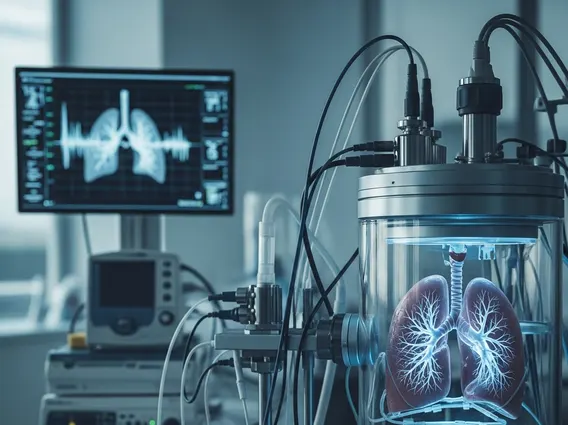
- Perfusion Circuit Connection: Cannulas are inserted into the isolated pulmonary artery and veins, connecting the lung to an external heart-lung machine (perfusion circuit). This machine oxygenates the blood and maintains its temperature.
- Drug Delivery: A heated solution containing the chemotherapeutic agent is then circulated through the isolated lung for a specific duration, typically 30 to 90 minutes. The heating of the perfusate (hyperthermia) can enhance the drug’s effectiveness against cancer cells.
- Washout and Reperfusion: After the perfusion period, the drug-laden perfusate is thoroughly flushed out of the lung to minimize any residual drug from entering the systemic circulation. Once the washout is complete, the clamps are removed, and normal blood flow to the lung is restored.
Throughout the procedure, vital signs are meticulously monitored, and specialized techniques are used to protect the lung tissue from potential damage.
Benefits and Medical Uses of Isolated Lung Perfusion
The primary benefits of isolated lung perfusion stem from its ability to deliver a highly concentrated dose of chemotherapy directly to the lung tumor while minimizing systemic exposure. This localized approach can lead to several advantages:
- Enhanced Local Tumor Control: By achieving significantly higher drug concentrations within the lung, ILP can more effectively target and destroy cancer cells compared to systemic administration, potentially leading to better local control of the disease.
- Reduced Systemic Toxicity: Limiting the chemotherapy to the lung significantly reduces the exposure of other vital organs (like bone marrow, kidneys, and gastrointestinal tract) to the toxic drugs. This can translate to fewer and less severe side effects, improving the patient’s quality of life during treatment.
- Treatment for Resistant Tumors: The high drug concentration and often hyperthermic conditions can sometimes overcome drug resistance in certain tumor types, offering a viable option when standard treatments have been ineffective.
The isolated lung perfusion medical uses are primarily in the field of oncology, particularly for:
- Lung Metastases: Treating cancers that have spread to the lungs from other primary sites, such as colorectal cancer, sarcoma, or melanoma.
- Primary Lung Cancers: In select cases, ILP may be considered for advanced primary lung cancers that are localized but difficult to treat with conventional surgery or radiation alone.
- Mesothelioma: This aggressive cancer affecting the lining of the lungs can sometimes be managed with ILP as part of a multimodal treatment strategy.
While ILP is a promising technique, it is a complex procedure with potential risks, and its application is carefully evaluated for each patient. Clinical studies have indicated encouraging results in selected patient populations, particularly for lung metastases from sarcomas and melanomas, demonstrating improved local control rates compared to systemic therapies alone. It is typically reserved for patients who are otherwise healthy enough to undergo major surgery and who have disease confined to the lungs.