
Irritable Colon
Irritable Colon is a common gastrointestinal disorder affecting millions worldwide. Understanding its nature and management is crucial for improving quality of life and alleviating discomfort.
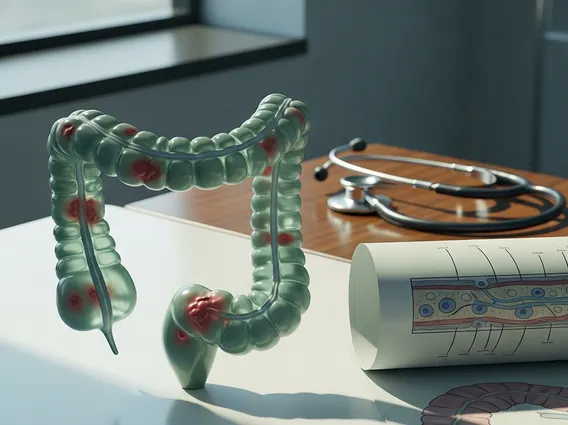
Key Takeaways
- Irritable Colon, also known as Irritable Bowel Syndrome (IBS), is a chronic disorder affecting the large intestine.
- Common symptoms include abdominal pain, bloating, gas, diarrhea, and constipation, often without visible damage to the gut.
- Its causes are complex, involving gut-brain axis dysfunction, gut motility issues, and sometimes post-infectious triggers.
- Management strategies primarily focus on lifestyle modifications, stress reduction, and dietary adjustments.
- A personalized diet, such as a low-FODMAP plan, can significantly help in achieving symptom relief.
What is Irritable Colon?
Irritable Colon refers to a chronic functional gastrointestinal disorder primarily affecting the large intestine. It is more commonly known as Irritable Bowel Syndrome (IBS), a condition characterized by a group of symptoms that typically occur together, including abdominal pain and changes in bowel movements without any visible signs of damage or disease in the digestive tract. This condition affects an estimated 10-15% of the global population, though many individuals remain undiagnosed (Source: International Foundation for Gastrointestinal Disorders – IFFGD).
The exact mechanisms behind what is irritable colon syndrome are not fully understood, but it is believed to involve a complex interplay of factors. These include abnormal muscle contractions in the colon, heightened sensitivity to pain signals from the gut, and disruptions in the gut-brain axis—the communication pathway between the brain and the digestive system. While not life-threatening, Irritable Colon can significantly impact a person’s daily life and overall well-being due to its persistent and often unpredictable symptoms.
Irritable Colon Symptoms and Causes
The manifestations of irritable colon symptoms and causes can vary widely among individuals, but common symptoms often include:
- Abdominal pain or cramping, often relieved by a bowel movement.
- Bloating and gas.
- Diarrhea (IBS-D), constipation (IBS-C), or alternating patterns of both (IBS-M).
- Changes in the appearance of stool.
- Mucus in the stool.
The precise causes of Irritable Colon are not entirely clear, but several factors are thought to contribute to its development. These include gut-brain axis dysfunction, where problems with the signals between the brain and the intestines can lead to symptoms. Motility issues, involving abnormal contractions of the intestinal muscles, can cause diarrhea or constipation. Additionally, visceral hypersensitivity means that nerves in the gut may become overly sensitive to normal stretching and movement, leading to pain. Other contributing factors can include post-infectious IBS, changes in gut microbiota, food sensitivities, and stress, which while not a direct cause, can exacerbate symptoms.
Managing Irritable Colon: Natural Treatments and Diet
Effective management of Irritable Colon often involves a multi-faceted approach, focusing on symptom relief and improving quality of life. Natural strategies for treating Irritable Colon can be highly beneficial, often starting with lifestyle modifications. Regular physical activity, adequate sleep, and stress reduction techniques such as meditation, yoga, or deep breathing exercises can significantly alleviate symptoms by calming the gut-brain axis.
A carefully managed diet for irritable colon relief is a cornerstone of treatment. Identifying and avoiding trigger foods is crucial. Many individuals find relief by following a low-FODMAP (Fermentable Oligosaccharides, Disaccharides, Monosaccharides, and Polyols) diet, which restricts certain carbohydrates that can be poorly absorbed and ferment in the gut, leading to gas and bloating. Working with a registered dietitian is highly recommended to ensure nutritional adequacy while implementing such restrictive diets. Other dietary considerations include:
- Increasing soluble fiber intake (e.g., from oats, psyllium) to help regulate bowel movements.
- Avoiding common irritants like caffeine, alcohol, and highly processed foods.
- Eating smaller, more frequent meals to reduce the burden on the digestive system.
- Ensuring adequate hydration throughout the day.
In addition to diet and lifestyle, some natural supplements have shown promise, such as peppermint oil, which can help relax intestinal muscles, and probiotics, which may help balance gut flora. However, it is essential to consult with a healthcare professional before starting any new supplements or making significant dietary changes. This information is for supportive purposes only and does not replace professional medical treatment or advice.



















