Iort
Iort, or Intraoperative Radiation Therapy, is a specialized form of radiation treatment delivered during surgery. This technique allows for a precise, high dose of radiation to be applied directly to the tumor bed or surrounding tissues immediately after tumor removal.
Key Takeaways
- Iort is a single, high-dose radiation treatment given during surgery.
- It targets the tumor bed directly after cancer removal, aiming to eliminate microscopic residual disease.
- Benefits include precise targeting, reduced treatment time, and protection of healthy surrounding tissues.
- Iort is used for various cancers, including breast, colorectal, and soft tissue sarcomas.
- This approach can significantly improve local tumor control and potentially reduce the need for weeks of external beam radiation.
What is IORT (Intraoperative Radiation Therapy)?
Iort (Intraoperative Radiation Therapy) is an advanced cancer treatment that involves delivering a concentrated dose of radiation directly to the tumor site during surgery. This unique timing allows oncologists to target cancerous cells with extreme precision immediately after the visible tumor has been surgically removed. The primary goal of Iort is to eradicate any microscopic cancer cells that might remain in the surgical area, thereby reducing the risk of local recurrence.
The **Iort definition** describes a technique where a single, high dose of radiation is administered while the patient is still under anesthesia and the surgical wound is open. This direct application ensures that the radiation reaches the target area without passing through healthy tissues and organs, which are typically retracted or shielded during the procedure. This method is particularly beneficial for tumors located deep within the body or those in close proximity to sensitive structures that would otherwise be exposed to radiation during conventional external beam radiation therapy (EBRT).
To **learn about Iort** fully, it’s important to understand its application across various cancer types. It has shown promise in treating certain early-stage breast cancers, colorectal cancers, soft tissue sarcomas, pancreatic cancer, and gynecological malignancies. The decision to use Iort is made by a multidisciplinary team of surgeons, radiation oncologists, and medical oncologists, considering the specific characteristics of the tumor and the patient’s overall health.
How IORT Works and Its Key Benefits
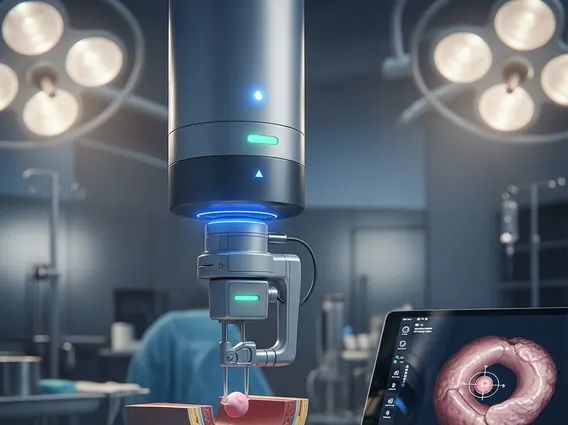
The mechanism of Iort involves a specialized radiation delivery system brought into the operating room. Once the surgeon has removed the primary tumor, the radiation oncologist positions a device, often an applicator or probe, directly onto the tumor bed. This allows for the precise delivery of a therapeutic dose of radiation to the area where the cancer was, or to tissues at high risk of harboring microscopic disease. The surrounding healthy tissues are carefully protected with shielding, minimizing their exposure to radiation.
When **Iort explained** in terms of its advantages, several key benefits emerge compared to traditional external beam radiation therapy. One significant advantage is the ability to deliver a higher, more potent dose of radiation directly to the target area in a single session. This can reduce the overall treatment time for patients, potentially eliminating the need for weeks of daily radiation treatments post-surgery. Furthermore, the direct visualization of the tumor bed during surgery ensures unparalleled accuracy in targeting, which is critical for maximizing efficacy and minimizing side effects.
Key benefits of Iort include:
- Enhanced Precision: Direct application to the tumor bed minimizes radiation exposure to healthy organs and tissues.
- Reduced Treatment Duration: A single, concentrated dose during surgery can replace weeks of conventional radiation.
- Maximized Dose Delivery: Higher doses can be safely delivered to the target area, potentially improving local control.
- Improved Local Control: Studies indicate that Iort can significantly reduce local recurrence rates in selected patients. For example, in certain early-stage breast cancers, IORT has been associated with local control rates comparable to or better than whole-breast external beam radiation therapy, with some studies reporting local recurrence rates as low as 1-3% at five years in carefully selected cases (Source: National Comprehensive Cancer Network, NCCN Guidelines).
- Convenience: Patients may avoid daily trips to a radiation center for several weeks, improving quality of life during recovery.
While Iort is a powerful tool in cancer treatment, it is not suitable for all patients or all cancer types. Its application is carefully considered based on tumor size, location, stage, and the patient’s overall health, ensuring that the benefits outweigh any potential risks.